
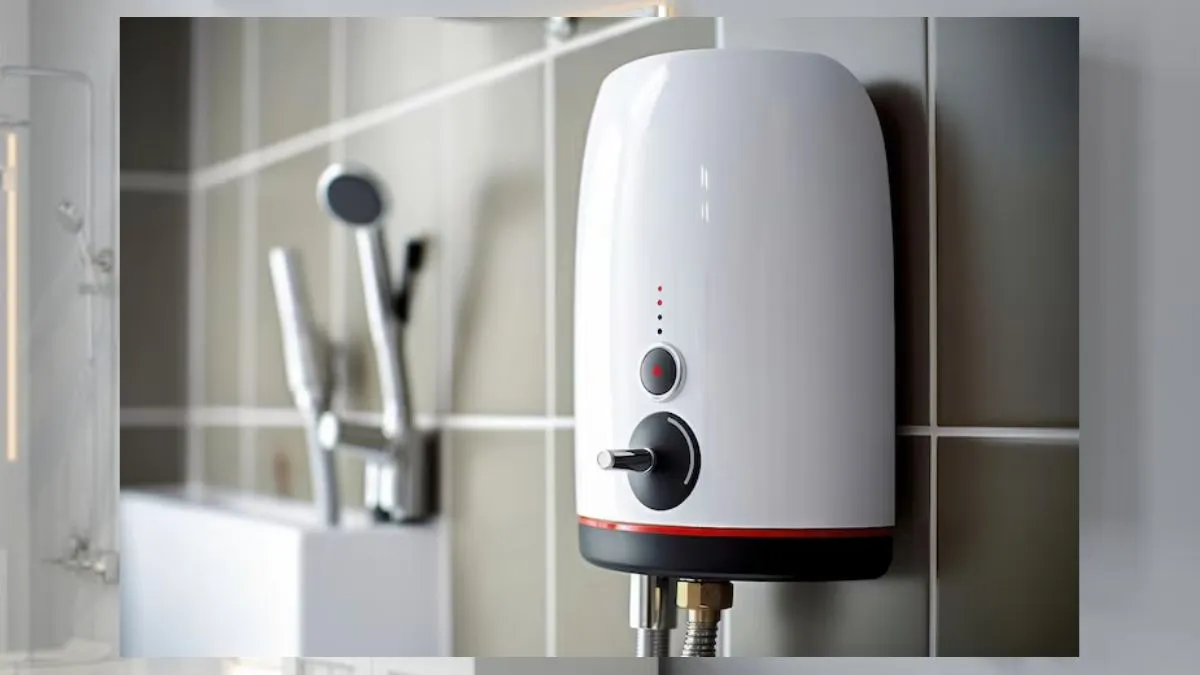

Winter electricity bills can rise as households use geysers and room heaters more frequently. However, adjusting appliance settings, reducing unnecessary operating hours and choosing energy-efficient equipment can help Indian families control electricity consumption without sacrificing everyday comfort.
Why Electricity Bills Increase During Winter
Electricity consumption often increases during winter because appliances such as water heaters, geysers and room heaters require substantial power to generate heat. Unlike smaller household devices, these appliances can consume several units of electricity when operated for extended periods.
A typical storage geyser may have a power rating of 2,000 to 3,000 watts, while many portable room heaters operate between 1,000 and 2,000 watts. Actual consumption depends on the appliance’s rating, operating duration, thermostat settings and usage patterns.
For example, a 2,000-watt room heater running continuously for three hours consumes approximately 6 units of electricity. If used every day for a month, that amounts to 180 units.
Similarly, a geyser used several times daily can contribute significantly to household electricity consumption.
The solution is not necessarily to stop using these appliances. Instead, households can make small changes to their daily routines and avoid unnecessary energy consumption.
1. Avoid Keeping the Geyser Switched On Throughout the Day
One of the most common mistakes households make during winter is leaving the geyser switched on for several hours, even when nobody needs hot water.
Storage geysers heat water to a selected temperature and automatically stop heating when the thermostat reaches its set point. However, the appliance may switch on again when the stored water loses heat.
This repeated heating can increase electricity consumption, particularly when hot water remains unused for long periods.
A practical approach is to switch on the geyser before bathing and turn it off once the required water is ready. The heating time depends on the tank capacity, initial water temperature and appliance specifications.
Families can also coordinate their bathing schedules so that multiple members use the heated water within a shorter period.
The Punjab State Power Corporation Limited also recommends that family members bathe in quick succession and switch off the geyser when it is no longer required.
2. Set the Geyser Temperature at an Appropriate Level
Geyser temperature settings directly influence electricity consumption.
Many storage water heaters have factory temperature settings around 60 degrees Celsius or higher. However, heating water beyond household requirements can increase energy use.
The Bureau of Energy Efficiency’s domestic energy conservation guidance explains that reducing a water heater’s temperature setting from 60 degrees Celsius to 50 degrees Celsius can save more than 18% of the energy used at the higher setting.
Households should consult their appliance manual before changing the thermostat.
It is also important not to reduce the temperature without considering hygiene and safety. Water stored at lower temperatures for extended periods can create conditions favourable to bacterial growth, including Legionella. Follow the manufacturer’s recommended storage temperature and any applicable hygiene guidance.
For households with children and elderly members, precautions against scalding are equally important.
3. Choose a Room Heater According to Room Size
Buying a room heater without considering the size of the room can lead to unnecessary electricity consumption.
A small room may not require a high-capacity heater, while a larger space may take considerably longer to become comfortable with an undersized appliance.
Before purchasing a room heater, consider the following:
- Room size and ceiling height.
- Insulation and the number of windows.
- Local winter temperatures.
- Heater wattage and thermostat features.
- Safety features such as tip-over protection and overheating protection.
For example, a 1,000-watt heater consumes one unit of electricity for every hour it operates continuously at full power. A 2,000-watt heater consumes two units in the same period.
Choosing an appropriately sized appliance can help households avoid paying for more heating capacity than they actually need.
4. Use Room Heaters Only When Required
Running a room heater throughout the day can significantly increase electricity consumption.
Instead of keeping it switched on continuously, households can use it during periods when indoor temperatures become uncomfortable.
For instance, a family may use a heater for a short period before bedtime or while working in a particular room.
Modern heaters with adjustable thermostats can help maintain a comfortable temperature without operating continuously at full power. However, actual energy savings depend on the room’s insulation, temperature setting and appliance design.
Another practical option is to heat only the room currently being occupied rather than attempting to warm the entire house.
Keeping doors closed while heating a room can also reduce the movement of warm air into colder areas.
5. Improve Room Insulation to Retain Heat
Room insulation is an important factor in reducing electricity consumption during winter.
When warm air escapes through windows, doors and other gaps, room heaters need to operate longer to maintain the desired temperature.
Households can reduce heat loss through simple measures:
- Use thick curtains to reduce heat loss through windows.
- Close doors and windows properly.
- Seal noticeable gaps around window frames and doors.
- Use door draft stoppers where cold air enters.
- Keep unused rooms closed to retain warmth in occupied spaces.
These measures are particularly useful in apartments and independent houses where poorly sealed windows can allow cold air to enter.
In cities such as Nagpur, Pune, Nashik and Indore, where winter temperatures can fall considerably at night, simple insulation improvements may reduce the need for prolonged heater use.
6. Check the BEE Star Rating Before Buying Appliances
Energy efficiency should be an important consideration when purchasing a new geyser.
The Bureau of Energy Efficiency (BEE) operates India’s Standards and Labelling Programme, which helps consumers identify appliances based on their energy performance.
For eligible storage-type electric water heaters, star ratings provide information about energy efficiency. A higher star rating generally indicates better energy performance under the applicable testing conditions.
Before purchasing a geyser, consumers should compare:
- BEE star ratings.
- Storage capacity.
- Standing heat loss.
- Power consumption.
- Warranty and maintenance requirements.
A five-star-rated model may cost more initially, but its improved efficiency can help reduce electricity consumption over its operating life.
Consumers should compare the actual energy information on product labels rather than choosing an appliance based only on its purchase price.
7. Maintain Geysers and Room Heaters Regularly
Poor maintenance can affect appliance performance and increase operating costs.
In areas with hard water, mineral deposits can accumulate inside geyser tanks and around heating elements. Over time, these deposits may affect heating performance.
Regular inspection and servicing can help identify problems before they become expensive repairs.
Important maintenance practices include:
- Get the geyser inspected according to the manufacturer’s recommendations.
- Check for water leakage around the tank and connecting pipes.
- Have heating elements inspected when heating becomes unusually slow.
- Check thermostat functioning.
- Keep room heater air vents free from dust.
- Inspect electrical cords and plugs for damage.
Any internal cleaning, electrical repair or component replacement should be handled by a qualified technician.
8. Use Less Hot Water During Daily Activities
The amount of water heated also affects electricity consumption.
A geyser requires energy to raise water temperature. Heating more water than necessary increases the energy required for the task.
Households can reduce unnecessary hot water consumption through simple habits.
For example, using a bucket instead of a long hot shower can help control water usage. Hot water can also be reserved for bathing and other activities where it is genuinely needed.
Avoid using hot water for tasks such as washing hands or cleaning utensils when ordinary water is sufficient.
Fix dripping hot water taps promptly because leaking heated water is eventually replaced by colder water that may need to be heated again.
These small changes can make a difference over an entire winter season.
9. Calculate Electricity Consumption Before the Bill Arrives
Understanding appliance wattage can help households estimate their monthly electricity consumption.
The basic formula is:
Electricity Consumption (Units) = Power Rating (kW) × Operating Hours
One electricity unit is equal to one kilowatt-hour (kWh).
Consider a household using a 2,000-watt room heater for three hours daily.
- Appliance power: 2,000 watts or 2 kW.
- Daily operating time: 3 hours.
- Daily consumption: 6 units.
- Monthly consumption for 30 days: 180 units.
Now consider a 2,000-watt geyser operating for 30 minutes daily.
- Appliance power: 2 kW.
- Daily operating time: 0.5 hours.
- Daily consumption: 1 unit.
- Monthly consumption for 30 days: 30 units.
Together, these two appliances would consume approximately 210 units in a month under these assumptions.
The actual consumption may differ because thermostats can switch heating elements on and off, and appliances do not necessarily operate at full rated power throughout their usage period.
Consumers can multiply their estimated consumption by the applicable electricity tariff to understand the approximate additional cost.
10. Follow Electrical Safety Measures While Saving Electricity
Reducing electricity bills should never come at the expense of household safety.
Room heaters and geysers are high-power appliances and require appropriate electrical connections.
Some important precautions include:
- Avoid connecting high-power heaters to ordinary extension boards or overloaded sockets.
- Use properly rated electrical outlets and wiring.
- Keep portable room heaters away from curtains, bedsheets, furniture and other combustible materials.
- Never cover a running room heater.
- Do not leave portable heaters operating unattended.
- Keep water away from electrical switches and heater connections.
- Ensure geysers have appropriate earthing and protective electrical devices installed.
- Switch off appliances before cleaning or inspecting them.
Families should also avoid using damaged electrical cords or appliances that repeatedly trip circuit breakers.
If a geyser or heater produces unusual smells, sparks or excessive heat, discontinue its use and contact a qualified electrician or service professional.
Simple Winter Electricity-Saving Habits for Indian Households
Reducing winter electricity bills does not always require expensive appliances or major home renovations. A combination of efficient appliance usage and sensible household habits can help manage consumption.
Families can prepare a simple daily routine:
Morning: Switch on the geyser shortly before bathing, coordinate family bathing schedules and turn it off after use.
Afternoon: Make use of natural sunlight to warm indoor spaces. Keep curtains open when sunlight enters the room.
Evening: Use room heaters only in occupied spaces and close doors and windows to retain warmth.
Night: Wear comfortable winter clothing, use blankets and avoid keeping heaters running unnecessarily.
Monthly: Check electricity bills, compare consumption with previous months and inspect appliances for maintenance requirements.
These steps can help households identify which appliances are contributing most to their electricity expenses.
Key Takeaways
- Avoid leaving geysers switched on throughout the day. Heat water according to household requirements.
- Choose room heaters with appropriate wattage and use thermostat controls to manage electricity consumption.
- Improve room insulation through curtains, sealed windows and closed doors to retain indoor warmth.
- Compare BEE-rated appliances, maintain electrical equipment regularly and follow essential safety precautions.
Frequently Asked Questions
1. How can I reduce my geyser electricity bill during winter?
Switch on the geyser only when hot water is required, coordinate bathing schedules, use an appropriate thermostat setting and maintain the appliance regularly. Avoid unnecessary heating throughout the day.
2. Does a 2,000-watt room heater consume a lot of electricity?
A 2,000-watt room heater consumes approximately two electricity units per hour when operating continuously at full power. Actual consumption depends on thermostat operation and usage conditions.
3. Is it cheaper to use a geyser for a short time or leave it switched on?
Using a storage geyser according to a planned schedule can reduce unnecessary reheating and standby heat losses. The actual savings depend on the tank’s insulation, frequency of use and household hot water requirements.
4. Which geyser is better for reducing electricity bills?
A properly sized, energy-efficient storage geyser with a higher applicable BEE star rating can help reduce electricity consumption. Consumers should compare capacity, efficiency labels and energy performance before purchasing.
(Internal keywords: how to reduce winter electricity bills, geyser electricity saving tips, room heater electricity consumption, winter energy saving tips India, reduce electricity bill at home, BEE star rating geyser, energy efficient room heaters, geyser power consumption, household electricity saving tips, winter appliance safety)