
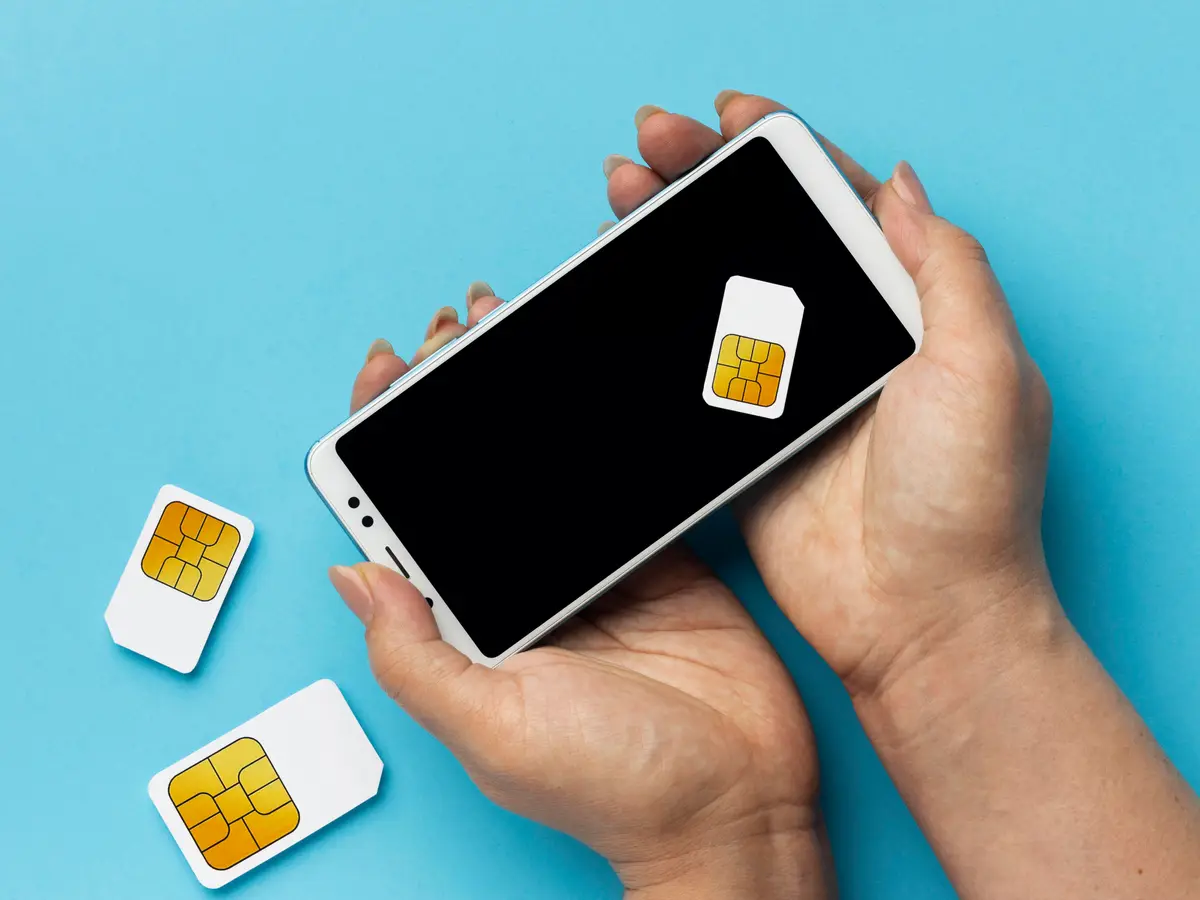

India’s new SIM-binding rules could change how people access WhatsApp, Telegram and other messaging apps from January 2027. The Department of Telecommunications has set 31 December 2026 as the compliance deadline, aiming to curb cyber fraud and misuse of Indian mobile numbers.
What Are India’s New SIM-Binding Rules?
India’s SIM-binding rules require covered messaging platforms to maintain a continuous link between their services and the active SIM card associated with the mobile number used to identify or register a user. The Department of Telecommunications introduced the directions to address security gaps that could allow accounts to operate without the associated SIM being present in the device.
According to the government, this gap has created opportunities for cybercriminals, including individuals operating from outside India, to misuse Indian mobile numbers for fraudulent activities. The directions were issued on 28 November 2025 under the Telecom Cyber Security Rules, 2024.
The government initially provided a 90-day compliance period. However, the deadline was subsequently extended to 31 December 2026 following concerns about technical implementation across different mobile operating systems and devices.
As a result, 1 January 2027 is being reported as the expected start of implementation. However, the deadline for platforms to comply should not be confused with a confirmed date on which every individual account will stop working.
Which Messaging Apps Will Be Affected by SIM Binding?
The Department of Telecommunications named eight communication platforms in its original directions. These include WhatsApp, Telegram, Signal, Snapchat, Arattai, ShareChat, Josh and JioChat.
The requirements apply to services that use Indian mobile numbers to identify users or provide their services. Each covered platform will need to implement the necessary technical measures to maintain the required SIM association.
WhatsApp is likely to attract particular attention because it is widely used for personal communication, business enquiries, customer support, school groups and community announcements. Telegram is also used for group communication, information sharing and public channels.
For users in Tier-2 and Tier-3 cities, these platforms often serve as everyday tools for coordinating work, sharing local updates and communicating with customers.
The precise user experience may differ between applications because their technical systems and supported devices are not identical. Users should therefore look for instructions from the individual platforms rather than assume that all applications will introduce the same verification process.
How Could the WhatsApp SIM-Binding Rule Affect Users?
The proposed change could matter most to people who use WhatsApp on a phone that does not contain the SIM associated with their registered number.
Currently, WhatsApp supports linked devices, allowing users to access their accounts on compatible computers and other devices. Under the SIM-binding requirement, the relationship between the registered number, the active SIM and the application will need to satisfy the government’s directions.
For example, someone who registers WhatsApp using one number and later removes that SIM from the phone could face access difficulties if the application requires the associated SIM to remain present and active.
Similarly, users who change phones, keep a secondary handset for messaging or rely on Wi-Fi-only devices may need to review how they access their accounts.
However, this does not automatically mean that everyone who uses WhatsApp on multiple devices will lose access. The practical outcome will depend on how the platform implements the requirement and how its linked-device features interact with the new checks.
Users should wait for clear, official instructions from WhatsApp before making unnecessary changes to their devices or accounts.
What Will the New Rules Mean for Telegram Users?
Telegram users could also be affected because the application is among the platforms named in the government’s directions.
Some users access Telegram through computers, tablets or secondary phones. Others use it to follow public channels, participate in community groups or manage business communication. If an account is required to maintain a continuous link with its registered active SIM, certain device configurations may require additional verification or changes.
The impact could be particularly relevant to people who have registered accounts using Indian mobile numbers but no longer keep the associated SIM in their primary device.
Nevertheless, the rules do not establish that every Telegram feature will be withdrawn or that all accounts will be blocked automatically on a particular date. The confirmed requirement concerns the connection between the communication service and the registered active SIM.
Users should also distinguish official Telegram applications from unofficial clients. The behaviour and compatibility of third-party applications may differ, so relying on an unofficial application could introduce additional uncertainty.
Will WhatsApp Web Log Users Out Every Six Hours?
The original SIM-binding directions included a requirement for periodic logout and re-linking on web-based access. This raised concerns among people who keep WhatsApp Web open throughout the working day.
However, subsequent reporting on the government’s revised position clarified that the fixed six-hour logout requirement was replaced with a risk-based approach. The Department of Telecommunications did not prescribe a specific logout interval in that clarification.
This distinction is important for office employees, freelancers, small businesses and customer support teams that rely on browser-based messaging.
A risk-based approach means that access controls can be applied according to assessed risks rather than a universal six-hour timer. The exact operational details will depend on the applicable directions and how platforms implement them.
Therefore, users should not assume that WhatsApp Web will necessarily log out every six hours from January 2027. They should follow the latest platform guidance and ensure that their linked devices are recognised and secure.
Why Has the Government Introduced SIM Binding?
The government’s stated objective is to reduce cybercrime involving the misuse of Indian telecom identifiers.
Fraudsters can use messaging applications to impersonate officials, approach victims with fraudulent investment opportunities, conduct phishing attempts and carry out other scams. If an account can continue operating without the associated SIM being present, investigators may face additional challenges when tracing the misuse of a registered mobile number.
SIM binding is intended to strengthen the connection between a user’s registered number and the device running the communication service.
The measure forms part of a broader effort to improve telecom cybersecurity. It does not, however, guarantee that messaging fraud will disappear. Criminals can still attempt scams through compromised accounts, deceptive links, social engineering and other methods.
Users will continue to need strong account security, caution when dealing with unknown contacts and appropriate verification before sending money or sharing confidential information.
What Should WhatsApp and Telegram Users Do Before 2027?
Users do not need to panic or immediately replace their phones. A few practical checks can help them prepare for any changes introduced by the platforms.
First, confirm that the mobile number registered with the messaging application is still active and under your control. If the number has been disconnected or permanently surrendered, check the platform’s official account recovery or number-change procedure.
Second, review linked devices and remove sessions that you no longer recognise or use. This is useful for security regardless of the new rules.
Third, if you use WhatsApp or Telegram on a secondary phone, tablet or computer, monitor official announcements about compatibility and verification requirements.
Fourth, avoid deleting your account or reinstalling an application simply because of unverified social media posts. Such actions may create unnecessary disruption and could complicate account recovery.
Finally, remember that SIM binding is a platform compliance requirement. The December 2026 deadline does not itself establish that every user will face an immediate account suspension on 1 January 2027.
What Could the Rules Mean for Small Businesses?
Small businesses frequently use WhatsApp and Telegram to communicate with customers, coordinate deliveries, share product information and manage enquiries. Retailers, coaching centres, service providers and home-based businesses may also operate messaging accounts across multiple devices.
For these users, an unexpected access issue could interrupt routine operations. Businesses should review which mobile number is linked to each account, who controls the associated SIM and whether the account depends on a device that may no longer meet the platform’s requirements.
Businesses should also maintain updated customer records where appropriate and avoid depending entirely on one messaging channel for critical communication.
For example, a local retailer could retain a verified business phone number and provide an alternative contact method, such as email or a telephone line. This would help maintain customer access if a messaging account temporarily requires verification.
The final impact will depend on platform implementation. Businesses should base their preparations on official technical guidance rather than assumptions about how the rules will operate.
Key Takeaways
- The Department of Telecommunications has set 31 December 2026 as the SIM-binding compliance deadline for the covered messaging platforms.
- WhatsApp, Telegram, Signal, Snapchat, Arattai, ShareChat, Josh and JioChat were named in the original directions.
- Users who rely on secondary devices or keep their registered SIM in another phone should monitor official platform guidance.
- The earlier fixed six-hour web logout proposal was revised to a risk-based approach, and the rules do not establish an automatic shutdown of all accounts on 1 January 2027.
Frequently Asked Questions
1. When will WhatsApp SIM-binding rules take effect in India?
The compliance deadline for covered platforms is 31 December 2026. Implementation from 1 January 2027 is being reported as the expected timeline, but users should follow official platform announcements for operational details.
2. Will WhatsApp stop working if the registered SIM is removed?
The requirement is intended to keep the application linked to the associated active SIM. Removing that SIM could affect access, depending on the platform’s implementation. Users should wait for official instructions before assuming their accounts will stop working.
3. Will Telegram and Signal also be affected?
Yes. Telegram and Signal were among the communication platforms named in the original government directions, alongside WhatsApp and several other services.
4. Will WhatsApp Web automatically log out every six hours?
The government revised the original fixed six-hour logout provision in favour of a risk-based approach, with no specific logout interval prescribed in the subsequent clarification. Users should check for updated instructions from WhatsApp.