
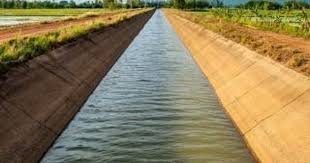

Latur is facing growing water scarcity concerns as the Manjara Dam’s live water storage has fallen to approximately 4% of its capacity in November 2026. Below-average rainfall, declining groundwater levels and limited reservoir inflows have raised concerns about drinking water supplies, agriculture and the region’s preparedness for the coming summer.
Manjara Dam Water Level Falls to 4.46% in November 2026
The Manjara Dam water crisis has become a major concern for Latur and surrounding areas as the reservoir approaches critically low storage levels. According to water-level data reported for November 25, 2026, the dam held approximately 4.46% of its live storage capacity.
The reservoir had around 7,890 million litres of usable water against its designed live storage capacity of approximately 176,916 million litres. This represents a substantial decline compared with the same period last year, when the reservoir was reported to be almost completely full.
A report published by PTI on November 11 also highlighted the declining water situation. At that time, the dam had only 5.06% live storage, equivalent to 8.953 million cubic metres against its designed capacity of 176.963 million cubic metres.
The declining figures indicate that the region is entering the post-monsoon period with significantly less water than it had during the previous year. The situation has increased concerns about how the available supply will be managed during the summer months.
It is important to note that the Manjara Dam is located in the Kaij area of Beed district, but it serves as an important water source for Latur and surrounding settlements. Beed+1
Below-Average Rainfall Adds to Latur’s Water Shortage
One of the major reasons behind the declining reservoir levels is insufficient rainfall during the 2026 monsoon season.
According to information shared during a review meeting by the Maharashtra Governor’s office on November 19, Latur district received only 51.2% of its annual average rainfall this year.
The rainfall shortage has affected the replenishment of reservoirs, rivers, local water projects and groundwater sources. Without sufficient rainfall in the catchment areas, the Manjara reservoir has struggled to receive fresh inflows.
The situation is not limited to one dam. According to the same government update, only 10.10% live storage remained across Latur district’s 142 water projects. The available water in these projects had been reserved exclusively for drinking purposes.
Declining groundwater levels have added another challenge for rural communities and farmers who depend on wells and borewells.
The combination of inadequate rainfall, reduced reservoir storage and falling groundwater levels has made water management a major administrative concern in the district. India+1
Maharashtra Declares Drought in All Ten Latur Talukas
The water shortage has also become part of a wider drought-related situation in Maharashtra’s Marathwada region.
According to the Maharashtra Governor’s office, the state government has declared drought in all ten talukas of Latur district and extended various relief measures.
The declaration reflects the impact of deficient rainfall on agriculture, drinking water availability and rural livelihoods.
For many villages, groundwater is an important source of drinking water and irrigation. When groundwater levels decline, households may face longer distances to access water, while farmers experience difficulties maintaining crops and livestock.
The district administration has undertaken micro-level planning for both urban and rural areas to manage the available water resources.
The focus is on protecting drinking water supplies, identifying vulnerable locations and planning measures to address shortages before the summer season.
The situation also highlights the importance of coordinating water distribution between urban centres, rural settlements and agricultural areas.
Although drought declarations allow authorities to implement relief measures, the actual impact will depend on the timely execution of water supply arrangements and the availability of additional resources. India+1
Latur Administration Reviews Drinking Water Management
With the Manjara reservoir holding very little usable water, local authorities have started focusing on conservation and reducing losses in the existing water supply network.
According to a report published by Marathi news outlet Punyanagari on November 15, Latur District Collector Dr Bharat Basvewad reviewed the city’s water supply arrangements and directed officials to take measures to prevent wastage.
The reported instructions included:
- Creating a dedicated war room to monitor the city’s water situation.
- Reducing water leakage across the municipal supply network.
- Encouraging residents to install taps on household water connections.
- Creating awareness about responsible water consumption.
- Reviewing water supply timings to manage the available stock.
The administration’s focus is on ensuring that the remaining usable water is managed carefully.
Water leakage is particularly important in a situation where reservoir storage is already critically low. Even small losses across pipelines and distribution networks can affect the quantity of water reaching households.
The city administration also needs to monitor the condition of major pipelines and distribution infrastructure to prevent avoidable losses.
These measures are intended to improve water management rather than increase the reservoir’s available storage. Fresh rainfall and additional water resources will remain important for improving the overall situation. Punyanagari+1
Water Supply to Industries Raises Questions Amid Scarcity
The declining water levels have also triggered discussions about how the available supply should be distributed between households, agriculture and industrial users.
On November 22, BJP leader Shivajirao Patil Kavhekar demanded that water supply from the Manjara Dam to industries and sugar factories be stopped during the shortage.
He argued that drinking water requirements in urban and rural areas should receive priority when reservoir levels are critically low.
Kavhekar raised the issue after a delegation from the Jan Nayak Sanghatana submitted a memorandum to Additional Collector Shilpa Karmarkar and Resident Deputy Collector Keshav Netke.
He also called for the faster implementation of the proposed ₹24,000-crore Marathwada Water Grid project, which is intended to connect major reservoirs, including Manjara and Jayakwadi.
The demand has brought attention to the difficult decisions authorities may face when managing limited water resources.
However, the demand to stop industrial supply is a political leader’s position, not confirmation of a government order. Any changes in industrial water allocation would depend on decisions by the competent authorities.
The broader issue is how the administration can balance drinking water requirements, agricultural needs and industrial activity without creating further pressure on an already limited supply. The Week+1
What the Water Crisis Means for Farmers in Latur
Agriculture is among the sectors most affected by prolonged water shortages in Marathwada.
Farmers depend on monsoon rainfall, reservoirs, wells and borewells to maintain agricultural activities. When rainfall remains below average, crop growth and irrigation planning become more difficult.
The declining Manjara Dam storage also raises concerns for agricultural communities that depend on connected water resources.
Reduced water availability can affect crop choices, irrigation schedules and the ability to maintain orchards. Farmers cultivating water-intensive crops may face additional difficulties if groundwater and surface water supplies remain limited.
During the November 19 review, the Maharashtra Governor advised the district administration to encourage farmers to adopt less water-intensive cropping patterns.
The administration was also advised to promote micro-irrigation systems and groundwater recharge measures.
Micro-irrigation methods such as drip irrigation can help farmers deliver water closer to plant roots and reduce unnecessary consumption compared with conventional irrigation practices.
However, these methods require investment, access to equipment and awareness among farmers. Financial support and timely implementation will be important for farmers who want to adopt them.
The water crisis also underlines the importance of choosing crops according to local rainfall patterns and available water resources rather than depending entirely on seasonal expectations. India+1
Marathwada Water Grid Project: Can It Address Long-Term Water Shortages?
The proposed Marathwada Water Grid project has returned to public discussion as Latur faces declining reservoir levels.
The project is intended to connect major water reservoirs across the region, including Jayakwadi and Manjara, through an interconnected water distribution network.
The objective is to improve the movement and management of available water resources across areas that experience uneven rainfall and recurring shortages.
Shivajirao Patil Kavhekar has demanded faster implementation of the proposed ₹24,000-crore project, describing it as an important long-term solution for the region.
However, infrastructure projects of this scale require planning, funding, technical approvals, construction and coordination between different administrative authorities.
A water grid may help redistribute available supplies, but it cannot independently solve a shortage if the connected reservoirs themselves do not receive sufficient inflows.
This distinction is important for understanding the region’s water challenges. Better distribution infrastructure can improve access, but long-term water security also depends on rainfall management, groundwater recharge, conservation and responsible consumption.
The current Manjara situation demonstrates why the region needs both immediate water management measures and long-term infrastructure planning. The Week+1
Summer 2027 Water Crisis: What Latur Residents Should Expect
The biggest concern surrounding the Manjara Dam’s declining storage is the possibility of increased pressure on water supplies during summer 2027.
November is generally a post-monsoon period when reservoirs are expected to retain water collected during the rainy season. When storage is already close to 4%, the available supply must be managed carefully through the remaining dry months.
For Latur residents, the actual impact will depend on several factors:
Drinking water distribution: Authorities may need to review supply schedules and distribution arrangements to ensure that available water reaches households.
Groundwater availability: Falling groundwater levels could increase dependence on alternative water sources, particularly in rural areas.
Water transportation: If local sources become insufficient, authorities may need to consider additional supply arrangements for vulnerable settlements.
Agricultural requirements: Farmers may face greater pressure to conserve water and adjust irrigation practices.
Pipeline maintenance: Preventing leakage and reducing distribution losses will become increasingly important.
At present, the available reports establish the seriousness of the storage shortage but do not confirm a specific citywide water-rationing schedule for summer 2027.
Residents should therefore follow official announcements from the Latur Municipal Corporation and district administration rather than rely on unverified claims about future supply cuts.
The administration’s ability to conserve existing supplies, arrange alternative resources and improve distribution will influence how the situation develops over the coming months.
What Residents Can Do to Save Water
While government departments work on managing the shortage, households can also reduce unnecessary water consumption.
Some practical steps include:
- Repair leaking taps, pipes and household connections immediately.
- Avoid washing vehicles and outdoor spaces with running water.
- Reuse water from household activities wherever it is safe and appropriate.
- Store drinking water carefully and avoid unnecessary wastage.
- Use water-efficient appliances and fixtures.
- Follow official water supply schedules and conservation instructions.
In rural areas, communities can also support rainwater harvesting, groundwater recharge and maintenance of local water storage structures.
Individual conservation may not solve a regional shortage, but collective efforts can help reduce pressure on available resources.
Key Takeaways
- Manjara Dam’s live storage fell to approximately 4.46% on November 25, 2026.
- Latur district received only 51.2% of its annual average rainfall, according to the Maharashtra Governor’s office.
- All ten talukas of Latur district have been declared drought-affected, with relief measures announced.
- The administration is focusing on water conservation, groundwater recharge, reduced leakage and long-term water infrastructure.
Frequently Asked Questions (FAQs)
1. What is the current water storage level of Manjara Dam?
Manjara Dam had approximately 4.46% live storage as of November 25, 2026, according to reported Maharashtra Water Resources Department data.
2. Why is Latur facing a water crisis in 2026?
The shortage is mainly linked to below-average monsoon rainfall, declining groundwater levels and insufficient fresh inflows into reservoirs. Latur district received only 51.2% of its annual average rainfall this year.
3. Has the Maharashtra government declared drought in Latur district?
Yes. According to the Maharashtra Governor’s office, the state government has declared drought in all ten talukas of Latur district and extended various relief measures.
4. Will Latur face water cuts in summer 2027?
The possibility of increased water supply pressure remains a concern because of critically low reservoir storage. However, no confirmed citywide summer 2027 water-cut schedule has been established in the reports cited here. Residents should follow official municipal announcements.