

Setting up a home weather alert system using IMD alerts has become a priority for families who want timely updates during extreme rain, heatwaves and storms. A simple setup can deliver accurate warnings directly to phones or home devices, making it easier to prepare for rapid weather changes.
Understanding how IMD alerts work and why home systems matter
This is an evergreen informational topic because IMD issues structured weather bulletins throughout the year. The main keyword setting up a home weather alert system fits naturally here since IMD uses real time forecasting models to send district specific alerts. These alerts help households prepare for heavy rainfall, lightning, cold waves or heatwaves. Regional alerts often update multiple times a day, which means relying on news broadcasts alone may cause delays. A dedicated home alert setup ensures instant delivery of important warnings. Many users think weather systems require expensive equipment, but most reliable solutions use free IMD data combined with simple apps or device integrations.
Choosing reliable IMD sources and using secondary alert tools
The first step is selecting the official alert channels. The IMD website and its mobile app provide district wise warnings, color coded alerts and nowcast messages for short term conditions. The secondary keyword IMD weather alerts aligns with this section because these official bulletins form the foundation of any home alert system. For users who want more automation, secondary tools like SMS alerts, third party weather apps and smart assistant integrations help distribute IMD data across home devices. These tools do not replace IMD but enhance visibility. Different family members can receive the same alert on individual devices, reducing dependence on a single phone. When setting up external apps, users must ensure that the app fetches data from IMD or other scientifically validated sources.
Setting up phone based notifications for real time monitoring
Phone alerts are the simplest and most effective method to start. Begin by installing the IMD mobile app and allowing notifications. Enable district selection to receive accurate warnings based on location. Users should also activate location based alerts on their phones to receive nowcast messages during sudden weather changes. With secondary keyword weather monitoring included naturally, phone based systems become the primary layer of defence. Users can also subscribe to regional disaster management alert services offered by state authorities. These services send SMS alerts for conditions like heavy rainfall or thunderstorms. Phone alerts are essential because they work even when users are away from home and require no additional hardware.
Integrating smart home devices for multi channel weather alerts
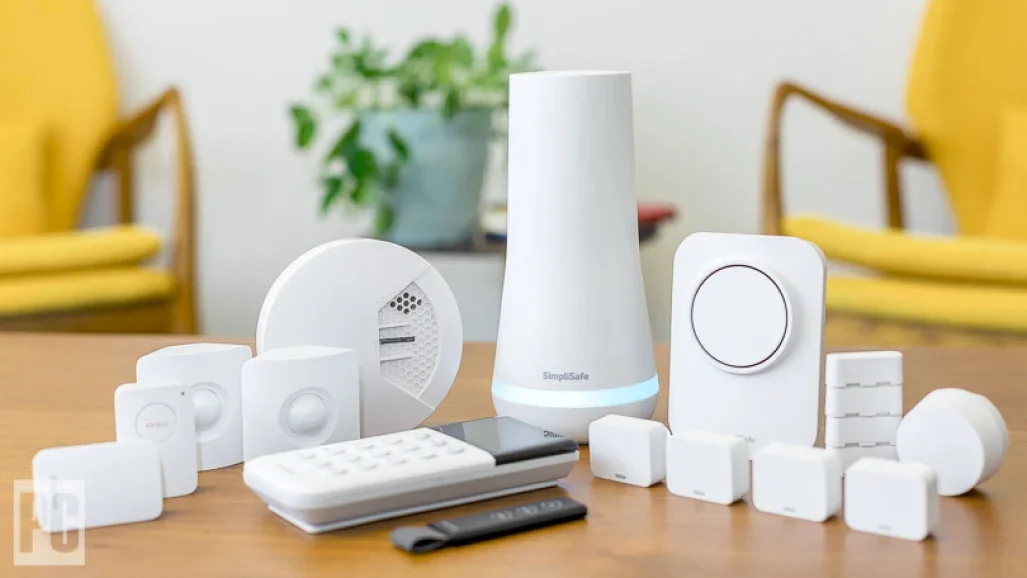
Smart home devices improve accessibility, especially for multi person households. Integrating IMD alerts with voice assistants such as Alexa or Google based devices allows spoken warnings and routine based briefings. Users can set daily weather summaries every morning or request alerts during high risk periods. Smart displays can show real time radar maps or temperature updates pulled from reliable data sources. For DIY setups, users can connect weather apps to smart bulbs or sirens that activate during red or orange alert conditions. Simple triggers like flashing lights or sound cues work well for elderly family members who may not check phones frequently. These integrations strengthen the secondary keyword home weather monitoring since alerts become visible across household spaces.
Creating a layered alert strategy and testing reliability
A good weather alert system uses multiple layers rather than relying on one device. The ideal setup includes IMD app notifications, SMS backups, smart assistant briefings and optional visual cues. Users must test each component to ensure alerts trigger correctly. For example, verify that phone notifications appear instantly, check whether smart devices announce warnings at set times and confirm that location based services are active. Reliability testing is crucial because weather alerts are time sensitive. If one alert method fails, another fills the gap. Families living in flood prone or storm sensitive regions should consider adding basic hardware like battery powered radios that work during power failures. While advanced equipment is optional, consistency across multiple alert channels ensures better preparedness.
Establishing household response plans based on alert categories
Understanding IMD alert categories helps families respond appropriately. Green indicates normal conditions, yellow signals potential impact, orange indicates action required and red signals severe danger. Households should prepare simple response checklists matched to these alert levels. For example, during orange alerts families can secure outdoor items, charge devices and avoid unnecessary travel. Red alerts require stronger precautions like staying indoors and monitoring updates frequently. Aligning household actions with IMD’s structured alert system enhances safety and reduces confusion. Teaching family members how each alert level works ensures everyone knows what to do when a warning arrives.
Takeaways
IMD alerts provide reliable district wise warnings for home safety.
Using multiple devices ensures stronger and more visible weather monitoring.
Smart home integrations improve accessibility for all family members.
Testing alert channels regularly keeps the system dependable.
FAQs
Do I need special hardware to set up a home weather alert system?
No. Phones, apps and basic smart devices are enough for most households. Hardware becomes optional for advanced monitoring.
How accurate are IMD alerts for daily use?
IMD alerts follow scientific forecasting models and provide timely warnings for rainfall, storms and temperature changes. They are reliable for home preparedness.
Can smart home devices read out weather alerts automatically?
Yes. Many assistants can read summaries, announce warnings and trigger routines connected to weather apps.
How often should I check if my alert system is working?
A quick weekly test ensures notifications, routines and device triggers function properly during critical weather events.