
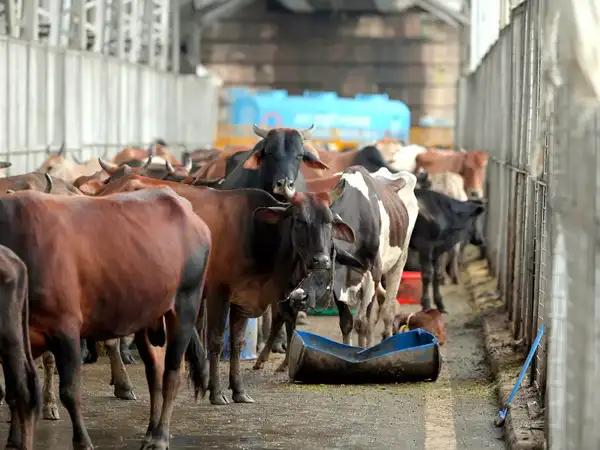

Cow shelter CCTV rollout in rural Uttar Pradesh is reshaping how safety, monitoring, and local governance function at the village level. The initiative focuses on improving transparency in gaushala operations, preventing neglect, and strengthening administrative oversight in districts with high cattle shelter density.
This topic is time sensitive and news driven. The tone remains factual and policy oriented, focusing on current implementation and immediate governance impact.
Why Cow Shelter Monitoring Became a Governance Priority
Uttar Pradesh has thousands of cow shelters established to manage stray cattle and reduce crop damage. Over time, concerns emerged around shelter conditions, misuse of funds, cattle mortality, and lack of real-time supervision. Many shelters are located in rural areas where administrative visits are infrequent and record keeping is weak.
Complaints from villagers and animal welfare groups highlighted gaps in accountability. Issues such as inadequate fodder supply, overcrowding, and delayed veterinary care often surfaced after damage had already occurred. The CCTV rollout is a direct response to these systemic weaknesses.
By introducing continuous visual monitoring, the state aims to move from reactive inspections to preventive governance, where problems are identified early rather than after public outcry.
How the CCTV Rollout Is Being Implemented
The rollout involves installing CCTV cameras at entry points, feeding zones, and shelter yards within registered cow shelters. These cameras are connected to local administration offices at the block or district level, allowing officials to access live or recorded footage.
Priority is being given to larger shelters and districts with past complaints. Installation is coordinated through local bodies, often with funding linked to rural development or animal husbandry budgets.
Power backup and basic internet connectivity are part of the setup, as rural shelters often face electricity disruptions. In some locations, footage access is limited to authorised officials to prevent misuse while ensuring accountability.
Safety and Welfare Outcomes for Cattle
One of the primary objectives of the cow shelter CCTV rollout is improving animal safety. Visual monitoring discourages negligence such as delayed feeding, rough handling, or unauthorised movement of cattle.
Cameras also help verify whether shelters are operating at capacity and following prescribed norms. Overcrowding, which leads to injury and disease spread, becomes easier to detect.
In emergency situations like illness outbreaks or accidents, footage provides clarity on response time and staff behaviour. This supports faster corrective action and reduces disputes around responsibility.
Impact on Local Governance and Accountability
For local governance, CCTV monitoring introduces a new layer of oversight. Gram panchayats and shelter committees are now aware that operations are visible beyond the village level.
This reduces dependency on paper registers, which are often incomplete or updated only before inspections. Visual evidence strengthens administrative reviews and audit processes.
District officials can track shelter functioning without frequent travel, allowing them to focus site visits on problem locations. This optimises administrative resources while improving compliance.
The system also helps in performance assessment of shelter staff and outsourced service providers, linking accountability to observable outcomes.
Role of District Administration and Panchayats
District magistrates and block development officers play a central role in enforcement. They are responsible for reviewing footage, responding to alerts, and ensuring corrective action.
At the village level, panchayats remain responsible for day-to-day operations. CCTV does not replace local management but adds oversight pressure to ensure duties are fulfilled.
In some districts, review meetings now include CCTV observations alongside written reports. This integration signals a shift toward data-backed rural governance rather than reliance on verbal assurances.
Challenges in Rural CCTV Deployment
Despite its intent, the rollout faces operational challenges. Connectivity remains inconsistent in many rural areas, affecting live monitoring reliability.
Maintenance is another concern. Cameras require regular upkeep, protection from weather, and timely repairs. Without dedicated maintenance budgets, systems risk becoming non-functional over time.
Privacy concerns also exist, particularly around staff monitoring. Clear guidelines are required to ensure cameras are used for welfare and governance, not surveillance misuse.
Training local officials to interpret footage and act appropriately is equally important. Monitoring without response does not improve outcomes.
What This Means for Villagers and Farmers
For villagers, better-managed cow shelters reduce stray cattle movement, which directly impacts crop safety. Farmers benefit when shelters function as intended rather than as symbolic facilities.
Transparency also builds trust. When communities know shelters are monitored, complaints are more likely to be addressed objectively rather than dismissed.
In the longer term, improved shelter management may reduce conflicts between farmers, shelter operators, and local authorities.
Long-Term Governance Implications
The cow shelter CCTV rollout reflects a broader trend of using technology to strengthen rural governance. If sustained, it could become a template for monitoring other public assets such as water facilities, warehouses, and health centres.
However, long-term success depends on integration with enforcement, funding continuity, and administrative discipline. Technology alone cannot compensate for governance apathy.
Takeaways
- CCTV monitoring aims to improve cow shelter safety and accountability in rural Uttar Pradesh
- Visual oversight strengthens local governance and reduces reliance on paper records
- Connectivity and maintenance remain key operational challenges
- Effective response mechanisms determine whether monitoring leads to real improvement
FAQs
Are all cow shelters in Uttar Pradesh covered under the CCTV rollout?
No. The rollout is phased, with priority given to larger shelters and complaint-prone districts.
Who monitors the CCTV footage from cow shelters?
Authorised officials at block and district levels are responsible for monitoring and review.
Does CCTV monitoring replace physical inspections?
No. It supplements inspections by enabling targeted and timely administrative action.
Will CCTV improve conditions for stray cattle immediately?
It can reduce neglect and improve response times, but sustained improvement depends on enforcement and funding.