
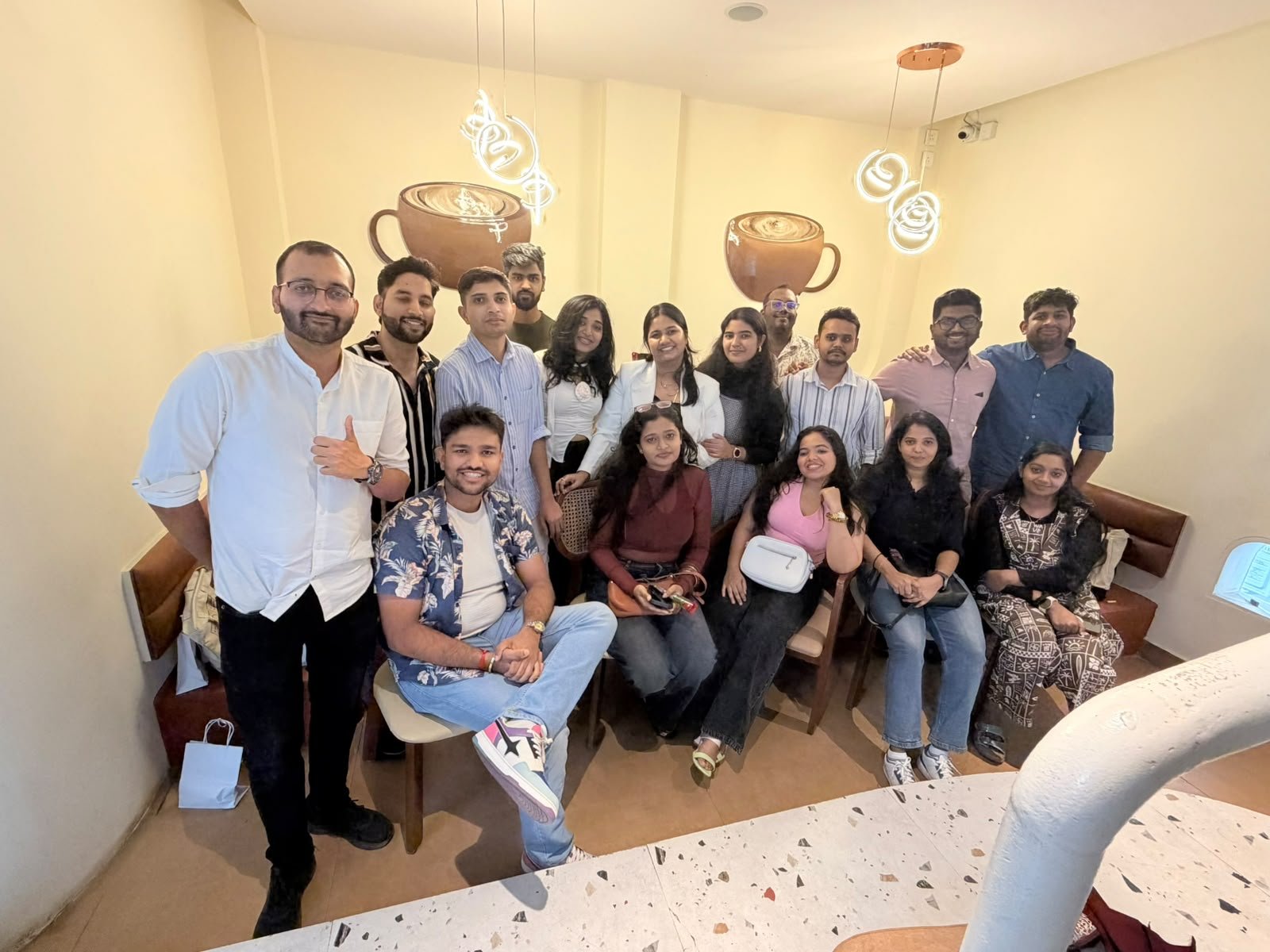

By Dr. Charunayana D.N
Entrepreneur, founder at social circle bangalore
A room full of people does not automatically become a community.
People may attend the same event, work in the same building or live in the same neighbourhood without ever developing a meaningful connection. They may exchange introductions and polite conversations, yet leave without feeling that they belong.
Creating an environment in which people feel comfortable connecting with one another requires something more intentional than simply bringing them together.
It requires trust, thoughtful communication, shared experiences and an understanding of what helps people feel included.
For entrepreneurs and leaders, community building offers an important lesson: success is not always measured by how many people participate in an initiative, but also by the quality of the relationships it helps create.
The Difference Between Gathering People and Building Community
A gathering is an event. A community is a network of relationships that can continue beyond a single event.
The distinction matters because attendance does not necessarily indicate connection. People may be physically present while remaining hesitant to participate, unsure how to approach others or concerned about whether they will be accepted.
This can be particularly relevant in unfamiliar social environments, where people may arrive without knowing anyone.
A thoughtfully designed experience can reduce some of these barriers. Small-group activities, collaborative challenges, shared interests and welcoming introductions can give people natural reasons to begin conversations.
The objective is not to force friendships. It is to create conditions in which meaningful interactions have a better chance of developing.
When people feel that they can participate without being judged, they may become more comfortable sharing ideas, asking questions and engaging with others.
Trust Is Built Through Small Actions
Trust rarely emerges from a single promise. It develops through repeated experiences in which people see that others are reliable, respectful and consistent.
In community building, small details can influence whether people feel comfortable returning.
Clear communication about an event, transparent expectations, respectful treatment of participants and reliable organisation all contribute to the experience.
So does the way organisers respond when something goes wrong.
A delay, misunderstanding or unexpected problem can become an opportunity to demonstrate accountability. Acknowledging the issue, communicating honestly and taking reasonable steps to address it can help preserve trust.
The same principle applies to leadership more broadly. People are more likely to engage with a person or organisation when expectations are clear and actions are consistent with stated values.
Trust cannot be demanded. It must be earned through behaviour.
Inclusion Requires Intentional Effort
Not everyone finds social interaction equally easy.
Some people enter unfamiliar environments comfortably, while others need more time to participate. A person who arrives alone may wonder whether everyone else already knows one another. Someone who is naturally quieter may find it difficult to enter an established conversation.
Community organisers should recognise these differences rather than assuming that everyone will participate in the same way.
Simple practices can make an environment more welcoming: explaining activities clearly, avoiding unnecessary pressure to perform, helping newcomers join conversations and providing different ways to participate.
Inclusion does not mean that every person must become close friends with everyone else. It means creating a respectful environment in which people have a genuine opportunity to take part.
A community becomes stronger when participation is not limited to the loudest, most confident or most socially connected individuals.
Leadership Is Often Invisible
Leadership is commonly associated with making decisions, delivering speeches or directing a team. However, community building reveals another side of leadership: the work required to help other people contribute.
A leader may need to notice that a participant is being left out, resolve a disagreement between team members or adjust an activity that is not working as intended.
These actions may attract little attention, but they can influence how people experience the entire environment.
Community leadership requires both planning and responsiveness. Organisers need to establish a clear purpose while remaining attentive to the people involved.
It also requires humility. Not every idea will work, and not every decision will satisfy everyone. Feedback must be considered thoughtfully, even when it challenges the organiser’s original assumptions.
Leadership becomes more meaningful when it is measured not only by personal visibility but also by the quality of the environment created for others.
What Community Building Teaches Entrepreneurs
Entrepreneurship and community building share several important principles.
First, both require an understanding of people’s needs. An entrepreneur must understand the problem a customer wants to solve. A community builder must understand why people would want to participate and what might prevent them from feeling involved.
Second, both depend on trust. Customers need confidence in a business’s promises, while community members need confidence that their time, participation and personal boundaries will be respected.
Third, both require consistent execution. A promising idea may attract initial interest, but a reliable experience is what gives people a reason to return.
Finally, both benefit from feedback. Entrepreneurs need to understand why customers choose or reject an offering. Community organisers need to learn which activities help people connect and which barriers remain.
These principles demonstrate that community is not simply a marketing tool. It is a relationship that requires ongoing attention and genuine value.
From Social Interaction to a Sense of Belonging
A meaningful connection does not have to be extraordinary.
It may begin with a conversation between two people who discover a shared interest, a group that works together to solve a problem or a participant who feels comfortable enough to return to an unfamiliar environment.
Repeated interactions can create opportunities for relationships to develop over time.
However, belonging should not be promised as an automatic outcome of attending an event. It develops differently for different people and depends on factors beyond the organiser’s control.
What organisers can do is create opportunities for participation, communicate expectations honestly and treat people with consistency and respect.
The most useful question is not simply whether an event attracted a large audience. It is whether the experience offered participants something meaningful and whether they would choose to engage again.
Building Something Bigger Than an Event
For me, the idea of bringing people together represents an opportunity to explore how shared experiences can create meaningful interactions.
Through initiatives such as Social Circle Bangalore, the broader ambition is to create opportunities for people to meet beyond their existing social circles and participate in experiences that encourage connection.
The process also highlights the practical responsibilities involved in community building: understanding an audience, designing an experience, coordinating people, communicating clearly and learning from feedback.
The work does not end when an event concludes. Each experience offers lessons about what helps people participate, what can be improved and how future gatherings can create greater value.
This approach is relevant beyond social events. Schools, workplaces, neighbourhoods and professional networks all benefit when people have opportunities to communicate, collaborate and develop mutual understanding.
The Future Belongs to People Who Can Build Trust
In an increasingly connected world, opportunities for communication are abundant, but meaningful relationships still require effort.
Technology can introduce people to one another. Organisations can create platforms for interaction. Leaders can establish a shared purpose. Yet trust and belonging develop through the way people treat one another over time.
Community building reminds us that leadership is not always about standing at the front of a room. Sometimes, it is about creating a room in which others feel comfortable enough to participate.
It is about making introductions, encouraging collaboration, responding to feedback and recognising that every person contributes to the experience.
Because bringing people into the same space creates a gathering, but helping them feel respected, included and connected is what gives a community the opportunity to grow.