
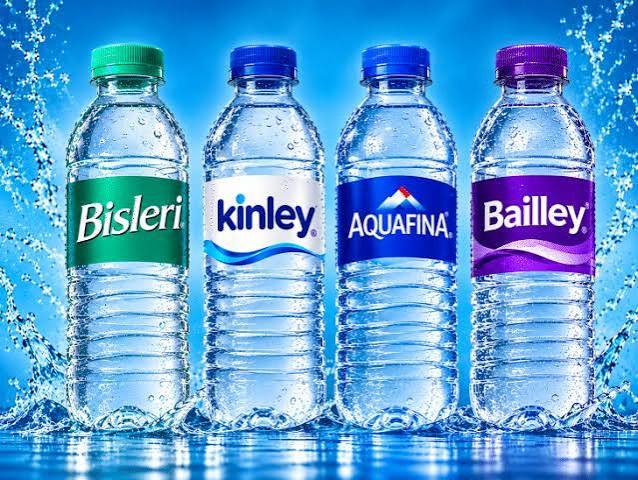

The Food Safety and Standards Authority of India (FSSAI) has launched a nationwide testing drive to examine the quality of packaged drinking water sold across India. The exercise will assess compliance with food safety standards, with laboratory results expected within one to two months, according to the regulator.
FSSAI Begins Nationwide Packaged Drinking Water Quality Checks
The FSSAI has started collecting packaged drinking water samples from different parts of India as part of a nationwide food safety surveillance exercise.
On November 25, 2026, FSSAI Chief Executive Officer Rajit Punhani confirmed that sample collection was underway across the country. Speaking to reporters on the sidelines of a Confederation of Indian Industry (CII) event, he said laboratory testing would take at least one to two months because of the scale of the exercise.
The testing programme will examine whether packaged drinking water products comply with the prescribed quality and safety requirements.
The regulator’s objective is to identify non-compliant products and take appropriate action wherever violations are established.
Punhani also clarified that the exercise was not initiated because of one particular incident. According to him, FSSAI has been examining different food categories as part of its broader surveillance programme.
Over the previous year, the regulator had undertaken similar enforcement activities involving dairy products, meat, eggs, cereals, energy drinks and sugary beverages. Packaged drinking water is the latest category to receive nationwide scrutiny. The New Indian Express+2
Why Is FSSAI Increasing Scrutiny of Bottled Water?
Packaged drinking water is widely consumed in India, particularly in cities, railway stations, airports, offices, restaurants and locations where access to treated tap water may be limited.
Consumers often purchase bottled water because they expect it to meet prescribed safety standards. However, maintaining water quality requires proper treatment, hygienic bottling, suitable packaging, storage and regular testing.
The latest FSSAI exercise comes amid concerns about compliance in the packaged water industry.
A regulatory sample collected from Bisleri International’s premises reportedly failed prescribed bromate limits. Following further laboratory examination, a referral laboratory also declared the sample unsafe after detecting polynuclear aromatic hydrocarbons (PAHs).
FSSAI has sanctioned prosecution against the company under the Food Safety and Standards Act, 2006.
Bisleri has maintained that its packaged drinking water is safe and indicated that it would cooperate with the regulatory process.
The case has brought renewed attention to water quality monitoring, laboratory testing and the responsibility of manufacturers to maintain consistent safety standards.
However, the findings concerning an individual sample should not be interpreted as evidence that all packaged drinking water brands or products are unsafe. The Economic Times+2
What Are Bromate and PAHs, and Why Are They Tested?
The Bisleri-related regulatory case has brought two chemical terms into public discussion: bromate and polynuclear aromatic hydrocarbons.
Understanding these substances helps explain why laboratory testing is an important part of packaged water safety.
Bromate: Bromate is a chemical compound that can form during certain water treatment processes, particularly when ozone is used for disinfection in water containing bromide. It is regulated because excessive exposure is associated with health concerns, including potential cancer risks.
Polynuclear aromatic hydrocarbons (PAHs): These are a group of chemical compounds that can enter the environment through processes such as incomplete combustion of organic materials. Some PAHs are known to have harmful health effects, including carcinogenic potential.
Their detection in a water sample requires scientific evaluation of the specific compounds, concentrations and applicable safety limits.
This is why laboratory testing matters. A chemical finding must be assessed against established standards rather than interpreted without considering the amount detected and the testing method used.
Consumers should also remember that the reported findings in the Bisleri case relate to a specific regulatory sample. They do not establish that every bottle from the company, or every packaged water product available in India, contains these substances. The Economic Times+2
What Will FSSAI Check During Packaged Water Testing?
The nationwide testing drive is intended to examine whether packaged water manufacturers are following the food safety requirements prescribed by FSSAI.
The regulator’s testing framework covers several aspects of water quality and manufacturing practices.
Some important areas include:
1. Microbiological contamination
Packaged drinking water must be tested for harmful microorganisms that can make water unsafe for consumption. The prescribed testing framework includes checks for coliform bacteria, Salmonella, Shigella, Pseudomonas aeruginosa, Vibrio cholerae and other microorganisms.
2. Chemical contaminants
Water samples are also assessed for chemical substances that may be harmful when present above prescribed limits. These include certain metals, nitrates, nitrites and other undesirable substances.
3. Source water quality
Manufacturers must test the source water before using it in production. The testing must be conducted through an FSSAI-notified NABL-accredited laboratory.
4. Packaging safety
The plastic bottles, jars, pouches and other containers used for packaged drinking water must comply with applicable food packaging regulations.
5. Manufacturing hygiene
The rules also cover the collection, treatment, storage, handling and packaging of water. Manufacturers must maintain records of quality checks and corrective action.
These requirements are part of FSSAI’s official testing scheme for packaged drinking water and mineral water, which came into effect on January 1, 2026. FSSAI+1
New FSSAI Testing Rules: Why BIS Certification Is No Longer Mandatory
One important regulatory change consumers should understand concerns the Bureau of Indian Standards (BIS) certification mark.
Until the regulatory change in October 2024, packaged drinking water and mineral water were subject to mandatory BIS certification requirements under the applicable rules.
However, FSSAI removed the provision requiring mandatory BIS certification through a notification dated October 17, 2024.
This does not mean that packaged drinking water can be manufactured or sold without quality controls.
Instead, FSSAI introduced a dedicated testing scheme to ensure that manufacturers continue meeting the prescribed safety and quality standards.
The new testing scheme was formally communicated to food business operators on December 17, 2025, with compliance required from January 1, 2026.
Under the framework, manufacturers must conduct specified tests at prescribed intervals, maintain records and take corrective action when products fail microbiological or other safety requirements.
For consumers, the important distinction is that the absence of a mandatory BIS certification mark does not mean that a packaged water product is automatically unsafe or unregulated. FSSAI food safety requirements continue to apply. FSSAI
Bisleri Case Brings Packaged Water Safety Under Focus
The nationwide testing exercise has attracted additional attention because of the recent regulatory action involving Bisleri International.
According to reports, an FSSAI sample collected from the company’s premises was initially found to exceed the prescribed bromate limits.
After the company challenged the initial findings, the sample was examined by a referral laboratory. FSSAI subsequently stated that the sample was declared unsafe following the detection of polynuclear aromatic hydrocarbons.
The regulator has sanctioned prosecution against Bisleri International under the Food Safety and Standards Act, 2006.
The matter has raised questions about laboratory testing, manufacturing controls and the consistency of packaged water quality.
Bisleri has maintained that its products are safe for consumption and said it would cooperate with the regulatory authorities.
It is important to distinguish between a regulatory finding concerning a particular sample and the safety of every product sold under a brand.
The final legal and regulatory process will determine the consequences of the alleged non-compliance. The nationwide testing programme will separately examine products collected from across the country.
The development is also significant for other manufacturers because it reinforces the importance of regular quality checks and compliance with food safety requirements. The Economic Times+2
FSSAI Asks States to Increase Inspections and Sampling
Alongside nationwide sample collection, FSSAI has asked state food safety authorities to strengthen surveillance of packaged drinking water and mineral water manufacturers.
According to Moneycontrol’s November 25 report, state food commissioners and regional directors have been asked to increase inspections and undertake more frequent risk-based sampling.
The approach is intended to identify products that do not comply with prescribed food safety standards.
Risk-based sampling allows authorities to focus attention on products, manufacturing facilities or situations that require closer examination.
If a sample fails the prescribed requirements, the concerned manufacturer may face regulatory action depending on the nature of the violation.
FSSAI CEO Rajit Punhani has also indicated that the regulator will soon begin inspections of food packaging materials to check whether they meet food-grade safety requirements.
This expands the regulator’s focus beyond the contents of food and beverages to the materials used to package them.
For the packaged water industry, this means that water quality, production hygiene and packaging compliance will all remain important areas of regulatory attention. Moneycontrol+1
When Will FSSAI Announce the Nationwide Water Testing Results?
Consumers will have to wait for the completion of laboratory testing before the broader findings become available.
FSSAI CEO Rajit Punhani said the nationwide exercise could take at least one to two months because samples are being collected from across India.
Considering the November 25 announcement, the expected testing period extends into late December 2026 and January 2027, although the exact publication date of the findings has not been confirmed.
The results could help authorities identify manufacturers or products that require further investigation.
If violations are detected, the regulator can take action under the Food Safety and Standards Act and applicable regulations.
The findings may also provide a clearer picture of compliance across the packaged drinking water industry.
However, the regulator has not announced a complete list of brands being tested or a final number of samples collected.
Consumers should therefore avoid circulating unverified brand-wise safety lists or claims before official findings are published.
How Consumers Can Identify Safer Packaged Drinking Water
While the nationwide testing drive is underway, consumers can take a few practical steps when purchasing bottled water.
Here are some important things to check:
- Check the FSSAI licence number: Look for the food business operator’s licence details printed on the bottle.
- Check the manufacturing and expiry or best-before details: Avoid purchasing products with missing, unclear or altered information.
- Inspect the seal: Do not purchase bottles with broken caps, damaged seals or signs of tampering.
- Check the packaging condition: Avoid bottles that are damaged, leaking or improperly stored.
- Buy from reliable sellers: Purchase packaged drinking water from established retailers and authorised outlets.
- Avoid direct sunlight exposure: Do not leave bottled water in hot vehicles or exposed to sunlight for extended periods.
Consumers can also use the official FSSAI website to access food safety information and verify relevant regulatory details.
Official website: https://www.fssai.gov.in/
These precautions cannot independently establish the chemical or microbiological safety of water. Only appropriate testing can confirm whether a product meets the prescribed standards.
What the Nationwide Testing Drive Means for India’s Packaged Water Industry
India’s packaged drinking water industry serves a large consumer base, including households, offices, hotels, restaurants, hospitals and transportation hubs.
The latest FSSAI initiative could increase the compliance requirements and monitoring pressure faced by manufacturers.
Large companies and smaller regional bottling businesses will need to maintain proper production records, conduct regular laboratory testing and ensure that their packaging materials meet applicable standards.
For smaller cities such as Nagpur, Nashik, Amravati, Akola, Latur and Aurangabad, the issue is particularly relevant because packaged water is widely used at local events, restaurants, railway stations and commercial establishments.
Regional manufacturers also need to ensure that their production facilities follow the same applicable food safety requirements as larger companies.
The nationwide exercise could help authorities identify gaps in quality control and improve accountability across the industry.
However, its effectiveness will depend on transparent laboratory findings, regular inspections and consistent action against manufacturers found violating safety standards.
For consumers, the central message is straightforward: packaged drinking water should meet established safety standards, regardless of the brand or location where it is manufactured.
Key Takeaways
- FSSAI has started nationwide packaged drinking water testing, with results expected within one to two months.
- The exercise follows regulatory action involving a Bisleri sample but is also part of FSSAI’s broader food safety surveillance programme.
- Mandatory BIS certification was discontinued in October 2024, but FSSAI testing and safety requirements remain applicable.
- Consumers should check bottle seals, FSSAI licence details, manufacturing information and packaging conditions before purchasing water.
Frequently Asked Questions (FAQs)
1. Why has FSSAI started nationwide packaged drinking water testing?
FSSAI has started the exercise to examine the quality of packaged drinking water and mineral water sold across India and ensure compliance with prescribed food safety standards. It is part of the regulator’s wider surveillance programme.
2. When will FSSAI release the packaged water testing results?
FSSAI CEO Rajit Punhani has indicated that laboratory testing will take approximately one to two months. The exact date for publishing the complete findings has not been announced.
3. Is BIS certification still mandatory for packaged drinking water in India?
No. The mandatory BIS certification requirement was removed through a regulatory notification dated October 17, 2024. However, manufacturers must comply with FSSAI’s applicable safety standards and testing scheme, effective January 1, 2026.
4. How can consumers check whether packaged drinking water is safe?
Consumers should purchase sealed bottles from reliable sellers, check the FSSAI licence details and manufacturing information, and avoid damaged or tampered packaging. Laboratory testing remains necessary to establish whether water meets all prescribed safety standards.