
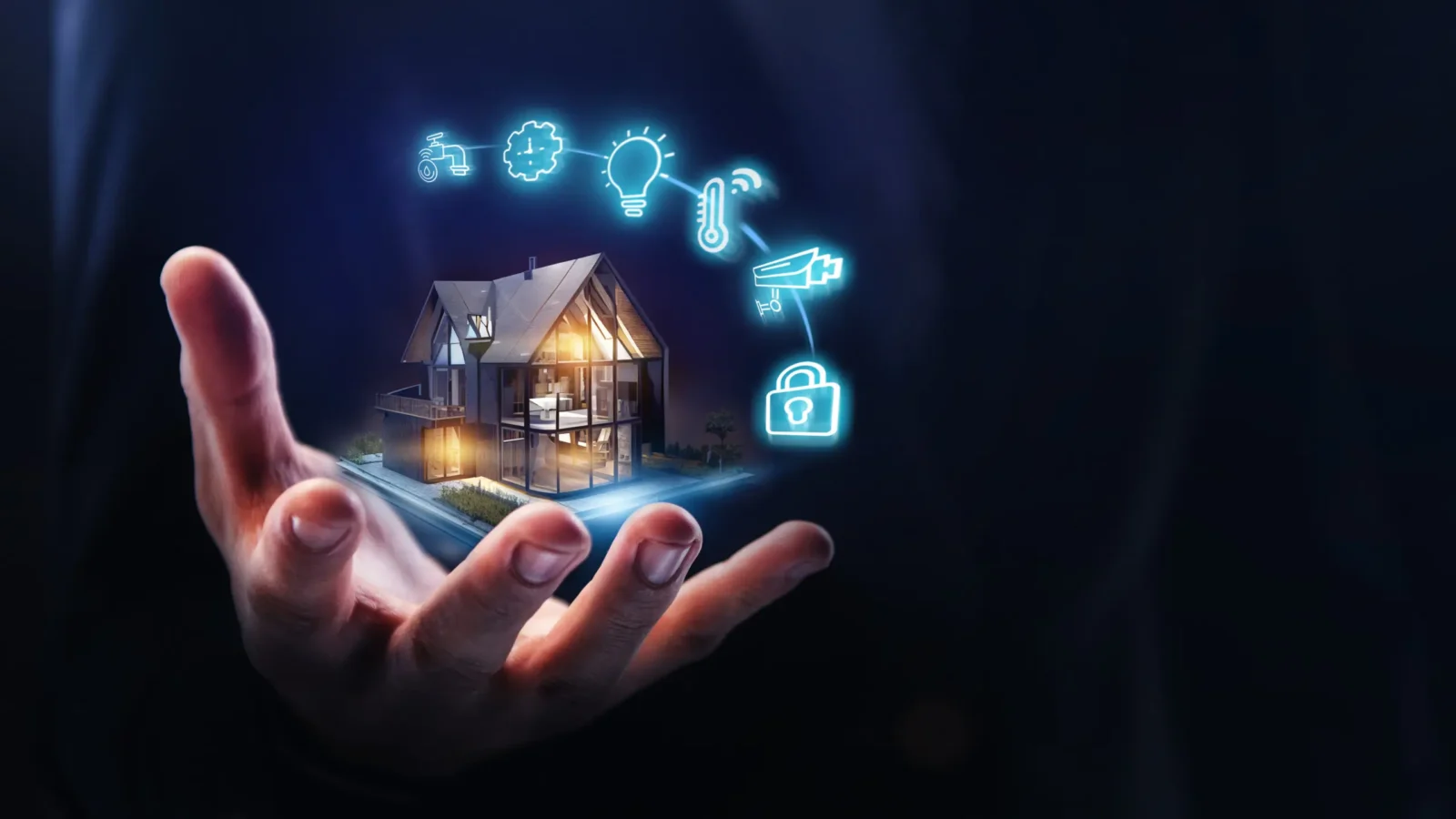

How affordable smart home gadgets are transforming tier 2 households is an evergreen informational topic as small city families increasingly use budget friendly devices to simplify routines, improve safety and enhance comfort. This article explains how products like smart bulbs, security cameras and automation plugs are reshaping daily life across tier 2 homes.
As internet access and smartphone use grow rapidly in small towns, families are more open to adopting practical technology rather than aspirational gadgets. The rise of low cost smart devices allows households to modernise their homes without major spending. These upgrades match local needs for convenience, remote monitoring and energy savings.
Smart lighting adoption and secondary keywords driving home automation
Smart bulbs have become one of the most popular entry level smart home products in tier 2 cities. Their affordability, easy installation and energy efficiency attract families seeking convenience. Users can control brightness and colour through mobile apps, set schedules for night lights and reduce electricity wastage. This flexibility benefits households where children study late, senior members prefer dim lighting or working professionals return home after dark.
Smart lighting also enhances safety. Automated switching helps make homes appear occupied when residents are away, reducing the risk of intrusion. Evening routines become simpler as lights turn on automatically based on timers. For small town families balancing work and household responsibilities, these features provide comfort without requiring technical expertise.
Security cameras improving safety and remote monitoring
Smart security cameras have gained strong adoption in tier 2 houses due to rising awareness about neighbourhood safety. Budget models offer live viewing, motion alerts and night vision, making them practical for monitoring entrances, balconies and parking areas. Working parents or migrant workers living away from families rely on these cameras to stay connected with household activity.
Two way audio communication allows residents to interact with visitors or delivery personnel even when not at home. Cameras also support local storage or cloud backup, helping families access recordings if needed. In towns where traditional security systems may be expensive, smart cameras offer a cost effective solution that strengthens confidence and safety.
Smart plugs and device automation enabling energy savings
Smart plugs allow users to convert regular appliances into semi automated devices. They help control fans, lamps, water pumps or kitchen gadgets remotely. For families in tier 2 cities dealing with erratic power supply, smart plugs enable scheduling to run appliances during specific hours. Students preparing for exams often use them to ensure consistent lighting without forgetting switches.
Energy monitoring features help track power consumption, allowing households to adjust appliance usage and reduce monthly electricity bills. Over time, families become more conscious of energy saving habits, reinforcing responsible consumption. For those with elderly parents or children at home, remote control offers an additional safety layer.
Voice assistants and convenience focused automation
Voice assistants have gradually entered tier 2 houses through bundled smart speaker offers. These devices allow users to control bulbs, play music, access news updates or set reminders using simple voice commands. Their appeal lies in ease of use, especially for older family members who may not be comfortable navigating apps.
Voice automation enhances accessibility and reduces reliance on physical switches. Small town households use assistants for multilingual queries, entertainment during chores and hands free management of home routines. In homes with young children, voice assistants often serve as learning tools or storytelling devices.
Impact on lifestyle, routines and household efficiency
Affordable smart gadgets influence daily life by reducing manual effort and improving coordination within families. Parents working outside the home can monitor activity, manage appliances and ensure household safety remotely. Students benefit from structured lighting, stable connectivity support and automation that improves focus.
These devices also change how families view technology. Instead of being seen as luxury items, smart gadgets become functional investments. Their presence encourages digital literacy and comfort with modern tools. Local markets and small electronics stores now stock budget smart devices, improving accessibility and creating awareness among new buyers.
Challenges tier 2 households face during adoption
Despite rapid growth, smart home adoption faces challenges. Internet reliability varies across towns, affecting device performance. Some families may find setup processes confusing, especially when linking multiple devices. Limited customer support in semi urban areas can slow troubleshooting.
Concerns about data privacy and camera misuse remain. Families must learn safe usage practices such as securing WiFi networks, updating device software and enabling password protection. Budget models may offer fewer security controls, requiring extra caution. These issues highlight the need for responsible adoption and awareness.
Why smart home adoption will continue growing in small towns
The long term trend indicates sustained adoption as devices become more affordable and easier to use. Smart home gadgets align naturally with small town priorities such as safety, energy savings and convenience. Government backed digital infrastructure improvements and widespread app literacy further accelerate usage.
As local retailers stock more devices and word of mouth spreads, households gain confidence in adopting technology. Affordable smart home solutions provide practical value while enhancing comfort, making them a strong fit for tier 2 lifestyles in 2025 and beyond.
Takeaways
Smart bulbs improve convenience, safety and energy control for families
Security cameras provide reliable monitoring at affordable prices
Smart plugs enable scheduling and reduce electricity consumption
Voice assistants increase accessibility and simplify daily routines
FAQs
Are affordable smart home devices reliable for long term use
Yes, most budget devices offer stable performance if users maintain network security and update software regularly.
Can smart gadgets work with slow internet connections
Basic functions like scheduled lighting work offline, but live camera feeds and voice assistants require stable connectivity.
Do smart home devices increase electricity bills
They usually help reduce bills by allowing users to monitor and optimise appliance usage through automation.
Are smart home gadgets safe for families
They are safe when used responsibly. Securing WiFi, using strong passwords and buying reputable brands reduce risks.