
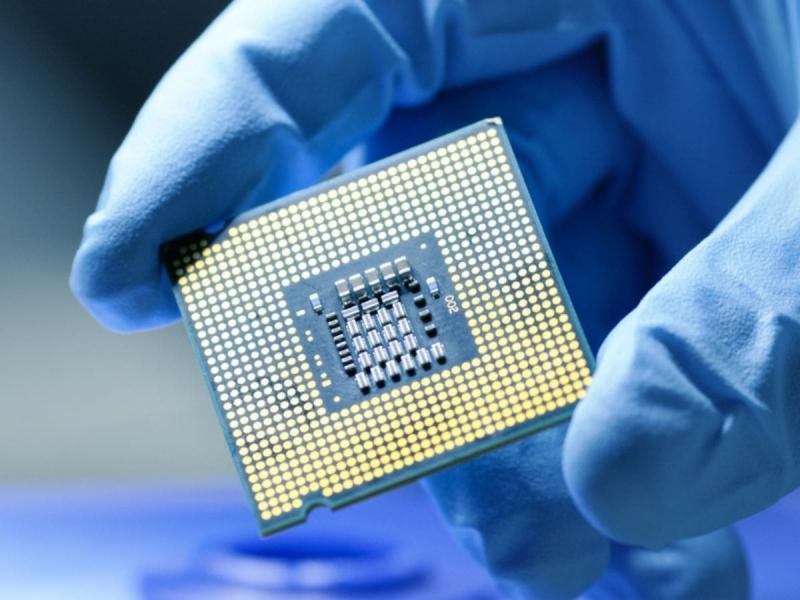

India’s new semiconductor push is reshaping the country’s manufacturing landscape, with Tier 2 cities expected to gain significantly from policy backed chip fabrication and electronics expansion. The semiconductor policy aims to reduce import dependence and create skilled manufacturing jobs beyond metro hubs.
India’s new semiconductor push has moved from announcement stage to implementation, with production linked incentives, capital subsidies, and infrastructure commitments attracting both domestic and global players. For Tier 2 manufacturing cities, this shift could unlock long term employment, supply chain growth, and skill development opportunities.
Semiconductor Policy and Manufacturing Incentives Explained
The semiconductor policy focuses on establishing fabrication plants, assembly and testing units, and electronics component manufacturing clusters within India. The government has offered substantial fiscal support covering a percentage of capital expenditure for semiconductor fabs and display units.
This policy framework is designed to address India’s heavy reliance on imported chips used in smartphones, automobiles, consumer electronics, and industrial machinery. By encouraging local production, the country aims to strengthen supply chain resilience and reduce vulnerability to global disruptions.
Tier 2 cities are strategically positioned within this plan because they offer lower land costs, emerging industrial corridors, and access to engineering talent from regional institutions. These factors make them viable alternatives to saturated metro regions.
Why Tier 2 Cities Are Central to the Semiconductor Push
Semiconductor manufacturing requires large land parcels, stable power supply, and access to water resources for fabrication processes. Tier 2 cities often provide these at comparatively lower costs than major metropolitan areas.
States are competing to attract semiconductor investments by offering dedicated industrial parks, faster clearances, and infrastructure upgrades. Cities such as those along major industrial corridors benefit from improved connectivity to ports, highways, and logistics hubs.
For manufacturing jobs, this decentralization is critical. Instead of concentrating high value production in a few metropolitan clusters, the semiconductor push spreads economic activity across multiple regions. This supports balanced regional development.
Types of Jobs Likely to Emerge in Tier 2 Manufacturing Hubs
The semiconductor ecosystem generates a wide range of employment opportunities. Fabrication plants create demand for highly skilled engineers in chip design, process engineering, and equipment maintenance. At the same time, assembly and testing units require technicians, quality control professionals, and operations managers.
Support industries also expand. Chemical suppliers, packaging manufacturers, clean room equipment providers, and logistics firms grow alongside semiconductor facilities. This multiplier effect strengthens local economies.
Technical education institutes in Tier 2 cities are expected to align curricula with semiconductor manufacturing needs. Courses in electronics engineering, materials science, and automation will gain relevance, increasing employability for local graduates.
Impact on MSMEs and Local Supply Chains
India’s semiconductor push does not operate in isolation. It integrates with the broader electronics manufacturing ecosystem, including printed circuit board assembly, mobile handset production, and automotive electronics.
Micro, small, and medium enterprises in Tier 2 regions can benefit by becoming suppliers of components, tooling, and services. Ancillary industries such as industrial gases, precision machining, and facility management see increased demand.
This expansion improves income stability in manufacturing belts that previously relied on traditional sectors. Diversification into semiconductor linked production reduces dependency on cyclical industries.
Challenges in Building Semiconductor Capacity
Despite the positive outlook, semiconductor manufacturing is capital intensive and technologically complex. Fabrication plants require billions in investment and long gestation periods before full scale production begins.
Tier 2 cities must ensure reliable power supply and uninterrupted water availability. Semiconductor fabrication processes are sensitive to environmental conditions and contamination. Infrastructure planning must meet strict technical standards.
Skill gaps also present a challenge. While engineering graduates are available, specialized semiconductor manufacturing expertise requires targeted training. Partnerships between industry and academic institutions are essential to bridge this gap.
Long Term Economic and Strategic Benefits
Beyond job creation, India’s semiconductor push strengthens national technological sovereignty. Domestic chip production supports critical sectors such as defense, telecommunications, electric vehicles, and renewable energy systems.
For Tier 2 manufacturing hubs, long term benefits include improved urban infrastructure, increased real estate development, and enhanced global visibility. International semiconductor companies setting up units in these cities bring global best practices and standards.
As production stabilizes, export opportunities may expand, positioning India as a competitive player in the global semiconductor value chain. Tier 2 cities integrated into this ecosystem stand to gain sustained economic momentum.
What Workers and Students Should Do Now
Students pursuing electronics, electrical engineering, or materials science should consider specialized courses related to chip design, semiconductor fabrication, and automation systems. Certifications in clean room operations and industrial safety will also become valuable.
Existing manufacturing workers can upgrade skills through short term technical programs focusing on robotics, precision equipment handling, and quality assurance. Upskilling ensures readiness when semiconductor facilities scale operations.
Local entrepreneurs should explore opportunities in supply chain support, industrial maintenance, and logistics services aligned with semiconductor production.
Takeaways
• India’s semiconductor push aims to reduce import dependence and build local chip capacity
• Tier 2 cities are attractive due to lower costs and industrial infrastructure
• New jobs will emerge across engineering, technical, and support roles
• Skill development and infrastructure readiness are critical for long term success
FAQs
Q1. Why is semiconductor manufacturing important for India?
It reduces reliance on imported chips, strengthens supply chains, and supports strategic sectors like electronics and automotive manufacturing.
Q2. How will Tier 2 cities benefit from the semiconductor policy?
They may host fabrication and assembly units, generating direct manufacturing jobs and boosting local supply chains.
Q3. What skills are needed for semiconductor jobs?
Skills in electronics engineering, process control, automation, materials science, and quality management are in high demand.
Q4. Are semiconductor plants likely to create only high skill jobs?
No. While many roles require advanced expertise, there are also technician, operations, and support positions across the ecosystem.