
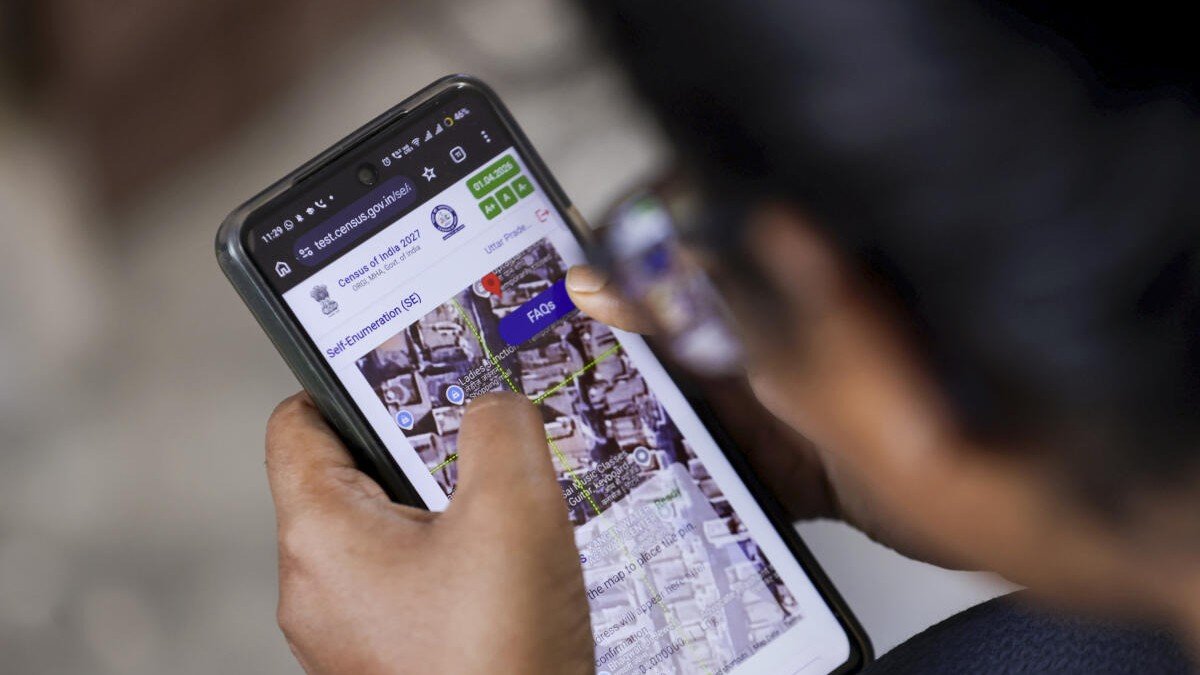

India’s Census 2027 self-enumeration process is expected to make population data collection more digital and citizen-friendly. The online system will likely allow households to submit demographic details through an official government portal without waiting for physical visits from census officers.
The Census of India is one of the country’s largest administrative exercises and plays a major role in policymaking, welfare planning, infrastructure development, and electoral representation. While official operational details for Census 2027 are still being finalized, the government has already indicated plans to continue digital and self-enumeration methods introduced during recent census preparation phases.
Since many citizens are unfamiliar with online census systems, understanding the likely registration and verification process can help households prepare early and avoid confusion when the official rollout begins.
What Is Census Self-Enumeration and Why It Matters
Census self-enumeration is a digital process that allows citizens to fill in household information online instead of relying completely on door-to-door data collection.
The Indian government first explored digital census collection methods to modernize data gathering and improve accuracy. Self-enumeration can reduce paperwork, minimize manual entry errors, and make updates faster for authorities.
For citizens, the process offers flexibility. Families can complete forms at their convenience using a smartphone, tablet, or computer. This becomes especially useful in urban areas, gated communities, working households, and regions where residents may not always be available during field visits.
Census data influences several important areas including public transport planning, ration distribution, school allocation, healthcare infrastructure, housing schemes, and local development projects. Accurate information also helps governments understand migration trends, employment patterns, literacy levels, and population growth.
Because of this, citizens are expected to provide correct and updated information during the self-enumeration process.
Expected Online Registration Process for Census 2027
Although the final interface for Census 2027 has not yet been fully released, the process is expected to follow a structure similar to earlier digital census planning systems.
Citizens will likely need to visit the official Census India portal through a government-approved website. Users may be asked to register using a mobile number and verify it through an OTP authentication process.
After verification, the head of the household may receive access to a digital enumeration form. The form is expected to request details such as names of family members, age, gender, education, occupation, marital status, migration history, and housing conditions.
In some cases, Aadhaar or identity verification may be used for authentication support, though census authorities generally separate census information from direct public disclosure systems.
Users will also likely receive a temporary reference number after successful submission. This can help households track completion status or make corrections if allowed during the submission window.
Documents and Information Families Should Keep Ready
One common mistake during government online registrations is entering incomplete or inaccurate details. To avoid delays or mismatched information, families should prepare important records in advance.
Basic information may include full names of household members, dates of birth, educational qualifications, occupation details, and current residential address.
Citizens may also need information linked to migration history, disability status, or language preferences depending on the final questionnaire structure.
Keeping documents such as Aadhaar cards, voter IDs, utility bills, school certificates, and mobile numbers accessible can make the process smoother. However, users should remember that census operations mainly focus on statistical data collection rather than financial or banking verification.
People living in rented accommodations, hostels, or temporary housing should also ensure their current residence details are accurately entered to avoid duplication or omission in population records.
Digital Census Challenges in Tier-2 and Rural Areas
While online self-enumeration improves convenience, digital literacy and internet access remain major challenges in several parts of India.
Many households in Tier-2 cities and rural regions still depend on limited mobile internet connectivity. Senior citizens and first-time smartphone users may struggle with form submissions, OTP verification, or language barriers.
To address this, census authorities are expected to continue physical verification visits alongside digital options. Enumerators may help citizens complete the process if they face technical difficulties.
Cybersecurity awareness is also important. Fake government links and phishing scams often increase during large public registration campaigns. Citizens should only use official government websites and avoid sharing OTPs with unknown callers.
Experts recommend checking website URLs carefully before entering personal information. Government portals typically use secure domains ending in “.gov.in”.
Why Census 2027 Will Be Important for India
Census 2027 is expected to become one of the most significant demographic exercises in India after years of rapid urbanization, migration, and digital transformation.
Population trends have changed considerably in the last decade due to economic shifts, remote work growth, education migration, and expanding industrial corridors in smaller cities.
Accurate census data helps governments identify where new schools, hospitals, roads, and employment programs are needed. It also influences parliamentary constituency planning and public welfare distribution.
Digital self-enumeration could make participation easier for millions of households while reducing administrative workload. However, public awareness and accurate submissions will remain essential for the success of the process.
As official announcements become clearer, citizens are advised to follow updates only from authorized government sources and avoid relying on unofficial social media claims.
Key Takeaways
- Census 2027 is expected to include online self-enumeration for households
- Citizens may register using mobile OTP verification on the official portal
- Accurate demographic information is important for national planning
- Users should avoid fake census links and use only government websites
FAQ
What is Census self-enumeration?
It is an online process where households submit census information digitally without depending entirely on door-to-door enumeration.
Will Census 2027 registration be fully online?
The government is expected to offer online self-enumeration alongside traditional physical verification methods.
What details may be required during self-enumeration?
Household member names, age, education, occupation, address, and demographic details may be requested.
How can citizens avoid census scams?
People should use only official government portals ending with “.gov.in” and avoid sharing OTPs with unknown individuals.