
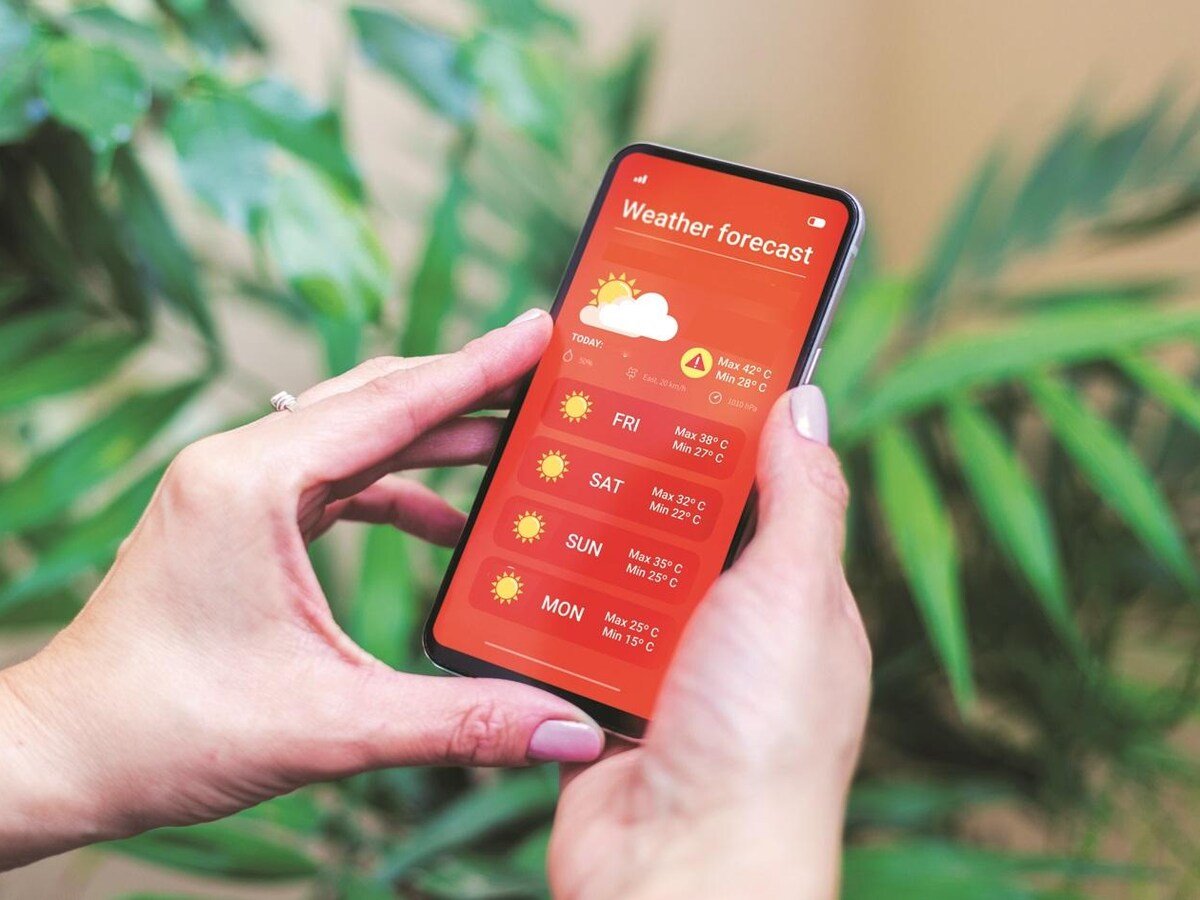

IMD weather alerts directly affect travel, schools, markets and daily work routines in Tier 2 cities. This guide explains how to check official alerts, understand color codes, and prepare for rain, thunderstorms or heatwaves without relying on unverified social media forwards.
IMD weather alerts are the official warnings issued by the India Meteorological Department to inform citizens about upcoming weather conditions such as heavy rain, thunderstorms, heatwaves or cyclonic activity. For residents of Tier 2 cities like Nagpur, Kochi, Nashik, Warangal, Indore or Vijayawada, these alerts can significantly impact commuting, business hours and public services. Knowing how to check IMD weather alerts and interpret them correctly helps individuals make informed decisions.
Unlike random viral messages, IMD warnings are based on satellite data, Doppler radar observations and scientific forecasting models. They are updated regularly and categorized using a standardized color system.
Understanding IMD Alert Color Codes and Their Meaning
IMD issues alerts in four main categories: green, yellow, orange and red. A green alert indicates no significant weather warning. A yellow alert signals the possibility of adverse weather conditions and advises people to stay updated. An orange alert means severe weather is likely and authorities may begin precautionary measures. A red alert indicates extremely severe conditions that can disrupt normal life.
In Tier 2 cities, an orange or red alert may lead to school closures, changes in local transport schedules or advisories for fishermen and farmers. For example, heavy rainfall alerts during monsoon season can lead to waterlogging in low lying areas, while heatwave alerts during summer may prompt public health advisories.
Understanding these color codes helps residents assess risk levels without panic. Not every alert requires staying indoors, but each level signals increasing caution.
How to Check IMD Weather Alerts for Your City
The most reliable way to check IMD weather alerts is through official channels. The IMD website provides region wise forecasts and district level warnings. Users can select their state and district to view detailed updates including rainfall intensity, wind speed and temperature projections.
The IMD Mausam mobile app is another official source. It offers real time weather updates, nowcast alerts for short term events such as thunderstorms, and extended forecasts. The app allows users to enable location based notifications.
State disaster management authorities and district administration social media handles often repost official IMD warnings. However, it is important to verify that the alert originates from the meteorological department and not from unverified accounts.
Local news channels and FM radio stations also broadcast IMD advisories during severe weather situations, especially during cyclones or intense monsoon spells.
What IMD Alerts Mean for Daily Life in Tier 2 Cities
Weather alerts influence daily routines in practical ways. A heavy rainfall alert may result in traffic congestion due to waterlogged roads. Office goers may need to leave early to avoid peak flooding hours. Schools in some districts may shift to online classes if red alerts are issued.
For farmers in Tier 2 and semi urban regions, IMD rainfall forecasts are crucial for planning irrigation and harvesting. Thunderstorm alerts help prevent crop damage by allowing protective measures in advance. Fishermen in coastal Tier 2 cities like Kochi are often advised to avoid venturing into the sea during cyclone warnings.
Small business owners also rely on accurate weather forecasts. Retail footfall often drops during heavy rain alerts, while demand for essentials and groceries may increase before predicted storms.
Precautionary Steps After Receiving a Weather Alert
When a yellow or orange alert is issued, review your travel plans. Avoid unnecessary travel during peak warning periods. Keep emergency contacts handy and ensure mobile phones are charged.
During heavy rain alerts, secure loose outdoor objects such as signboards, plant pots or temporary structures. In case of thunderstorm warnings, stay indoors and avoid open fields or tall isolated trees.
Heatwave alerts require hydration, limiting outdoor exposure during afternoon hours and checking on elderly family members. Urban residents should also monitor electricity supply updates during severe weather conditions.
Authorities may issue specific advisories such as closing low level bridges or restricting movement near rivers. Follow official instructions rather than relying on speculation.
Avoiding Misinformation During Severe Weather
One of the biggest challenges during extreme weather events is misinformation. Social media forwards often exaggerate rainfall predictions or circulate outdated alerts. Always check the date and time of the warning before sharing.
IMD updates are time stamped and frequently revised. A nowcast warning may be valid for only a few hours. Sharing expired alerts can cause unnecessary panic.
Rely on official apps, verified government accounts and recognized media platforms for updates. Accurate information helps communities respond calmly and effectively.
Takeaways
• Check IMD website or Mausam app for district level weather alerts
• Understand yellow, orange and red color codes before reacting
• Adjust travel, school and work plans during severe weather warnings
• Avoid spreading outdated or unverified weather information
FAQs
Q1. How often are IMD weather alerts updated?
IMD updates forecasts multiple times a day. Nowcast alerts for thunderstorms may be issued for short durations such as three hours.
Q2. Are Tier 2 cities covered under district level IMD warnings?
Yes. IMD provides district specific forecasts and warnings across all states, including smaller cities and towns.
Q3. Does a red alert mean complete shutdown of the city?
Not necessarily. A red alert signals extremely severe weather and advises maximum caution. Local authorities decide on closures based on ground conditions.
Q4. Can I rely on weather updates shared on social media?
Only if they originate from official IMD or verified government accounts. Always cross check the source and time stamp.