
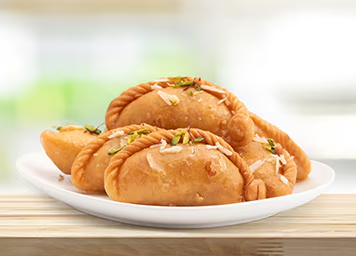

Learning how to make traditional Holi sweets at home ensures authentic taste, hygiene, and cost control during the festive season. These time tested recipes such as gujiya, malpua, and dahi bhalla can be prepared easily in Tier 2 and Tier 3 kitchens using locally available ingredients.
Holi is one of India’s most celebrated festivals, marked by colours, community gatherings, and festive food. While metropolitan bakeries offer ready made sweets, many households across smaller cities still prefer homemade preparations. Traditional recipes rely on pantry staples like maida, khoya, dry fruits, lentils, and sugar syrup. When prepared correctly, these sweets remain fresh for several days and can be made in large batches.
Preparing Ingredients for Classic Holi Recipes
Before starting any Holi sweets recipe, organise ingredients and measure quantities accurately. This reduces cooking errors and ensures consistent results.
Basic ingredients required for most traditional sweets:
Refined flour or wheat flour
Khoya or milk solids
Sugar or jaggery
Ghee for frying
Cardamom powder
Dry fruits such as almonds, cashews, and raisins
In non metro regions, khoya quality may vary. Always check freshness and smell before use. If khoya is unavailable, it can be prepared at home by reducing full cream milk on low heat until thickened.
Maintaining ingredient quality is the foundation for sweets that taste authentic and store well.
How to Make Gujiya with Perfect Crisp Texture
Gujiya is one of the most popular Holi sweets across North and Central India. It consists of a crisp outer shell filled with sweet khoya mixture.
For the dough:
Mix refined flour with a few tablespoons of ghee.
Add water gradually and knead into a firm dough.
Rest the dough for at least 20 to 30 minutes.
For the filling:
Roast khoya lightly until aromatic.
Add powdered sugar, chopped dry fruits, and cardamom.
Allow mixture to cool before stuffing.
Roll small discs, place filling in the centre, fold into semi circle, and seal edges firmly. Fry in medium hot ghee on low flame. High heat causes uneven browning. When fried correctly, gujiyas remain crisp and can be stored in airtight containers for up to a week.
Malpua Recipe for Soft and Juicy Results
Malpua is widely prepared in Rajasthan, Bihar, Uttar Pradesh, and parts of eastern India during Holi. It is a sweet pancake soaked in sugar syrup.
Prepare batter using:
Refined flour
Semolina
Milk
Fennel seeds for aroma
Let the batter rest for at least one hour. Resting improves texture. Fry small ladlefuls in shallow ghee until golden. Immediately dip them in warm sugar syrup flavoured with cardamom or saffron.
The key to perfect malpua is syrup consistency. It should be one string consistency. If too thin, malpua becomes soggy. If too thick, syrup will not absorb properly.
Dahi Bhalla as a Savoury Holi Addition
Though technically not a sweet, dahi bhalla is a festive staple that balances the sweetness of desserts. It is especially popular in North Indian households.
Soak urad dal for four to five hours.
Grind into smooth batter.
Whisk to incorporate air.
Deep fry small portions until golden.
Soak fried bhallas in warm water, squeeze gently, and immerse in thick whisked curd. Top with tamarind chutney, roasted cumin powder, and red chilli powder.
Proper soaking ensures softness. Hard bhallas usually result from insufficient grinding or over frying.
Scaling Recipes for Larger Gatherings
In smaller towns, Holi often involves extended family visits and neighbour exchanges. Recipes must be scalable without compromising taste.
For bulk preparation:
Multiply ingredient quantities proportionally.
Maintain oil or ghee temperature consistently.
Use wide utensils to avoid overcrowding while frying.
Preparing filling and dough a day earlier saves time. However, frying should ideally be done fresh for best texture. If preparing in advance, store sweets in airtight steel containers rather than plastic to maintain freshness in warm climates.
Food Safety and Storage During Holi Season
March temperatures in many Indian states start rising. Proper storage is crucial to prevent spoilage.
Store sweets in cool, dry areas.
Avoid direct sunlight exposure.
Use clean, dry spoons while serving.
Refrigerate milk based sweets if weather is hot.
Homemade sweets without preservatives have limited shelf life. Generally, gujiya lasts five to seven days, malpua two to three days, and dahi bhalla should be consumed within 24 hours.
Cost Effective and Local Ingredient Substitutes
In Tier 2 and Tier 3 cities, ingredient availability may differ from metro supermarkets. Simple substitutions can help.
If dry fruits are expensive, reduce quantity without affecting structure.
Use locally milled flour.
Prepare fresh paneer at home if khoya supply is unreliable.
Traditional Holi sweets are flexible recipes developed over generations. Precision matters, but adaptability is equally important.
Takeaways
• Measure ingredients carefully for consistent festive results
• Maintain medium frying temperature to avoid undercooked sweets
• Use airtight containers to extend shelf life in warmer climates
• Scale quantities proportionally for community gatherings
FAQs
Q1: Can gujiya be baked instead of fried?
Yes, but texture will differ. Baking reduces fat content but may not produce the same crispness as traditional frying.
Q2: How long can homemade Holi sweets be stored?
Gujiya can last up to a week if stored properly. Malpua lasts two to three days. Dahi bhalla should be consumed within a day.
Q3: What causes malpua to become hard?
Overcooking or thick sugar syrup can cause hardness. Ensure proper syrup consistency and moderate frying time.
Q4: Is it safe to prepare sweets two days before Holi?
Yes, for dry sweets like gujiya. Milk based items should be prepared closer to serving day.