
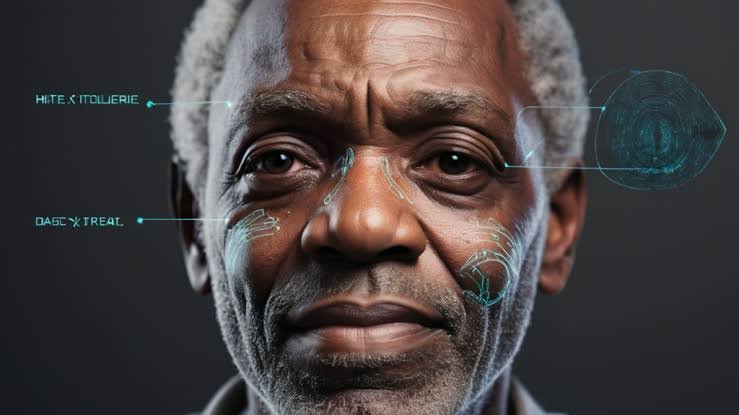

AI-generated face scams are becoming harder to identify as synthetic images become more realistic. For Indian social media users, limiting public photo exposure, strengthening account security and knowing how to report manipulated content can reduce the risk of misuse.
Why AI Face-Generation Scams Are a Growing Concern
AI face-generation scams involve using photographs of real people to create manipulated or entirely synthetic images. A publicly available selfie can potentially be used as a reference for generating another image that falsely depicts the person.
The risk is broader than fake photographs. AI-generated images can be used for impersonation, fraud, harassment, misinformation and non-consensual intimate imagery. India’s Computer Emergency Response Team, CERT-In, has described deepfakes as a high-risk threat because they can contribute to fraud, social engineering, financial loss and reputational damage.
The Indian government has also strengthened its regulatory framework around AI-generated and synthetic content. In February 2026, amendments to the IT Rules introduced additional requirements covering synthetically generated information, including measures relating to labelling, traceability and harmful AI-generated content.
That makes basic photo privacy an increasingly important part of digital safety.
Limit Who Can See Your Photos Online
One of the simplest ways to reduce exposure is to review the privacy settings on social media accounts.
On platforms such as Instagram and Facebook, users can control who can view their posts, stories and other profile information. A private account does not guarantee complete protection, because approved followers can still screenshot or save content, but it reduces the number of people who can directly access your photographs.
Avoid keeping large collections of high-resolution personal photographs publicly accessible when they do not need to be public.
CERT-In specifically advises users to limit the amount of personal information shared online, including high-resolution photographs and videos that could potentially be exploited for deepfake creation.
This is particularly relevant for public profiles, influencers, students, professionals and people who regularly post clear front-facing photographs.
Avoid Uploading Personal Photos to Unknown AI Apps
The popularity of AI photo-editing and face-generation applications has created another privacy consideration.
Before uploading a photograph, check what the application says about data collection, storage and use. Do not assume that an AI app will automatically delete an uploaded image after generating the result.
Be particularly cautious with websites or applications that ask for unnecessary permissions, request large collections of photographs or require you to upload sensitive identification documents.
CERT-In has advised users to be cautious when using AI services and to remain alert to suspicious activity involving AI-generated content.
A useful rule is simple: if an application does not need access to your entire photo library, do not give it that access.
Strengthen Your Social Media Account Security
Protecting photographs also means protecting the account where those photographs are stored.
Use a strong, unique password for every important online account. Avoid using the same password for Instagram, Gmail, Facebook and other services.
Multi-factor authentication should also be enabled wherever available. CERT-In recommends strong and unique passwords along with MFA as part of basic protection against AI-enabled cyber threats and account compromise.
Also review devices and active sessions connected to your accounts. If you see a device or login location you do not recognise, change your password and remove the suspicious session.
An attacker who gains access to a social media account may be able to obtain private photographs that were never publicly available.
Be Careful With Viral AI Photo Trends
Many AI photo trends are designed to encourage users to upload selfies and experiment with different transformations.
Not every AI trend is a scam, but users should understand what they are uploading before participating.
A face photograph contains biometric information that can make a person identifiable. Uploading several high-quality photographs from different angles can provide an AI system with more material to process.
Before joining a viral trend, check the application’s developer, privacy policy and permissions. Download AI applications only from trusted sources and avoid links circulated through unknown messages or suspicious social media accounts.
CERT-In advises users not to download applications or files from unverified sources and to exercise caution around suspicious links, messages and attachments.
How to Spot a Potentially Manipulated Photo
AI-generated images are becoming increasingly convincing, so visual inspection alone is not always reliable.
Still, certain inconsistencies can provide clues. CERT-In has highlighted signs such as unnatural facial expressions, unusual skin colours, distorted features, inconsistent lighting and awkward visual movements when discussing deepfake detection.
Look closely at areas such as the eyes, teeth, ears, hair, jewellery, hands and background objects. AI-generated images may sometimes contain small inconsistencies in these areas.
However, the absence of obvious errors does not prove that an image is authentic. If a photograph makes a serious claim about you or someone you know, verify its origin rather than relying only on appearance.
What to Do If Someone Uses Your Face in Fake Content
If you discover a manipulated photograph involving you, do not immediately engage with the person who posted it.
First, preserve evidence. Save screenshots showing the post, profile name, URL, date and other relevant details. If messages, threats or financial demands are involved, preserve those as well.
Next, report the content through the platform’s reporting system.
For unlawful or harmful content in India, users can also use the National Cyber Crime Reporting Portal. The government has stated that its reporting system includes mechanisms for reporting cybercrimes and suspicious digital entities, including deepfake-related content.
If the content is intimate or sexually explicit, the situation should be treated particularly seriously. Google allows users to request removal of qualifying fake or AI-generated intimate imagery from Search results.
Reporting Fake Intimate Images Requires Quick Action
AI-generated intimate images can cause significant personal and reputational harm even when the underlying photograph was completely ordinary.
Google’s current policies specifically include fake or AI-generated imagery that falsely depicts a person in a nude, sexually explicit or intimate situation within its removal process.
If such content appears online, document where it appears and report it to the hosting platform. Google also recommends contacting the website owner because removing a result from Google Search does not necessarily remove the original content from the website hosting it.
In India, victims can also report relevant cybercrime through the National Cyber Crime Reporting Portal and seek appropriate legal assistance depending on the circumstances.
The government has confirmed that India’s existing legal framework covers offences including identity theft, impersonation, privacy violations and certain forms of obscene or sexually explicit content.
Do Not Pay Someone Threatening You With Fake Images
A common danger in online abuse is the use of threats to demand money or additional photographs.
If someone claims to possess a compromising AI-generated image and threatens to publish it unless you pay, avoid sending money or more personal material. Preserve the communication as evidence and report the incident through appropriate cybercrime and platform channels.
AI can make fabricated material look convincing, but that does not make the underlying claim true.
Friends and family should also avoid forwarding suspicious images. Sharing manipulated content can increase its reach and cause additional harm to the person depicted.
A Safer Photo-Sharing Routine
Users do not have to stop sharing photographs online. The goal is to make deliberate choices about what is public and what remains private.
Keep personal accounts appropriately restricted, review app permissions regularly, enable MFA, use strong passwords and think carefully before uploading high-resolution photographs to unfamiliar AI services.
For public-facing creators and professionals, consider separating personal photographs from content intended specifically for public use. A creator may choose to maintain a smaller collection of highly personal images while using selected photographs for public profiles.
Most importantly, do not treat AI-generated images as an unavoidable consequence of being online. Privacy settings, account security, careful app selection and fast reporting can all reduce the potential impact of image misuse.
Key Takeaways
- Keep personal photographs restricted to trusted audiences whenever possible.
- Check an AI application’s privacy policy and permissions before uploading your face or photo library.
- Use strong passwords and multi-factor authentication to protect accounts containing private photographs.
- If fake or intimate AI-generated content involving you appears online, preserve evidence and report it to the platform and relevant authorities.
FAQs
Can someone create an AI image using my public photograph?
AI tools can use photographs as references for generating or manipulating images. CERT-In warns that deepfake technology can be used for fraud, social engineering, reputational harm and non-consensual explicit content.
Should I stop posting my photos on social media?
Not necessarily. A safer approach is to review your privacy settings, avoid unnecessarily sharing high-resolution personal photographs and carefully consider who can access your content. CERT-In specifically recommends limiting the amount of personal information and high-resolution photos shared online.
What should I do if someone creates a fake intimate image of me?
Save evidence, report the content to the platform hosting it and consider reporting the incident through India’s cybercrime reporting system. Google also has a removal process for qualifying fake or AI-generated intimate imagery appearing in Search.
Can Google remove an AI-generated fake photo from Search?
For qualifying intimate or sexually explicit fake imagery, Google provides a removal process that specifically covers AI-generated or synthetic imagery. Removing a Search result does not necessarily remove the original image from the website hosting it, so contacting the website may also be necessary.