
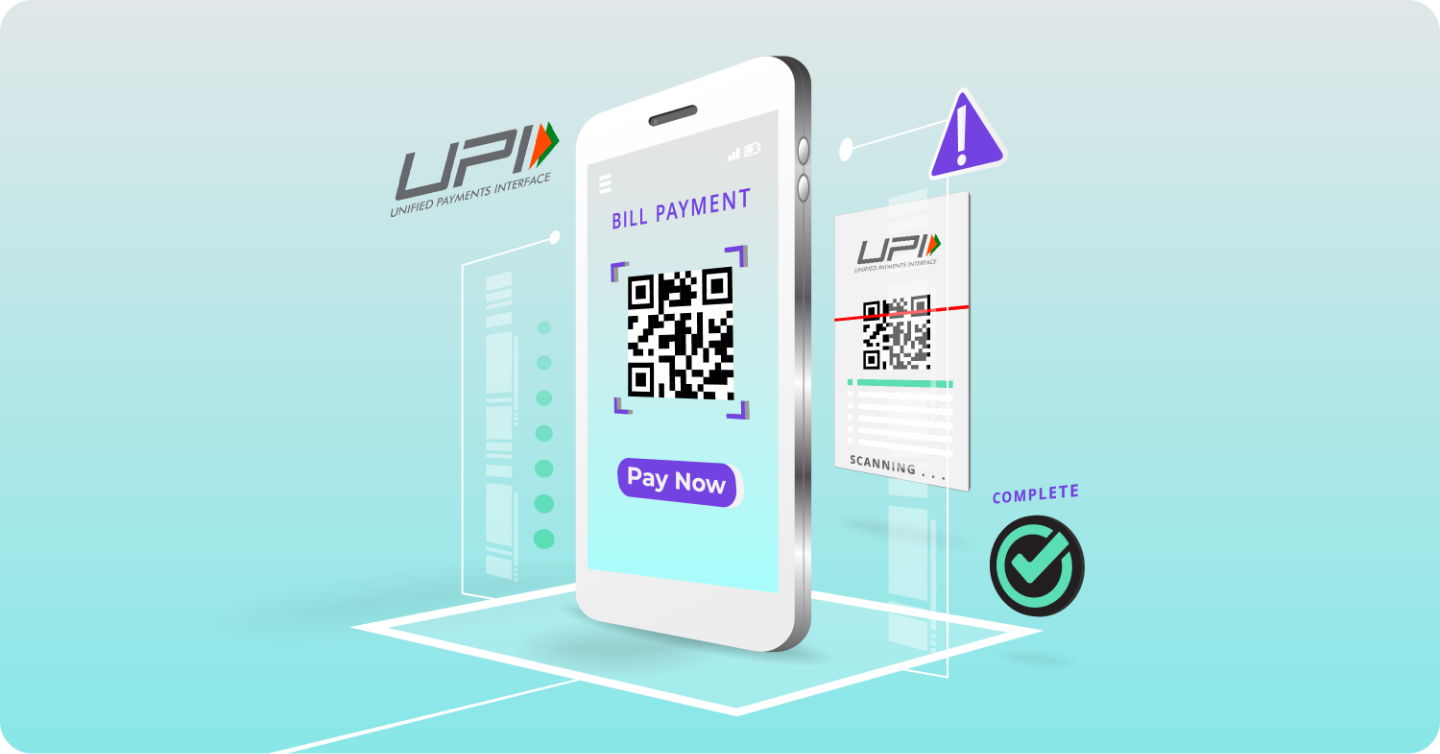

UPI fraud continues to evolve as digital payments become a part of everyday life. Understanding how fake payment screenshots and QR code scams work can help individuals and businesses avoid financial losses and make safer online transactions in 2026.
The rise of fake UPI payment screenshots and QR code scams has become a major concern as millions of Indians rely on digital payment platforms for daily transactions. From roadside vendors and local shops to online sellers and freelancers, fraudsters are exploiting trust by using edited payment confirmations, fake banking apps, and malicious QR codes. Learning to identify these scams is essential for anyone who accepts or makes UPI payments.
India’s Unified Payments Interface (UPI) has transformed digital payments by making money transfers fast and convenient. However, its widespread adoption has also attracted cybercriminals who use increasingly sophisticated tactics to deceive users. While payment apps continue to improve security, awareness remains the first line of defense against fraud.
How Fake UPI Payment Screenshot Scams Work
One of the most common digital payment scams involves fake payment confirmation screenshots. In this fraud, the scammer claims to have transferred money and shows what appears to be a successful payment receipt on their phone.
The screenshot may closely resemble the interface of a genuine UPI app, complete with transaction details, timestamps, and reference numbers. In many cases, these images are edited using photo-editing tools or generated using fake payment applications designed to imitate authentic payment confirmations.
Victims often hand over goods or provide services after seeing the screenshot without verifying whether the money has actually reached their bank account.
The safest approach is simple. Never rely on a screenshot as proof of payment. Always confirm that the amount has been credited to your bank account or that your UPI application reflects a successful incoming transaction before completing the transaction.
Understanding QR Code Scams
QR codes have become a convenient way to receive payments, but scammers have found ways to misuse them.
A common misconception is that scanning a QR code automatically credits money to your account. In reality, scanning a UPI QR code usually initiates a payment request from your account. If someone asks you to scan a QR code to “receive” money, it should immediately raise suspicion.
Fraudsters may also place fake QR code stickers over genuine ones at shops or public places. Customers scanning these altered codes unknowingly send payments to the scammer instead of the intended merchant.
Before making any payment, verify the recipient’s name displayed on your UPI application. If the name does not match the business or individual you intend to pay, cancel the transaction immediately.
Warning Signs That a UPI Payment May Be Fake
Several red flags can help you identify suspicious payment attempts.
Watch for these warning signs:
- The payer insists that the payment has been completed but refuses to wait for confirmation.
- Only a screenshot is shown instead of a successful transaction notification in your own app.
- You receive SMS messages that do not match your bank’s official format.
- The payment confirmation contains spelling mistakes or unusual formatting.
- The transaction ID cannot be verified in your banking or UPI application.
- The sender creates urgency by claiming there is a network issue or server delay.
Genuine digital payments usually appear within moments in your banking application or official payment platform. If you do not see the payment, assume it has not been received until verified.
Best Practices to Stay Safe During UPI Transactions
Protecting yourself from digital payment fraud requires a few simple habits.
Always verify incoming payments directly through your bank account or UPI application instead of trusting screenshots.
Keep your UPI PIN confidential and never share it with anyone. No bank, payment app, or customer support representative will ask for your UPI PIN or OTP.
Update your payment applications regularly to receive the latest security improvements.
Enable app lock, fingerprint authentication, or facial recognition wherever available.
Be cautious when accepting payments from unknown individuals, especially during high-value transactions.
If you own a business, train employees to verify payments before handing over products or services.
What to Do If You Become a Victim
If you suspect a UPI scam, act quickly.
Immediately contact your bank and report the unauthorized transaction.
You can also report cyber financial fraud through the National Cyber Crime Reporting Portal or by calling the national cybercrime helpline 1930 as soon as possible. Early reporting improves the chances of preventing further financial loss.
Keep screenshots of conversations, payment details, and transaction records as evidence while filing your complaint.
If the fraud occurred through a merchant transaction, notify the payment platform involved so appropriate action can be taken.
Why Awareness Is the Strongest Defense
India continues to witness rapid growth in digital payments, making UPI one of the world’s most widely used real-time payment systems. As digital transactions increase, scammers are constantly adapting their methods to exploit human error rather than technical weaknesses.
Understanding how fake payment screenshots and QR code scams operate helps consumers, shop owners, delivery agents, freelancers, and small businesses make informed decisions. Taking a few extra seconds to verify a payment can prevent significant financial losses and discourage fraudsters from succeeding.
Takeaways
- Never treat a payment screenshot as proof that money has been received.
- Verify every UPI payment directly in your bank account or payment app.
- Check the recipient’s name before approving any QR code payment.
- Report suspected cyber fraud immediately to your bank and the national cybercrime helpline.
Frequently Asked Questions
1. Is a payment screenshot enough to confirm a UPI transaction?
No. A screenshot can be edited or fabricated. Always verify the transaction through your bank account or UPI application.
2. Can scanning a QR code receive money?
No. In most cases, scanning a UPI QR code initiates a payment from your account rather than receiving money.
3. What should I do if someone pressures me to accept a payment screenshot?
Politely refuse to complete the transaction until the payment is successfully reflected in your bank account or UPI app.
4. Where can I report UPI fraud in India?
You should immediately contact your bank and report the incident through the National Cyber Crime Reporting Portal or by calling the cybercrime helpline at 1930.