
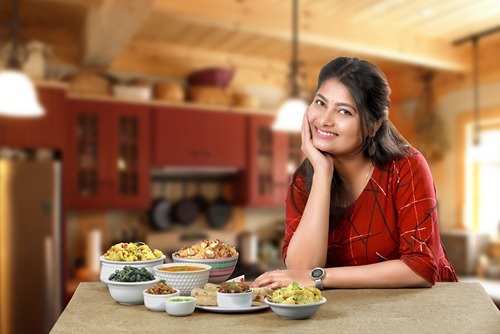

Starting a home-based food business in 2026 has become more accessible due to digital platforms, local demand, and low setup costs. This guide explains how individuals in India, especially in Tier-2 cities, can launch and scale a small food venture with minimal investment.
Starting a small home-based food business in 2026 is a practical way to generate income, especially in Tier-2 and Tier-3 cities where demand for homemade meals, tiffin services, and niche food offerings is growing. With the rise of platforms like Zomato and Swiggy, even small home kitchens can reach a large customer base without heavy upfront investment.
Understanding Legal Requirements and FSSAI Registration
Before launching a home kitchen business, basic compliance is necessary. In India, food businesses must register with the Food Safety and Standards Authority of India. For small home-based setups with low turnover, a basic FSSAI registration is sufficient and relatively inexpensive.
The registration process can be completed online and typically requires identity proof, address proof, and details of the food category. This step builds credibility and allows listing on delivery platforms.
Local municipal rules may also apply, depending on the city. Some Tier-2 cities are simplifying approvals to encourage small businesses, but it is important to verify requirements at the local level.
Choosing the Right Food Business Model for Low Investment
Selecting the right niche is critical for keeping costs low and ensuring demand. Common low-investment models include tiffin services, homemade snacks, cloud kitchen menus, and regional specialty foods.
Tiffin services work well in cities with a large student or working population. Homemade snack brands such as pickles, namkeen, or baked goods can be started with minimal equipment.
Cloud kitchen models allow operators to focus only on delivery without dine-in expenses. Many successful small businesses start with a single cuisine like biryani, North Indian meals, or healthy diet food and scale gradually.
The key is to avoid a broad menu initially. A focused offering reduces ingredient costs, simplifies operations, and improves consistency.
Setting Up Your Kitchen and Managing Costs Efficiently
A home-based food business does not require a commercial kitchen in the beginning. Most entrepreneurs start using their existing kitchen with minor upgrades like better storage, hygiene equipment, and packaging materials.
Initial investment typically goes into raw materials, basic branding, and delivery setup. Keeping packaging simple but functional helps control costs while maintaining quality.
Bulk purchasing of ingredients can reduce per-unit cost. Local suppliers often offer better rates compared to retail stores, especially in Tier-2 cities.
Maintaining hygiene standards is non-negotiable. Clean preparation areas, proper storage, and safe cooking practices directly impact customer trust and repeat orders.
Using Online Platforms and WhatsApp for Orders
Digital platforms have reduced the barrier to entry for food businesses. Listing on Zomato or Swiggy increases visibility, but it also involves commission fees.
An alternative approach is to start with direct orders through WhatsApp and local community groups. Many home-based businesses in cities like Nagpur, Indore, and Surat rely on repeat customers and word-of-mouth marketing.
Social media platforms like Instagram can be used to showcase food items, customer reviews, and daily menus. Short videos and real photos tend to perform better than heavily edited content.
Once order volume increases, businesses can expand to aggregator platforms to scale reach.
Pricing Strategy and Profit Margins for Small Food Businesses
Pricing should balance affordability and profitability. In Tier-2 cities, customers are price sensitive but value quality and portion size.
A simple cost-plus pricing model works well initially. Calculate ingredient cost, packaging, and delivery, then add a reasonable margin. Overpricing can reduce demand, while underpricing affects sustainability.
Offering combo meals or weekly subscriptions can improve order consistency. Tiffin services often benefit from monthly plans that ensure steady revenue.
Tracking daily expenses and revenue is essential. Even a basic spreadsheet can help identify profitable items and reduce waste.
Scaling a Home-Based Food Business in 2026
Once the business gains traction, scaling options include expanding the menu, increasing production capacity, or partnering with delivery platforms.
Hiring one or two helpers can improve efficiency without significantly increasing costs. Investing in better equipment like mixers or ovens can also boost output.
Branding becomes important at this stage. A simple logo, consistent packaging, and clear communication help build recognition.
Some businesses eventually transition into full cloud kitchens or small dine-in outlets, but scaling should be gradual and based on consistent demand.
Takeaways
• A home-based food business in 2026 can start with minimal investment and basic kitchen setup
• FSSAI registration is essential for legal compliance and platform listings
• Focused menus and local demand help maintain profitability in Tier-2 cities
• Digital tools like WhatsApp and Instagram are key for early growth
FAQs
Q1: What is the minimum investment needed to start a home food business in India?
Many home-based food businesses can start with an investment as low as ₹10,000 to ₹50,000 depending on the scale and type of food.
Q2: Is FSSAI registration mandatory for home kitchens?
Yes, even small home-based food businesses must obtain basic FSSAI registration to operate legally.
Q3: Can I run a food business without listing on Zomato or Swiggy?
Yes, many businesses start with direct orders through WhatsApp and local networks before joining delivery platforms.
Q4: Which food items are most profitable for home-based businesses?
Tiffin services, snacks, baked goods, and regional specialties often have strong demand and manageable costs.