
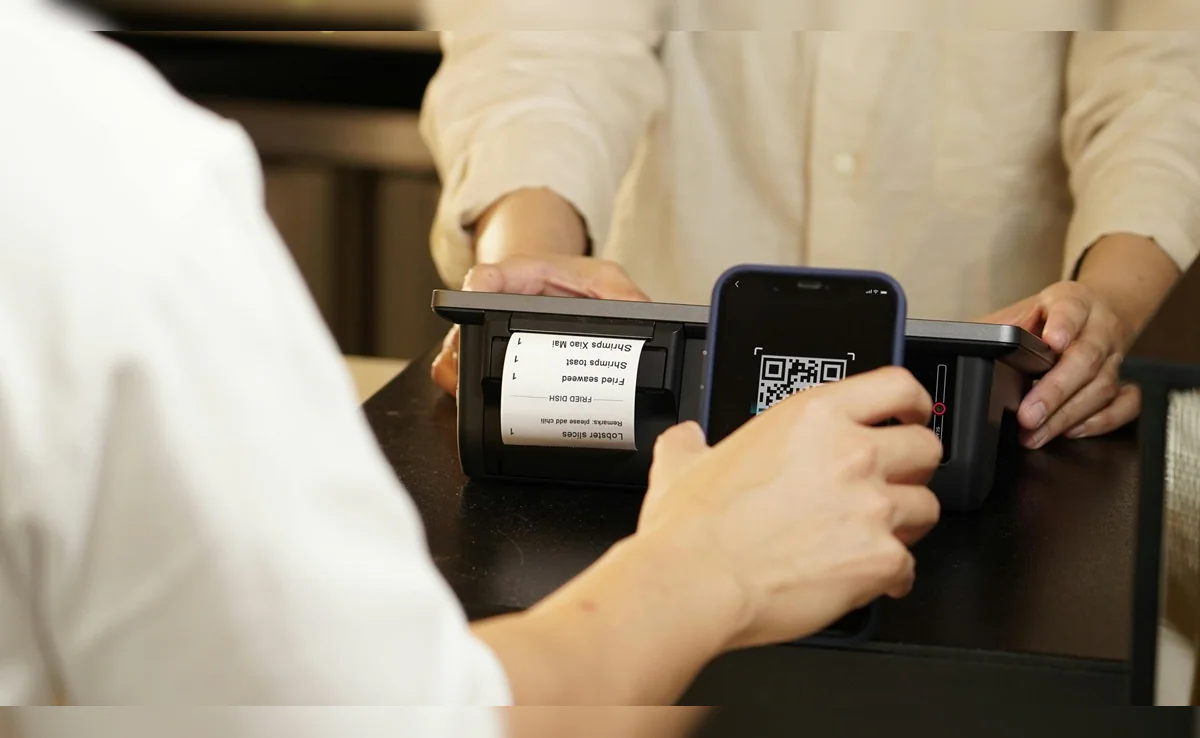

UPI Lite and offline payment solutions are becoming increasingly important for users in India’s small towns and rural regions where internet connectivity can still be inconsistent. As digital payments continue to expand across the country, understanding how to use these tools safely can help users make quick transactions while reducing the risk of fraud and payment failures.
India’s digital payment ecosystem has grown rapidly, and UPI Lite is now emerging as a practical solution for low-value transactions. Designed to work with minimal dependence on real-time banking systems, UPI Lite helps users make faster payments for everyday purchases such as groceries, tea stalls, local transport, and small retail transactions.
What Is UPI Lite and How Does It Work?
UPI Lite is a feature built on the Unified Payments Interface (UPI) framework that allows users to make low-value transactions directly from an on-device balance. Instead of contacting the bank’s core systems for every payment, UPI Lite uses a preloaded balance stored within the supported UPI application.
Users can add money from their bank account into their UPI Lite wallet and use it for smaller payments. Since transactions are processed more efficiently, payment success rates are often better during periods of network congestion.
Several major payment applications in India support UPI Lite, making it accessible to users across urban and rural areas alike.
Why UPI Lite Is Useful in Small Cities and Rural Areas
One of the biggest challenges in many Tier-2, Tier-3, and rural locations is unstable internet connectivity. Although mobile data coverage has improved significantly, payment failures still occur in areas with weak signals.
UPI Lite helps reduce dependence on constant connectivity for small transactions. Local shopkeepers, vegetable vendors, pharmacies, and transport operators increasingly accept digital payments, making quick payment options valuable for everyday use.
For users who frequently make small purchases, UPI Lite can also reduce clutter in bank statements because low-value transactions are handled differently from regular UPI transfers.
Understanding Offline Digital Payments
Offline payments are another important development in India’s digital payment landscape. These systems are designed to enable transactions even when internet access is unavailable or limited.
The Reserve Bank of India has supported various offline payment initiatives to improve financial inclusion, especially in remote regions. Some payment methods may use technologies such as Near Field Communication (NFC), stored-value mechanisms, or feature-phone-based payment services.
Offline payment solutions can be particularly useful during network outages, natural disasters, crowded public events, or travel through remote locations where connectivity is unreliable.
How to Set Up UPI Lite Safely
Before activating UPI Lite, users should ensure that their chosen payment application is genuine and downloaded from official app stores.
Follow these steps:
- Open a trusted UPI application.
- Locate the UPI Lite option.
- Link an eligible bank account.
- Add a small amount initially.
- Set a strong screen lock and app authentication.
- Enable transaction notifications.
Starting with a modest balance is often a good practice, especially for first-time users. This reduces risk while helping users become familiar with the service.
UPI Safety Tips for Rural and Small-Town Users
Digital payment fraud remains a concern across India. Criminals often target users through fake calls, phishing messages, and fraudulent QR codes.
To stay safe:
Never share your UPI PIN with anyone.
Banks, payment apps, and government agencies never ask for UPI PINs over phone calls or messages.
Verify QR codes before scanning. Fraudsters sometimes place fake QR stickers over genuine merchant codes.
Avoid clicking unknown payment links received through messaging apps.
Keep payment applications updated to receive the latest security improvements.
Check transaction alerts immediately and report suspicious activity without delay.
These simple precautions can significantly reduce the risk of financial loss.
Common Mistakes People Should Avoid
Many users unknowingly compromise their security by following unsafe practices.
A common mistake is sharing mobile phones with unlocked payment apps. Another is storing UPI PINs in notes or messaging applications.
Some users also assume that receiving money requires entering a UPI PIN. In reality, a UPI PIN is required only when sending money. Any request asking for a PIN to receive funds is likely a scam.
Using public Wi-Fi networks for financial transactions should also be avoided whenever possible.
The Future of Digital Payments in Rural India
India’s digital payment infrastructure continues to expand through better mobile coverage, growing smartphone adoption, and increased awareness of financial technology.
Government initiatives, banking innovation, and fintech development are helping bring secure payment solutions to underserved regions. UPI Lite and offline payment technologies are expected to play a significant role in improving financial accessibility for millions of users in smaller towns and villages.
As digital literacy improves, more consumers and local businesses are likely to adopt these convenient payment methods for everyday transactions.
Key Takeaways
• UPI Lite enables faster low-value payments using a preloaded balance.
• Offline payment solutions can help users transact during weak or unavailable internet connectivity.
• Never share your UPI PIN, OTP, or banking credentials with anyone.
• Download payment applications only from official and trusted sources.
FAQ
Q1. What is the main benefit of UPI Lite?
UPI Lite allows users to make small-value transactions quickly without relying on bank processing for every payment.
Q2. Can UPI Lite work without internet?
UPI Lite itself generally requires some connectivity for setup and balance loading, but it is designed to improve payment efficiency. Separate offline payment technologies may support transactions during internet disruptions.
Q3. Is UPI Lite safe to use?
Yes, UPI Lite is considered safe when used through authorized applications and when users follow standard digital payment security practices.
Q4. What should I do if I receive a call asking for my UPI PIN?
Never share your UPI PIN. End the call immediately and report suspicious activity to your bank or payment service provider.
(Keyword Suggestions: UPI Lite 2026, offline payments India, digital payments rural India, UPI safety tips, UPI Lite benefits, secure online payments, rural fintech India, UPI fraud prevention, digital banking India, UPI for small towns)