
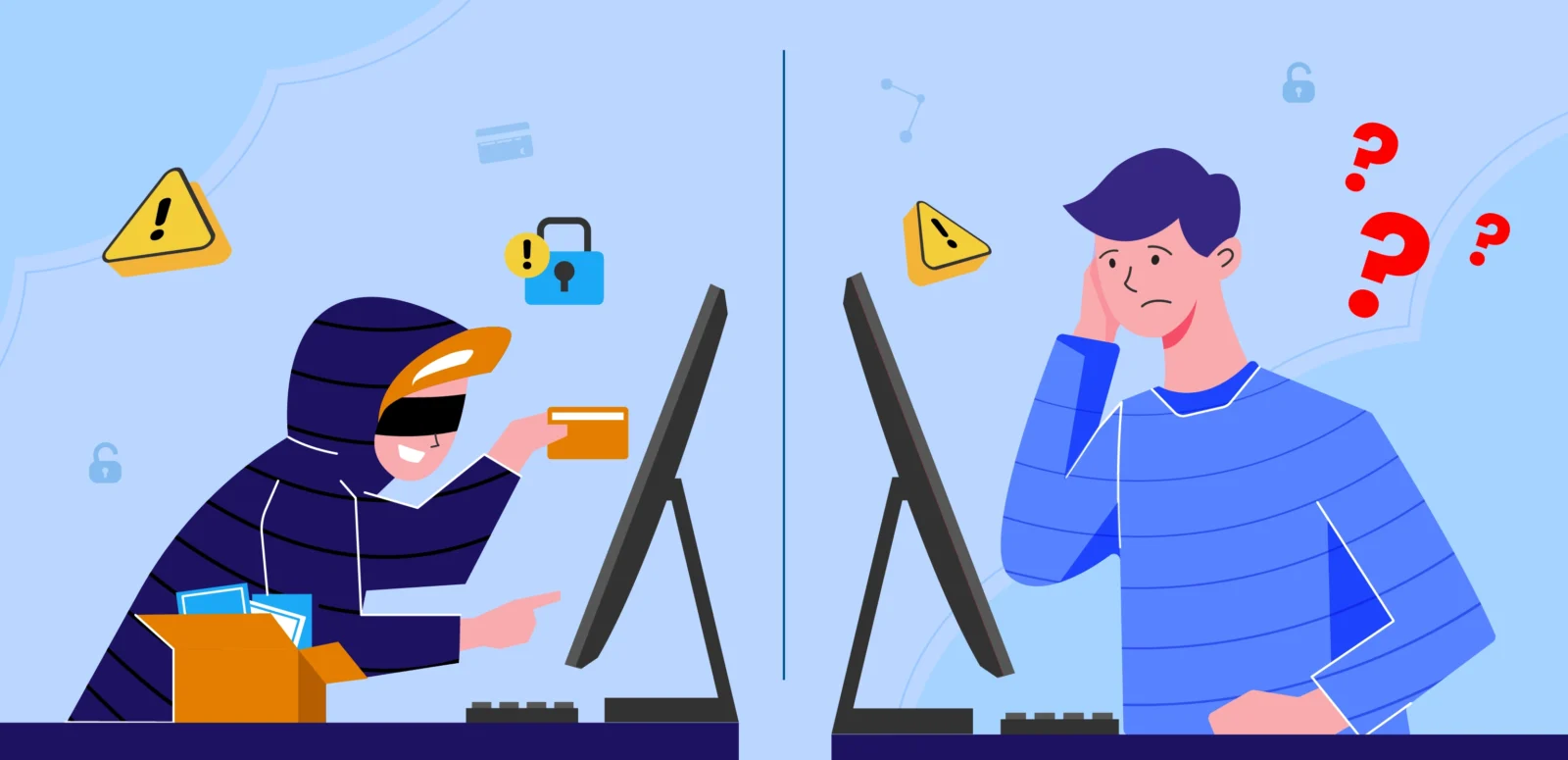

Digital payment frauds and fake loan apps have become a growing concern across India as more people use smartphones, UPI, and online banking services. Understanding how these scams work and learning basic safety practices can help users avoid financial losses, identity theft, and online harassment.
Digital payment fraud is one of the fastest-growing cybercrime categories in India. With UPI transactions reaching record levels and digital lending becoming more accessible, fraudsters are increasingly targeting users through fake loan apps, phishing links, QR code scams, and impersonation calls. While digital financial services have made payments and borrowing easier, they have also created opportunities for cybercriminals to exploit unsuspecting users.
Why Digital Payment Frauds Are Increasing in India
The rapid adoption of digital payments has transformed how Indians transfer money, shop online, and pay bills. From metro cities to rural villages, UPI and mobile banking have become part of everyday life.
However, cybercriminals often target users who are unfamiliar with online security practices. Fraudsters use social engineering techniques to create urgency and manipulate victims into sharing sensitive information. Common targets include first-time digital payment users, senior citizens, students, and individuals seeking quick personal loans.
The rise of instant lending platforms has also led to the emergence of fake loan applications that promise fast approvals but are designed to steal personal data or extort money from borrowers.
Common Types of UPI and Digital Payment Scams
Understanding common scams is the first step toward protecting yourself.
One of the most frequent frauds involves fake customer care calls. Scammers pretend to represent banks, payment apps, or government agencies and ask users to share OTPs, UPI PINs, or debit card details.
QR code scams are another major threat. Fraudsters send a QR code claiming that scanning it will help users receive money. In reality, scanning a payment QR code and entering a UPI PIN authorizes a payment from the user’s account.
Screen-sharing app scams have also increased. Victims are persuaded to install remote access applications, allowing fraudsters to view sensitive information and gain control of devices.
Phishing links sent through SMS, WhatsApp, email, or social media remain a common tactic for stealing banking credentials.
How Fake Loan Apps Trap Borrowers
Fake loan apps often advertise instant approval, minimal documentation, and quick disbursement. These promises can appear attractive to individuals facing urgent financial needs.
Many fraudulent apps request excessive permissions, including access to contacts, photos, messages, and device storage. Once installed, they collect personal information that can later be misused.
In some cases, scammers issue small loans and then demand excessive repayments with hidden charges. Borrowers may face threatening calls, abusive messages, and blackmail tactics if they fail to comply.
Users should remember that legitimate lenders operate under regulatory frameworks and follow established lending practices. Any app offering guaranteed approval without proper verification should raise concerns.
How to Verify Whether a Loan App Is Genuine
Before downloading any lending application, users should verify whether the lender is associated with a regulated financial institution.
Check the lender’s official website and review company details. Read app store reviews carefully, paying attention to repeated complaints about harassment, hidden fees, or suspicious permissions.
Users should also examine the privacy policy and terms of service before providing personal information.
Avoid downloading loan applications through links received on WhatsApp, Telegram, SMS, or social media advertisements from unknown sources.
Taking a few minutes to verify authenticity can prevent significant financial and personal damage.
Essential Digital Payment Safety Tips
Several simple habits can dramatically reduce the risk of fraud.
Never share your UPI PIN, OTP, CVV, or banking passwords with anyone. Banks and payment providers never request such information over calls or messages.
Enable screen locks, biometric authentication, and app-specific security features on your smartphone.
Keep banking and payment applications updated to benefit from the latest security patches.
Review transaction alerts regularly and report suspicious activity immediately.
Avoid conducting financial transactions using public Wi-Fi networks whenever possible.
If a caller pressures you to act urgently or threatens account suspension, disconnect the call and contact your bank directly using official channels.
What to Do If You Become a Victim
If you suspect unauthorized transactions or believe your information has been compromised, act quickly.
Contact your bank or payment provider immediately to block access and secure your account. Change passwords and PINs without delay.
Report cybercrime through the National Cyber Crime Reporting Portal or contact the cybercrime helpline. Prompt reporting can improve the chances of preventing further losses.
Keep screenshots, transaction records, and communication evidence that may assist investigators.
The faster users respond, the greater the likelihood of limiting financial damage.
Key Takeaways
• Never share your UPI PIN, OTP, passwords, or card details with anyone.
• Verify loan apps carefully before downloading or submitting personal information.
• Be cautious of QR code scams, phishing links, and fake customer care calls.
• Report suspicious transactions immediately to your bank and cybercrime authorities.
FAQ
Q1. Can a bank employee ask for my UPI PIN or OTP?
No. Banks and payment service providers never ask customers to share UPI PINs, OTPs, passwords, or CVV numbers.
Q2. How can I identify a fake loan app?
Fake loan apps often promise guaranteed approval, request excessive permissions, charge hidden fees, and use aggressive collection tactics.
Q3. Is scanning a QR code always safe?
No. Fraudsters can use QR codes to initiate payments. Always verify the purpose before scanning and never enter your UPI PIN unless you are intentionally making a payment.
Q4. What should I do after falling victim to a digital payment scam?
Contact your bank immediately, secure your accounts, change passwords, and report the incident through official cybercrime reporting channels.
(Keyword Suggestions: digital payment frauds India, fake loan apps, UPI fraud prevention, online banking security, cybercrime awareness, QR code scams, phishing attacks India, safe digital payments, financial fraud protection, online loan scam warning)