
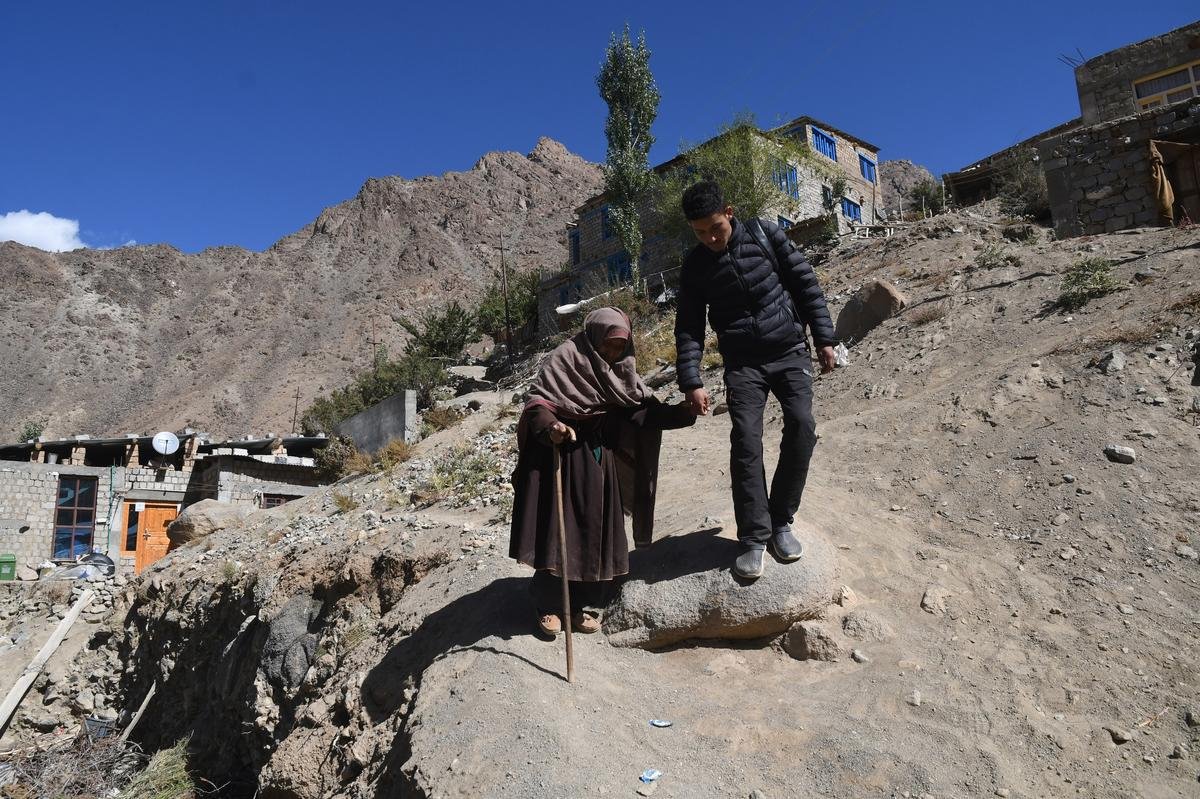

Ladakh has dissolved the existing Kargil Autonomous Hill Development Council amid district reorganisation and announced panchayat elections for November 21, 2026. The administration has also notified 100 constituencies across eight hill councils, marking a significant change in local governance.
Ladakh Dissolves Kargil Hill Council Amid Administrative Changes
The Ladakh administration has dissolved the Ladakh Autonomous Hill Development Council (LAHDC), Kargil, with immediate effect, introducing a major change in the Union Territory’s local governance structure. The decision was announced on October 21, 2026, following the reorganisation of districts and changes to the framework governing hill councils.
The development comes alongside the announcement of panchayat elections across Ladakh, scheduled for November 21. The administration has also notified 100 elected constituencies across eight Autonomous Hill Development Councils, replacing the earlier arrangement under which Leh and Kargil had separate hill councils.
The dissolution follows the resignation of Kargil’s Chief Executive Councillor, three executive councillors and six other councillors on October 20. Officials cited the reorganisation of district boundaries and the resulting need for a revised administrative arrangement.
The changes are significant because hill councils play an important role in local development and administration. The new framework is expected to reshape how district-level representation and development responsibilities are organised across Ladakh.
Why Was the Kargil Hill Council Dissolved?
According to reports on the administration’s decision, the creation of new districts has made the existing Kargil council’s territorial and institutional structure unsuitable for the revised arrangement.
Drass, Zanskar and Sankoo are among the areas identified in the reorganisation of the former Kargil district. The creation of separate administrative units has prompted changes to the territorial framework under which hill councils operate.
The administration has stated that the dissolution was necessary to accommodate the new structure and establish separate councils for the newly constituted districts. The decision was issued under the Ladakh Autonomous Hill Development Councils Act, 1997, as amended.
Following the dissolution, the Deputy Commissioner-cum-Chief Executive Officer of Kargil will assume the council’s powers, duties and functions on an interim basis. This arrangement is intended to maintain administrative continuity until separate hill development councils are constituted under the applicable law and rules.
The interim arrangement means that the former council’s elected and nominated members will no longer exercise their previous powers. The administration will oversee the functions formerly handled by the council during the transition.
Ladakh Notifies 100 Constituencies Across Eight Hill Councils
Another major development is the notification of 100 elected constituencies across eight Autonomous Hill Development Councils in Ladakh. The revised framework expands the number of constituencies from the earlier total of 52 councillors to 100.
The proposed distribution is as follows:
- Leh: 22 constituencies
- Kargil: 21 constituencies
- Sankoo: 13 constituencies
- Changthang: 10 constituencies
- Nubra: 9 constituencies
- Sham: 9 constituencies
- Zanskar: 9 constituencies
- Drass: 7 constituencies
The administration has described the distribution as an effort to provide a more balanced structure for representation across the region. The allocation takes account of electoral population and geographical area, with panchayat halqas and municipal wards used as foundational units.
The expansion is intended to provide a framework for separate hill councils across Ladakh’s eight districts. However, the notification of constituencies should not be confused with the announcement of polling dates for these councils. The November 21 election schedule announced separately applies to panchayat elections.
Panchayat Elections Scheduled for November 21, 2026
The State Election Commission of Ladakh has announced general elections to panchayat halqas across the Union Territory. Polling is scheduled for November 21, 2026, with the entire election process expected to conclude by November 30.
The election schedule outlines several important dates for candidates and political parties:
- October 26: Election notifications are scheduled to be issued.
- November 2: Last date for filing nomination papers.
- November 3: Scrutiny of nomination papers.
- November 5: Last date for withdrawal of nominations.
- November 21: Polling day.
- November 30: Deadline for completion of the election process.
The elections will follow the previous general panchayat polls held in November 2018. The gap between the two elections makes the upcoming exercise an important development for grassroots representation in Ladakh.
The State Election Commission has also brought the Model Code of Conduct into force with immediate effect. Candidates, political parties and public officials are required to follow the applicable rules during the election period.
What the Model Code of Conduct Means
The Model Code of Conduct establishes rules intended to support fair campaigning and prevent the misuse of public resources during elections.
Under the directions reported by the State Election Commission, public servants must maintain political neutrality and refrain from campaigning for or against candidates and political parties.
The code also restricts practices such as bribery, voter intimidation, communal campaigning and the use of places of worship for election propaganda. Restrictions apply to campaigning near polling stations, and public meetings are prohibited during the 48 hours before the close of polling.
Political parties and candidates must obtain the necessary permissions for meetings and processions. They are also expected to avoid obstructing rival parties and to comply with the commission’s instructions.
These rules are particularly important during local elections, where candidates often campaign through direct contact with residents and community networks. The commission’s directions are intended to ensure that the electoral process is conducted without undue influence or misuse of official machinery.
Political Concerns Over the New Hill Council Structure
The restructuring has also generated political debate in Ladakh. Leaders associated with the Leh Apex Body and the Kargil Democratic Alliance have raised concerns about the revised framework and its implications for local autonomy.
These groups have been involved in demands for constitutional safeguards and a stronger elected governance structure for Ladakh. Their concerns include allegations that changes to the hill council framework could reduce the councils’ powers and increase the influence of the Union Territory administration.
The administration, meanwhile, has presented the changes as an adjustment intended to accommodate the new districts and improve the distribution of representation.
The distinction between these positions is important. The increase in the number of elected constituencies is a confirmed administrative change, while claims about the practical effect on autonomy and decision-making remain matters of political debate.
The impact will depend on the applicable legal framework, the powers assigned to the new councils and how the revised structure operates after implementation.
What the Changes Mean for Residents of Ladakh
For residents, the restructuring could affect how local development priorities are represented and administered. Hill councils have responsibilities connected with local planning and development, while panchayats provide grassroots representation at the village level.
The interim arrangement in Kargil is intended to ensure that administrative functions continue while the new council structure is established. Residents may nevertheless want to follow official announcements regarding the constitution of separate councils and the distribution of responsibilities among administrative units.
The November panchayat elections will provide another opportunity for residents to participate in local governance. Voters and prospective candidates should check official election notifications for eligibility requirements, nomination procedures, polling arrangements and other relevant details.
The coming weeks will therefore be important for both the administrative transition and the electoral process. Further official notifications will clarify how the revised framework is implemented across Ladakh.
Key Takeaways
- The Ladakh administration dissolved the existing Kargil Autonomous Hill Development Council with immediate effect on October 21, 2026.
- The revised framework provides for 100 elected constituencies across eight hill councils.
- Panchayat elections across Ladakh are scheduled for November 21, with the election process due to conclude by November 30.
- The Deputy Commissioner-cum-Chief Executive Officer of Kargil will oversee the former council’s functions temporarily until the new arrangement is established.
Frequently Asked Questions
1. Why was the Kargil Hill Council dissolved?
The administration cited district reorganisation, the creation of new districts and the need to establish a revised framework for hill councils. The dissolution also followed the resignation of several members of the existing council.
2. When will panchayat elections take place in Ladakh?
Polling is scheduled for November 21, 2026. The election process is expected to be completed by November 30.
3. How many constituencies have been notified for Ladakh’s hill councils?
The administration has notified 100 elected constituencies across eight hill councils: Leh, Kargil, Sankoo, Changthang, Nubra, Sham, Zanskar and Drass.
4. Who will handle the Kargil council’s functions after its dissolution?
The Deputy Commissioner-cum-Chief Executive Officer of Kargil will assume the council’s powers, duties and functions on an interim basis until separate hill development councils are constituted under the applicable legal framework.