
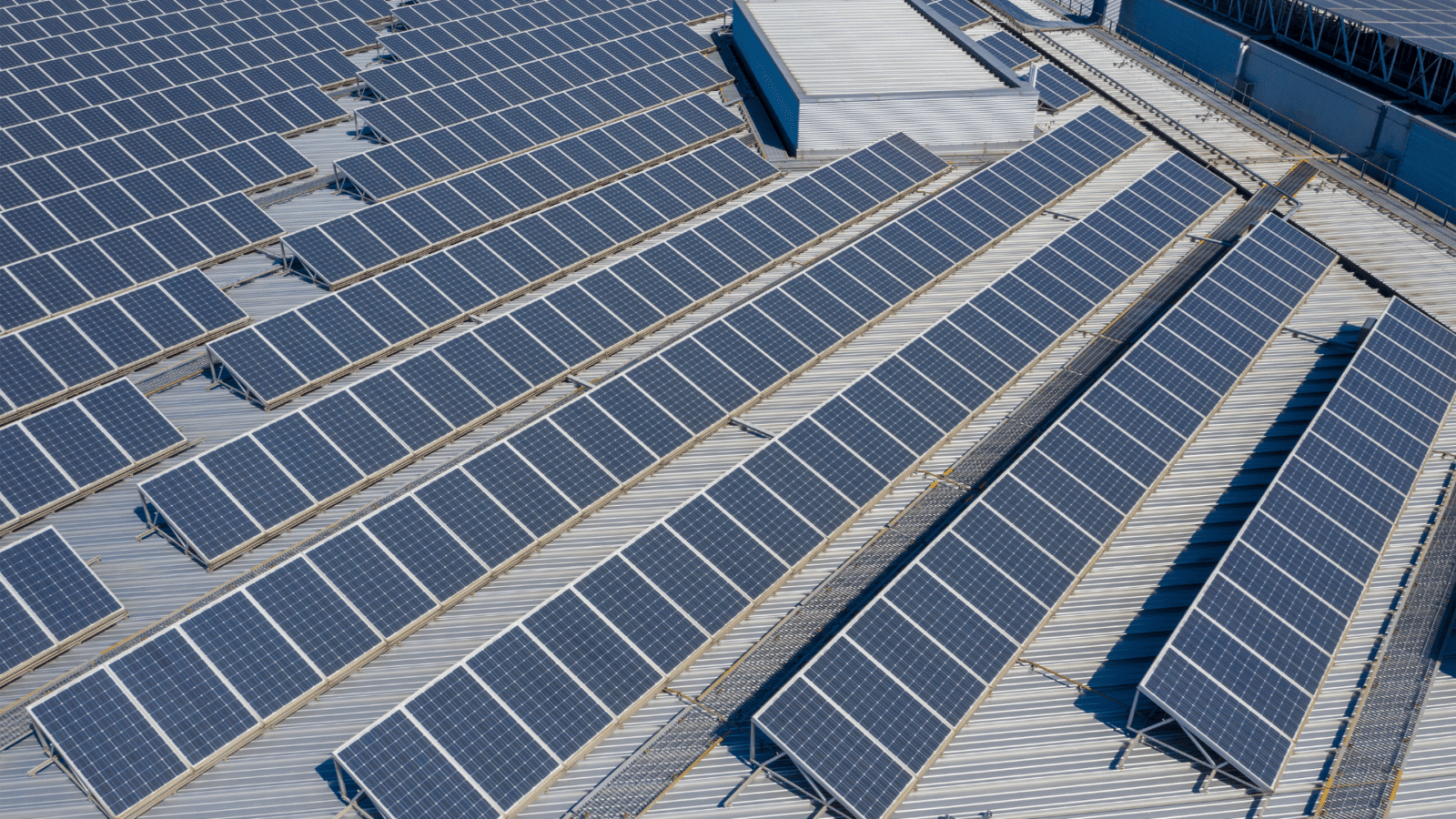

Local MSMEs are exploring solar rooftop subsidy schemes to reduce electricity expenses and improve long term operating margins. The main keyword is solar rooftop subsidy schemes. Rising power tariffs, production cost pressure, and push toward cleaner energy adoption are driving small manufacturers and service units in Tier 2 industrial clusters to evaluate payback potential.
Small workshops, textile units, fabrication centers, cold storage units, grain mills, packaging units, and printing presses often spend a significant portion of monthly operating cost on electricity. Solar rooftop systems allow partial or full offset of grid consumption, depending on plant size and roof capacity. Government incentives are making adoption more financially practical, but ROI varies based on state policy, tariff rates, and load usage pattern.
Understanding Solar Rooftop Subsidy Structure
Subsidies for rooftop solar are provided under MNRE linked schemes for domestic users, while MSMEs receive benefits through state energy departments, distribution company incentives, or accelerated depreciation under the Income Tax Act. Commercial subsidy availability differs by state. Some states offer capital subsidy for system installation, while others offer performance-based incentives or net metering benefits. Subsidy percentage for commercial units is generally lower than residential systems, but combined incentives such as reduced GST on components and depreciation claims improve overall cost calculations.
For many MSMEs, the deciding factor is whether net metering is allowed in the region. Net metering permits users to export surplus power back to the grid, offsetting future electricity bills. Where net metering is restricted, units may need to size systems only for daytime running load, limiting potential savings. Therefore, policy clarity is part of the ROI planning process.
Typical System Cost And Payback Considerations
A typical MSME rooftop system ranges between 10 kW and 100 kW depending on plant size and roof area. System cost per kW varies based on module type, inverter quality, mounting structure, and local vendor pricing. Post-subsidy or incentive adjustment, MSME owners often evaluate payback based on monthly electricity bill reduction. If a unit pays a commercial tariff, savings can be substantial because commercial tariffs are generally higher than household slabs.
For example, a unit consuming 600 to 1200 units per day for machinery and lighting can offset 20 to 60 percent of its load with rooftop solar during working hours. If net metering is active and the plant has weekend downtime, surplus power can be exported. Payback periods average between three to six years depending on tariff rates, irradiation levels, and subsidy access. After payback, electricity generated is effectively low cost for the life of the system, which typically ranges from 20 to 25 years.
Maintenance And Operational Requirements
Solar rooftop systems require minimal maintenance. Basic cleaning of panels every 7 to 15 days, depending on dust conditions, ensures efficiency. Electrical inspection and inverter servicing are usually annual. MSMEs need to ensure proper earthing and surge protection to avoid failures during voltage fluctuations. In industrial areas where dust and smoke intensity is high, cleaning frequency may need to increase. Vendors who offer long term maintenance contracts are preferred for stable performance. Remote monitoring apps are now common, allowing owners to track energy generation and savings in real time.
Financing Options For MSMEs
Banks and NBFCs offer loans specifically for rooftop solar systems, often categorized under priority sector lending. Interest rates vary, but repayment periods generally range from three to seven years. Some MSMEs also use internal funds to accelerate payback benefits. Leasing models are emerging where a third party installs the system and the MSME pays monthly charges lower than existing electricity bills. This requires less upfront capital investment but delivers slower long term savings. Selection depends on cash flow strategy and desired ownership control.
State Level Policy Differences
Policy details differ significantly by state. Some states offer simplified net metering approvals and quick inspection clearance through online application portals. Others have bureaucratic delays that increase project timeline. Industrial clusters where state discoms encourage rooftop solar adoption see faster deployment. Regions with grid congestion or feeder limitations may impose capacity restrictions. MSMEs should verify current state wise circulars rather than relying on vendor claims. Local industry associations and MSME facilitation centers often issue updated guidance on approvals and subsidy eligibility.
Calculating ROI For A Small Manufacturing Unit
To calculate ROI accurately, MSMEs should track:
Monthly electricity consumption in units
Daytime load vs nighttime load
Solar generation potential based on roof direction and shade
Cost of system installation after subsidy adjustments
State tariff rate and demand charge rates
Expected annual degradation of panel efficiency
Return can be computed by comparing pre-installation electricity cost to projected monthly saving. Payback period ends when cumulative savings equal total investment. After that, savings become margin enhancement.
Common Misconceptions And Reality Check
Some MSMEs assume solar alone can replace all grid dependence. In reality, complete off-grid setups require battery storage, which increases cost. Most small industries adopt grid-connected systems without batteries to maximize cost-effectiveness. Some also believe that subsidy approval is automatic; however, documentation and inspection compliance are necessary. Vendor reputation and warranty support are critical to avoid performance issues.
Takeaways
• Solar rooftop systems help MSMEs lower electricity expenses and improve operating margins.
• Subsidy benefits vary by state, and net metering policy strongly affects ROI.
• Typical payback period ranges from three to six years depending on tariff and usage.
• Maintenance is minimal but requires regular cleaning and monitoring.
FAQs
Do MSMEs get the same subsidy as households?
No. Residential subsidies are higher. MSMEs rely more on state incentives, net metering benefits, and accelerated depreciation advantages.
Can solar fully replace grid electricity?
Only if battery storage is added, which increases cost. Most MSMEs use grid-connected systems that reduce but do not eliminate grid usage.
How much roof area is needed for installation?
Approximately 100 square feet per kW of solar capacity, depending on mounting structure design.
Is the subsidy process quick?
Processing times vary by state. Documentation accuracy and vendor experience significantly influence approval timeline.