
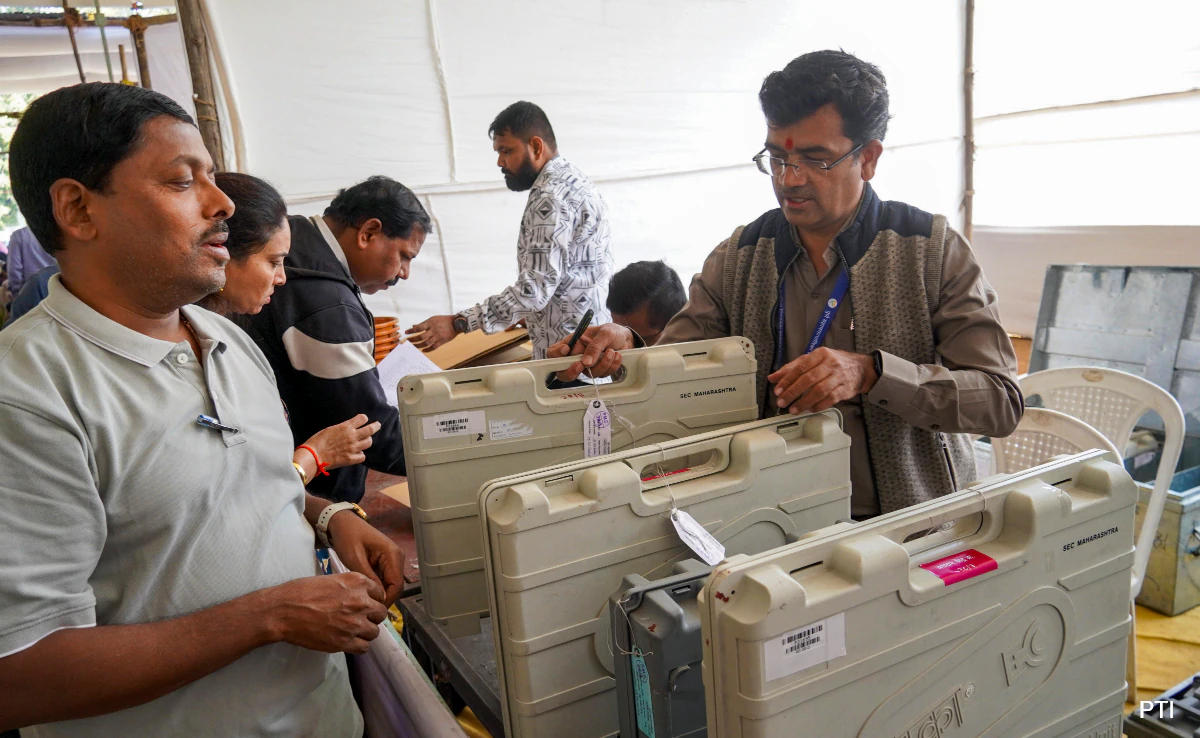

Maharashtra civic polls live updates are closely tracking voter turnout trends and early indicators from BMC and other municipal bodies across the state. As polling unfolds, participation levels and ward level patterns are offering the first signals on urban voter engagement and local political momentum.
This is a time sensitive news topic. The tone here is factual and reporting driven, focusing on turnout behaviour, administrative preparedness, and early observations without speculation or final results.
Voter turnout patterns emerging across major cities
Early data from Maharashtra civic polls indicates mixed turnout trends across municipal corporations. Large urban centres like Mumbai, Pune, and Thane are witnessing moderate morning turnout, with gradual increases as polling progresses. Historically, urban civic elections see lower participation compared to state or national polls, and early indicators suggest this pattern may continue.
In several wards, turnout has been higher in residential dominated areas compared to commercial zones. Senior citizens and long term residents appear more consistent in voting, while younger voters show slower participation during early hours. Election officials expect turnout to rise post noon as work related constraints ease.
BMC polls turnout trends and ward level observations
BMC polls remain the focal point of Maharashtra civic elections due to the corporation’s scale and influence. Early turnout figures from Mumbai show uneven participation across wards. Island city areas with stable residential populations are reporting steadier voter flow, while suburban wards with larger migrant populations are showing slower movement.
Polling booths in high density areas have reported brief queues during morning hours, indicating localized interest. Election staff presence and booth management have largely remained smooth, reducing delays that often discourage urban voters.
Turnout trends here will be critical in shaping ward level outcomes, as even small percentage shifts can influence closely contested seats.
Pune and Thane municipal bodies show cautious participation
Pune municipal areas are reflecting cautious but orderly voting behaviour. Turnout during early hours has been average, with civic officials noting better participation in older residential pockets compared to newly developed localities.
Thane has reported similar trends, with voters gradually arriving rather than early rushes. Election management in both cities has been largely incident free so far, with adequate staffing and clear booth signage contributing to smoother operations.
These patterns suggest voter engagement is present but not urgent, a recurring theme in municipal elections.
Role of local issues in driving turnout
Municipal elections are driven more by hyper local issues than party narratives. In this election cycle, issues such as road conditions, water supply, waste management, and property tax assessments are influencing voter motivation.
Early indicators suggest that wards facing recent civic disruptions or infrastructure complaints are showing relatively higher turnout. Conversely, areas without immediate civic stress appear less mobilised.
This correlation highlights how local governance performance directly affects participation in municipal polls.
Impact of polling day arrangements on voter behaviour
Polling day arrangements play a significant role in turnout trends. In Maharashtra civic polls, polling day being treated as a local holiday in many areas has helped reduce workplace constraints, though compliance varies across private establishments.
Accessibility factors such as booth proximity, crowd management, and assistance for senior citizens are influencing voter comfort. In booths where queues move efficiently, voters are more willing to participate even during peak hours.
Weather conditions and traffic diversions also shape turnout, particularly in large cities where travel time discourages marginal voters.
Early indicators from smaller municipal bodies
Beyond major cities, smaller municipal bodies across Maharashtra are showing comparatively better engagement. Tier 2 and Tier 3 towns often display stronger civic participation due to closer voter representative connections.
In these areas, early turnout figures are more encouraging, with community driven mobilisation and local candidate familiarity playing a role. This contrast between metros and smaller cities remains a consistent feature of civic elections.
Early indicators from these towns may influence broader interpretations of urban voter sentiment beyond metropolitan narratives.
Administrative preparedness and polling conduct
So far, polling conduct across Maharashtra civic polls has been largely smooth. Election staff deployment, security presence, and voter assistance mechanisms are functioning as planned. Minor issues such as voter list clarifications and queue management have been resolved at the booth level.
No major disruptions have been reported during early hours. The absence of large scale incidents helps maintain voter confidence and prevents suppression of turnout due to uncertainty or fear.
Administrative efficiency remains a silent but crucial factor in shaping overall participation levels.
What turnout trends may signal going forward
Turnout trends in Maharashtra civic polls often influence post election narratives. Higher participation generally strengthens the mandate of elected bodies, while low turnout raises questions about urban civic engagement.
Early indicators suggest steady but unspectacular participation in major cities, with stronger engagement in smaller municipalities. Final turnout figures will determine whether this election cycle reflects voter fatigue or cautious involvement.
As polling progresses into later hours, the turnout curve will offer clearer insight into whether urban voters are re engaging with local governance or remaining disengaged.
Takeaways
Urban civic polls show moderate early turnout across Maharashtra
BMC wards display uneven participation patterns
Local issues influence turnout more than party identity
Smaller municipal bodies report relatively higher voter engagement
FAQs
Are Maharashtra civic polls turnout levels usually low?
Yes. Municipal elections typically see lower turnout than state or national elections, especially in large cities.
Which areas are showing higher participation so far?
Residential wards and smaller municipal bodies are reporting steadier voter participation compared to commercial or migrant heavy areas.
Does early turnout predict final results?
Not conclusively. Final turnout often rises later in the day, especially in urban areas.
Why are BMC polls closely watched?
BMC is one of the largest municipal corporations in India, and its results significantly impact urban governance and political narratives.