
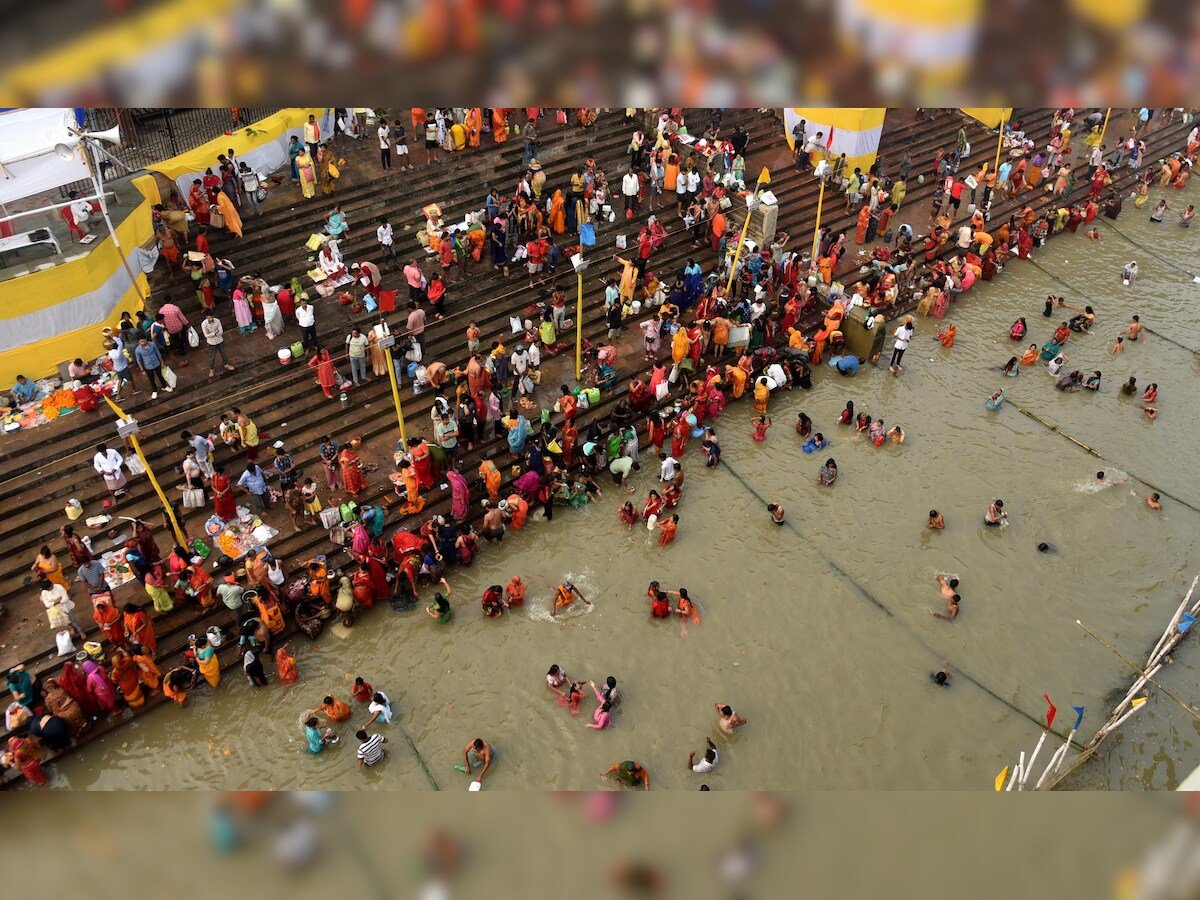

Phagunotsav in Patna has begun with cultural performances, traditional music and vibrant gatherings that reflect Bihar’s deep rooted spring traditions. As the festival marks the arrival of Phagun, local communities are blending folk customs with organized city events this year.
Phagunotsav in Patna is a time sensitive cultural celebration linked to the Hindu calendar month of Phalguna, which precedes Holi. The festival carries strong regional significance in Bihar, especially in Patna and surrounding districts. This year, celebrations include organized programs at public auditoriums, neighborhood cultural events and devotional gatherings that highlight Bhojpuri and Maithili heritage.
Cultural Significance of Phagun in Bihar
Phagun is associated with the onset of spring and the gradual transition from winter. In Bihar, it traditionally brings folk songs, community gatherings and preparations for Holi. The festival reflects agrarian rhythms, as rabi crops approach maturity and rural communities prepare for harvest.
In Patna, the urban version of Phagunotsav blends rural folk elements with structured stage programs. Artists perform traditional Phag songs that celebrate love, nature and devotion. These songs are often accompanied by dholak, harmonium and manjira, creating a distinct festive atmosphere.
Unlike commercialized events in metros, Phagunotsav in Bihar retains a community driven identity. The focus remains on cultural expression rather than large scale branding or ticketed concerts.
Events and Performances in Patna This Year
This year, Patna has witnessed organized Phagunotsav programs at cultural venues such as Gyan Bhawan and community halls. Local cultural departments and art groups have curated performances featuring classical dance, folk recitals and poetry sessions.
Bhojpuri and Maithili folk music remain central attractions. Traditional Phag geet performances have drawn large audiences, particularly families and senior citizens who associate the festival with nostalgia.
Youth participation has also increased. College cultural societies have organized campus based Phagunotsav evenings with dance, open mic poetry and group singing sessions. This reflects a renewed interest among younger generations in regional art forms.
Street level celebrations continue in residential colonies, where residents gather for informal singing sessions and color themed decor. Markets in Patna have reported higher demand for traditional attire and Holi related items as the festive season approaches.
Economic Impact on Local Vendors and Artisans
Festivals like Phagunotsav create short term economic activity for small vendors, artisans and event organizers. Shops selling ethnic wear, musical instruments and decorative items see seasonal demand.
Local sweet shops report increased sales of gujiya, malpua and other traditional items associated with the Holi season. Flower vendors and decor suppliers also benefit from community events and stage programs.
In Tier 2 cities such as Patna, such cultural festivals play a role in supporting micro enterprises. Event management teams, sound technicians and stage decorators often depend on seasonal celebrations for income.
Tourism remains modest compared to major national festivals, but local cultural events contribute to the city’s social vibrancy and regional identity.
Community Participation and Social Harmony
Phagunotsav in Patna is not limited to a single demographic group. Families, students, artists and local leaders often participate together. Cultural inclusivity remains a defining feature.
In many neighborhoods, women led groups organize folk singing sessions. These gatherings preserve traditional lyrics passed down across generations. Such initiatives help sustain intangible cultural heritage.
The festival also serves as a social connector. In smaller towns and urban pockets, community events encourage interaction among residents who may otherwise remain socially distant.
Security arrangements in organized venues ensure smooth conduct of events. Authorities typically coordinate to manage crowd flow and maintain public order during large gatherings.
How Phagunotsav Connects to Holi Celebrations
Phagunotsav acts as a cultural prelude to Holi. While Holi is known for color play and large scale celebration, Phagun focuses more on music and seasonal symbolism.
The songs performed during Phagunotsav often reference Radha and Krishna, seasonal romance and village life. These themes set the emotional tone for Holi festivities.
In Patna, many cultural groups schedule Phagun programs in the weeks leading up to Holi. This extended celebration period allows communities to engage gradually rather than limiting festivities to a single day.
As Holi approaches, markets begin stocking colors, water guns and festive sweets, signaling the transition from musical gatherings to full festive mode.
Takeaways
• Phagunotsav in Patna blends folk traditions with organized city events
• Cultural programs highlight Bhojpuri and Maithili music heritage
• Local vendors and artisans benefit from seasonal economic activity
• The festival sets the cultural tone for upcoming Holi celebrations
FAQ
Q1: What is the significance of Phagunotsav in Patna?
Phagunotsav marks the arrival of spring and celebrates regional folk traditions in Bihar, especially through music and community gatherings.
Q2: Where are major Phagunotsav events held in Patna?
Cultural venues such as auditoriums and community halls host organized performances, while residential colonies hold informal celebrations.
Q3: How is Phagunotsav different from Holi?
Phagunotsav focuses on music, poetry and seasonal symbolism, whereas Holi centers on color play and large scale festive activities.
Q4: Does the festival impact local businesses?
Yes, sweet shops, clothing stores and event service providers experience increased demand during the Phagun season.