
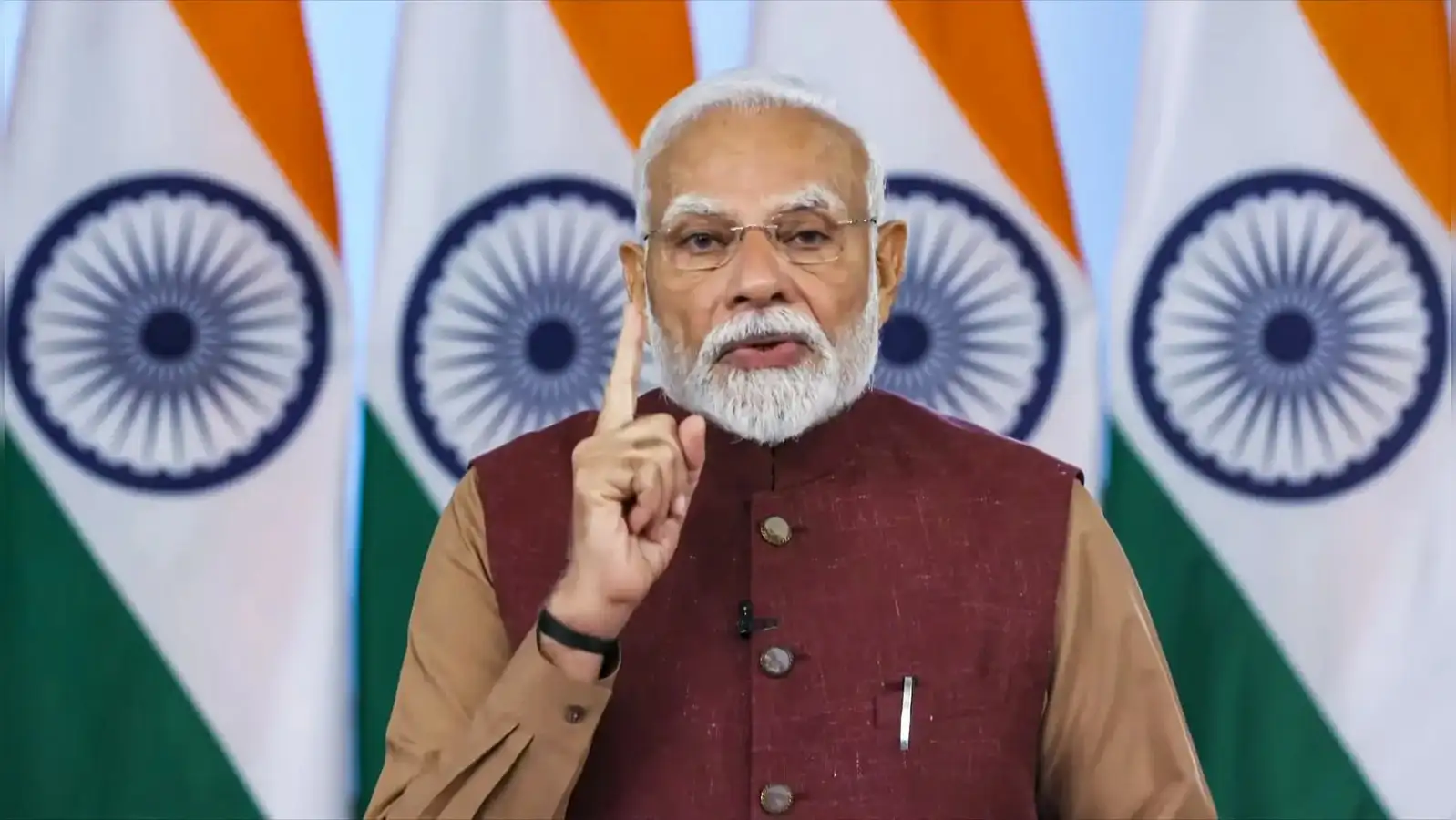

Prime Minister Modi’s Bengal and Assam visit has drawn attention from local businesses, job seekers, and voters as it combines infrastructure announcements, economic messaging, and clear political signalling ahead of upcoming electoral cycles. The visit is time sensitive and closely linked to regional development priorities and voter outreach.
In eastern India, such visits are not symbolic. They often unlock stalled projects, accelerate funding, and shape local narratives around growth and governance. For small businesses, startups, and first time voters, the outcomes of this visit matter beyond headlines.
This article breaks down what local stakeholders in West Bengal and Assam should closely watch.
Key Infrastructure Projects Announced or Reviewed
A major focus of the Bengal and Assam visit is infrastructure expansion. In West Bengal, projects linked to rail connectivity, port linked logistics, urban transport, and highway upgrades are expected to be highlighted. These projects directly affect trade movement across eastern India and improve access to industrial corridors.
In Assam, attention is on road networks, bridges, inland waterways, and energy infrastructure. Assam’s role as a gateway to the Northeast makes logistics projects especially important for regional commerce.
For local contractors, transport operators, and suppliers, such announcements often translate into tenders, sub contracts, and service demand within months, provided execution follows timelines.
Job Creation and Employment Impact on the Ground
Job impact is a central theme during the visit. Infrastructure projects typically generate short term construction jobs and longer term operational employment. Sectors such as logistics, warehousing, tourism, and energy benefit the most.
In Assam, refinery expansion, gas based industries, and river transport projects have potential to create skilled and semi skilled jobs locally. In Bengal, metro extensions, port activity, and manufacturing clusters are positioned as employment drivers.
Voters and youth should watch whether job creation is linked to local hiring commitments or skill development programs. Past experience shows that projects generate more value when training is aligned with local workforce needs.
What Local Businesses Should Track Carefully
For MSMEs and regional businesses, the real impact lies in policy follow through. Businesses should monitor procurement opportunities, vendor registration processes, and district level implementation plans.
Visits like these often lead to MoUs with large companies. The benefit for smaller firms depends on how supply chains are structured. Local transporters, fabricators, service providers, and material suppliers stand to gain if projects prioritise regional sourcing.
Another key area is ease of doing business. Any announcements around faster clearances, industrial parks, or digital approvals can reduce operational friction for businesses in Tier 2 and Tier 3 cities.
Political Messaging and Electoral Signals
Beyond development, the visit carries clear political weight. West Bengal and Assam have different political dynamics, but both are crucial in national electoral calculations.
In Bengal, the focus is on central government visibility, project delivery claims, and governance comparisons. Voters should assess whether announcements address long standing local issues such as urban congestion, industrial slowdown, and employment migration.
In Assam, messaging often revolves around stability, connectivity, and integration of the Northeast with the national economy. Welfare delivery, border infrastructure, and regional identity also shape voter perception.
Observers should note the tone of speeches, references to local leadership, and emphasis on state specific achievements versus future promises.
Impact on Regional Trade and Connectivity
Eastern India’s economic growth depends heavily on connectivity. Projects discussed during the visit aim to reduce logistics costs and improve movement between states and neighboring countries.
For Assam, improved connectivity boosts trade with other northeastern states and cross border commerce. For Bengal, port and rail upgrades strengthen links with eastern and southern markets.
Improved infrastructure also supports tourism, agriculture supply chains, and small scale manufacturing. These benefits take time but shape long term economic resilience.
What Voters and Citizens Should Evaluate
Citizens should look beyond announcements and evaluate timelines, budget allocation, and past completion records. Tracking whether foundation stones translate into functioning assets is crucial.
Public participation matters. Local feedback on land acquisition, environmental impact, and urban planning influences project sustainability.
For voters, this visit provides a moment to compare promises with delivery and assess whether development narratives align with lived experience.
Takeaways
- Infrastructure projects announced can directly affect local jobs and business opportunities
- Employment impact depends on execution speed and local hiring focus
- Political messaging during the visit signals upcoming electoral priorities
- Citizens should track delivery timelines, not just announcements
FAQs
Why is the PM’s visit to Bengal and Assam important now?
The visit aligns with infrastructure rollouts and political positioning ahead of future elections in eastern India.
Will these projects create local jobs?
Yes, but the scale depends on execution, skill matching, and local sourcing policies.
How can small businesses benefit from such visits?
By tracking tenders, vendor registrations, and district level project implementation.
Should voters expect immediate results from the announcements?
Some benefits appear quickly, but most infrastructure outcomes are medium to long term.