
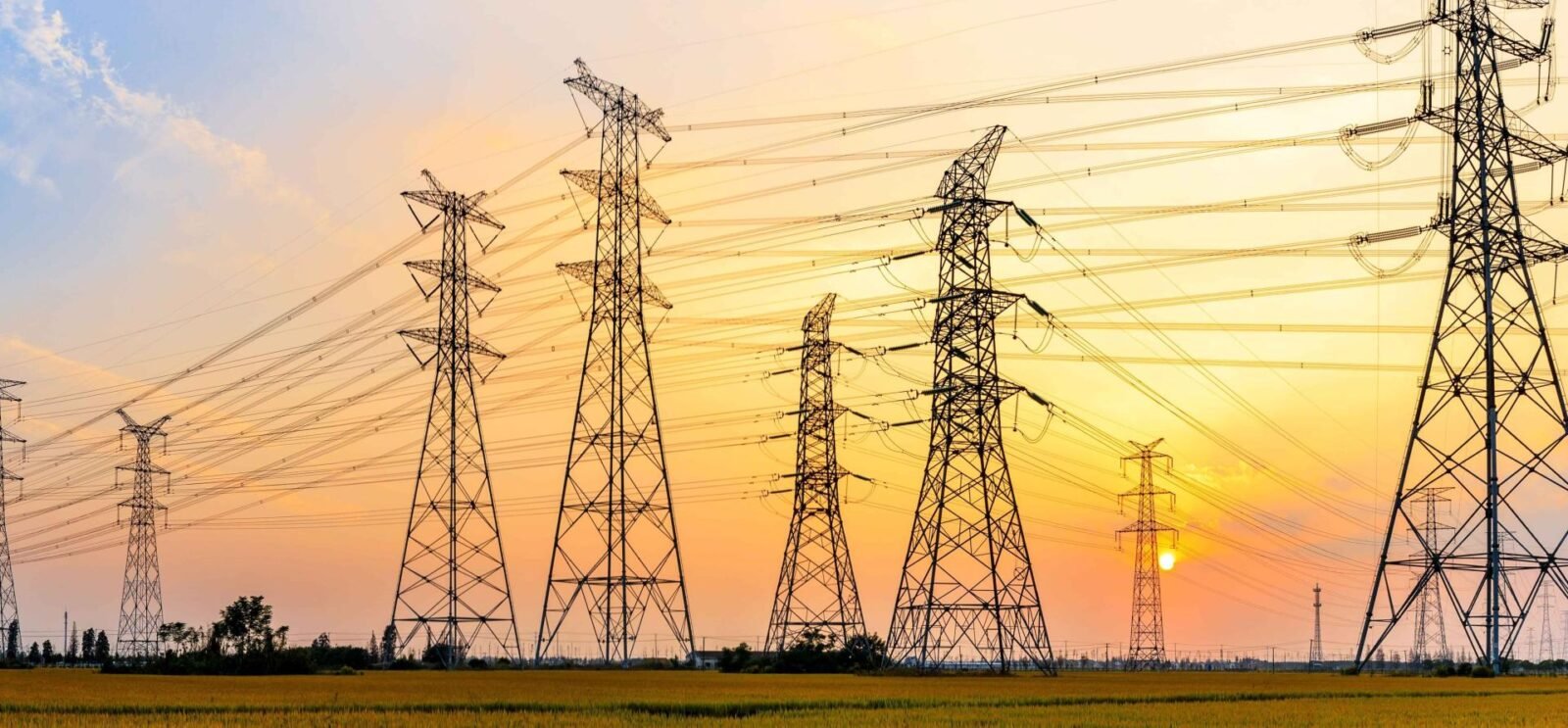

Maharashtra has announced power supply upgrades across several Tier-2 districts to improve reliability and reduce outages. This development aims to support households, small businesses, and growing urban areas that depend on stable electricity for daily operations
Power supply upgrades in Maharashtra Tier-2 districts have become a key focus as demand for electricity continues to rise across smaller cities. The main keyword power supply upgrades Maharashtra reflects recent efforts by Maharashtra State Electricity Distribution Company Limited to strengthen infrastructure, reduce outages, and improve service quality in non metro regions.
These upgrades are part of broader efforts to modernize distribution networks, particularly in cities like Nagpur, Nashik, Aurangabad, and Kolhapur where population growth and industrial activity are increasing pressure on existing systems.
Why Power Infrastructure Is Being Upgraded Now
The need for improved electricity infrastructure has grown due to higher consumption in Tier-2 districts. Increased use of air conditioners, electric appliances, and digital devices has pushed demand beyond earlier capacity levels.
Secondary keyword electricity demand Maharashtra Tier-2 highlights how smaller cities are now experiencing consumption patterns similar to metros. Industrial expansion and new housing developments have further increased load on local grids.
Authorities have identified aging transformers, overloaded feeders, and outdated wiring as key issues causing frequent outages. Upgrading these components is essential to ensure stable supply and prevent voltage fluctuations that damage appliances.
Projects are also aligned with national programs aimed at improving power distribution efficiency and reducing transmission losses.
What Changes Residents Can Expect After Upgrades
Residents in Tier-2 districts are likely to see fewer power cuts and more consistent voltage levels. Improved infrastructure helps maintain steady electricity even during peak usage hours, especially in summer months.
Secondary keyword uninterrupted power supply benefits is relevant because stable electricity directly impacts daily life. Households can expect better performance of appliances such as refrigerators, air conditioners, and water pumps.
For students and remote workers, reliable power ensures fewer interruptions in online learning and work activities. In areas where voltage fluctuations were common, upgraded systems can reduce equipment damage.
However, during the upgrade phase, some temporary disruptions may occur as maintenance work is carried out.
Impact on Small Businesses and Local Economy
Small businesses in Tier-2 cities are among the biggest beneficiaries of these upgrades. Shops, workshops, and service providers often face losses due to unexpected power cuts.
With improved supply, businesses can operate longer hours and maintain consistent productivity. This is especially important for sectors like food processing, retail, and small manufacturing units.
Secondary keyword impact of power upgrades on small businesses shows that reliable electricity can reduce dependency on generators, lowering operational costs.
Better power infrastructure also attracts new investments to smaller cities. Companies are more likely to set up operations in areas where electricity supply is stable and predictable.
Role of Smart Technology in Power Distribution
Modernization efforts include the introduction of smart meters and automated systems. These technologies allow real time monitoring of electricity usage and quicker detection of faults.
Secondary keyword smart meter Maharashtra rollout becomes important as smart meters help consumers track their usage and manage bills more effectively. They also reduce manual errors in billing and improve transparency.
Automation in distribution networks enables faster response to outages. Instead of waiting for manual intervention, systems can identify and isolate faults, reducing downtime.
These upgrades are part of a broader shift toward digitization in power management across India.
Challenges and Implementation Timeline
While the upgrades bring long term benefits, implementation may face challenges such as funding constraints, land availability for infrastructure, and coordination across departments.
Some areas may experience temporary outages during installation and testing phases. Authorities usually schedule these interruptions during low demand hours to minimize inconvenience.
Secondary keyword Maharashtra power infrastructure projects indicates that these upgrades are ongoing and may be completed in phases rather than all at once.
Residents are advised to stay updated through official announcements and local electricity offices regarding scheduled maintenance.
Takeaways:
- Power upgrades aim to reduce outages and improve voltage stability
- Tier-2 cities will benefit from better infrastructure and reliability
- Small businesses can expect lower costs and improved productivity
- Smart meters and automation will enhance transparency and efficiency
FAQ:
Q1: Which areas in Maharashtra are receiving power upgrades?
Several Tier-2 districts including Nagpur, Nashik, Aurangabad, and Kolhapur are part of ongoing infrastructure improvements.
Q2: Will there be power cuts during the upgrade process?
Yes, temporary outages may occur during maintenance and installation work.
Q3: How will these upgrades benefit households?
Residents will experience fewer outages, stable voltage, and better appliance performance.
Q4: What are smart meters and how do they help?
Smart meters track electricity usage in real time, improve billing accuracy, and help detect faults quickly.