
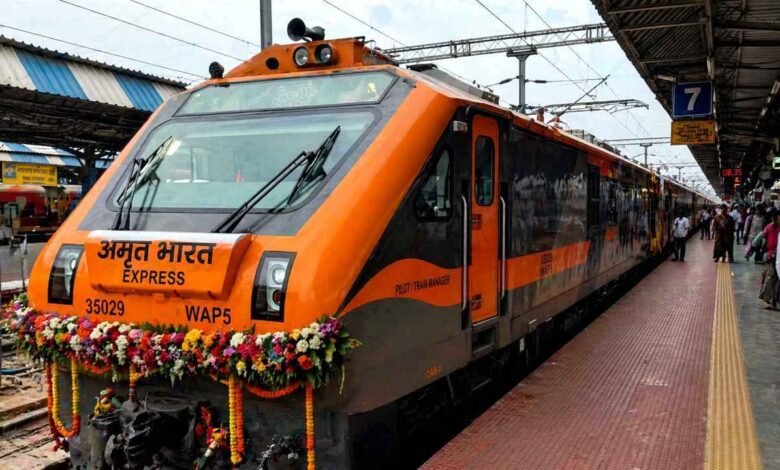

India is accelerating highway and rail connectivity projects to link smaller cities with major metros. These developments are expected to reduce travel time, support regional economies, and improve access to jobs, education, and trade opportunities across Tier-2 and Tier-3 regions.
New highway and rail connectivity projects linking smaller cities to metros are gaining pace across India as infrastructure expansion becomes a priority. The main keyword highway and rail connectivity India reflects ongoing efforts led by National Highways Authority of India and Indian Railways to strengthen transport networks beyond metro cities.
Why Connectivity Projects Are Expanding Across Smaller Cities
The push for improved infrastructure is driven by rising economic activity in Tier-2 and Tier-3 regions. Cities like Indore, Nagpur, Surat, and Lucknow are seeing growth in manufacturing, services, and real estate, increasing demand for efficient transport links.
The keyword infrastructure development Tier-2 India becomes relevant because these cities are no longer dependent on metros for growth. Governments are focusing on creating direct connectivity to reduce travel time and support regional self sufficiency.
Better roads and rail links reduce the burden on overcrowded metro cities while opening up new economic corridors in smaller regions.
Key Highway Projects Driving Faster Regional Travel
Highway development is a major part of this transformation. New expressways and widened national highways are being built to allow smoother and faster movement of vehicles.
Projects under National Highways Authority of India include multi lane highways, bypass routes, and ring roads that help reduce congestion in city centers. These developments are designed to improve both passenger travel and freight movement.
The keyword new expressways India highlights how modern highways are enabling high speed travel between cities that previously had limited connectivity. Reduced travel time directly benefits commuters, transport operators, and logistics companies.
Railway Upgrades Improving Passenger and Freight Connectivity
Rail connectivity is also being upgraded through electrification, track doubling, and introduction of faster trains. Indian Railways is focusing on improving efficiency and expanding reach to underserved areas.
The keyword railway modernization India reflects ongoing improvements aimed at reducing delays and increasing train frequency. Electrified tracks allow faster and more reliable services while lowering fuel costs.
New routes and upgraded stations are improving passenger experience, making train travel a more practical option for long distance journeys between smaller cities and metros.
Economic Benefits for Local Businesses and Residents
Improved connectivity has a strong impact on local economies. Businesses in smaller cities can transport goods more efficiently, reducing costs and improving delivery timelines.
The keyword economic impact of connectivity projects is important because better infrastructure attracts investment. Companies prefer regions with reliable transport networks, leading to job creation and economic growth.
Residents benefit from easier access to education, healthcare, and employment opportunities in larger cities. At the same time, improved connectivity allows people to stay in their hometowns while working or studying elsewhere.
Challenges and Implementation Timeline
Despite progress, infrastructure projects often face challenges such as land acquisition delays, environmental approvals, and funding issues. These factors can affect completion timelines.
However, authorities are adopting phased execution strategies to ensure that parts of projects become operational sooner. This helps deliver benefits even before full completion.
The keyword infrastructure challenges India highlights that while delays may occur, long term advantages outweigh short term disruptions. Residents may experience temporary inconvenience during construction, but improved connectivity is expected to bring lasting benefits.
Takeaways:
- Highway and rail projects are improving connectivity between smaller cities and metros
- Faster travel reduces logistics costs and saves time
- Infrastructure upgrades are boosting economic growth in Tier-2 regions
- Some delays may occur, but long term benefits are significant
FAQ:
Q1: Which cities are included in these connectivity projects?
Many Tier-2 and Tier-3 cities across India are being linked to metro hubs through highways and rail upgrades.
Q2: How do these projects benefit daily commuters?
Improved roads and rail services reduce travel time and make commuting more reliable.
Q3: Are these projects government funded?
Most projects are funded by the government, with some involving private sector participation.
Q4: Will property prices increase due to better connectivity?
Yes, improved connectivity often leads to higher demand for real estate in well connected areas