
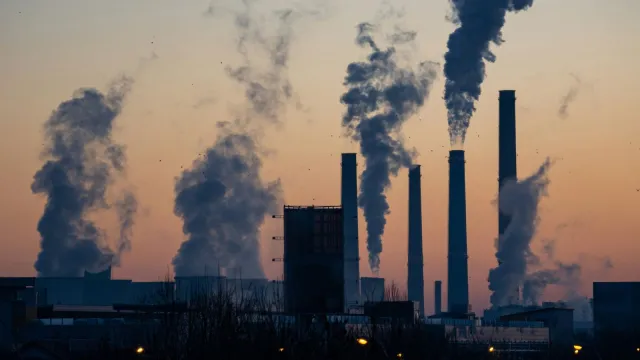

Pune’s air quality has become a growing concern as winter approaches, with elevated particulate pollution reported across the city. Changing weather conditions, construction dust, road pollution and vehicle emissions are adding to the challenge. Residents can reduce their exposure through simple daily precautions, while stronger pollution-control measures remain essential.
Pune Air Quality Raises Winter Health Concerns
Pune air pollution is becoming an important public health concern as the city enters the winter season. On November 19, 2026, air quality monitoring platforms reported elevated pollution levels, although readings varied between services and reporting times.
The Times of India reported an Air Quality Index (AQI) of 213 at 9:20 AM, placing the reading in the poor category under India’s National AQI classification. News9 Live reported an earlier reading of 177. These differences highlight why residents should check regularly updated readings rather than depend on a single figure throughout the day.
The increase in pollution comes after reports of deteriorating air quality during October. Dry weather, construction activities, road dust and emissions have been identified among the factors contributing to Pune’s pollution problem.
For residents, the concern is not limited to visible smog or reduced visibility. Fine particulate matter, particularly PM2.5, can enter deep into the respiratory system, making prolonged exposure a health concern.
Why Does Air Pollution Increase During Winter in Pune?
Seasonal weather conditions can influence how pollutants behave in urban areas. During cooler months, changes in atmospheric mixing, wind movement and temperature can affect the dispersion of pollutants.
When atmospheric conditions limit the movement of air, pollutants released by vehicles, construction activities and other sources may remain concentrated near the ground for longer periods.
Pune also faces pollution challenges associated with rapid urbanisation. Construction projects, road expansion, excavation and increasing vehicle movement contribute to dust and emissions.
According to reporting by The Indian Express in November 2026, Pune recorded a significant increase in particulate pollution during October. PM2.5 levels increased by 43 per cent, while PM10 levels rose by 63 per cent compared with the corresponding previous period discussed in the report.
The city’s growing transport requirements and infrastructure development make pollution management particularly important. Without consistent dust-control measures and emission monitoring, seasonal weather conditions can make an existing problem more noticeable.
How Pune Residents Can Protect Themselves From Air Pollution
Although individuals cannot control citywide pollution levels, they can take practical steps to reduce their exposure.
1. Check the AQI Before Leaving Home
Residents should make checking the Air Quality Index part of their daily routine, especially before morning walks, outdoor exercise or long commutes.
The Central Pollution Control Board (CPCB) provides air quality information through its official monitoring platforms and the SAMEER mobile application.
The AQI helps residents understand whether outdoor conditions are good, moderate, poor or worse. It also provides an indication of when additional precautions may be necessary.
2. Avoid Outdoor Exercise During Poor Air Quality
Morning walks, jogging and cycling are popular activities in Pune. However, strenuous outdoor exercise can increase the amount of polluted air a person inhales.
When AQI levels are poor, residents should consider moving their workouts indoors or reducing the duration and intensity of outdoor physical activity.
Children, older adults and people with asthma or existing heart and respiratory conditions should take additional precautions.
3. Use Properly Fitted N95 Masks When Necessary
People who need to travel or work outdoors during periods of elevated particulate pollution can consider using a properly fitted N95 respirator.
These masks are designed to filter fine airborne particles when worn correctly. A loose-fitting mask may allow polluted air to enter through gaps around the nose and face.
Ordinary cloth coverings should not be considered equivalent to certified particulate-filtering respirators.
4. Keep Indoor Air Cleaner
Staying indoors does not automatically eliminate exposure to air pollution. Outdoor pollutants can enter homes through open windows, doors and ventilation systems.
During periods of high outdoor pollution, residents can reduce exposure by keeping windows closed when appropriate and avoiding indoor activities that generate additional smoke or particulate matter.
People who use air purifiers should select equipment suitable for their room size and maintain filters according to the manufacturer’s instructions.
5. Avoid Burning Waste and Dry Leaves
Open burning of household waste, dry leaves and other materials releases harmful pollutants into the surrounding air.
Residents should avoid burning waste in residential societies, streets and open spaces. Instead, dry leaves and household waste should be disposed of through appropriate municipal collection systems.
Community participation can help prevent local pollution from becoming worse.
Children and Older Adults Need Additional Protection
Air pollution does not affect everyone in the same way. Children, elderly people, pregnant women and individuals with pre-existing respiratory or cardiovascular conditions may be more vulnerable to polluted air.
Children spend time travelling to schools, playing outdoors and participating in sports. During periods of poor air quality, parents and schools should pay attention to local AQI readings before planning outdoor activities.
Older adults should avoid prolonged physical exertion outdoors when pollution levels are elevated.
People with asthma or other respiratory conditions should follow their prescribed treatment plans and keep necessary medication available. They should not independently change medication or discontinue treatment because of temporary improvements in air quality.
Persistent coughing, wheezing, chest discomfort or breathing difficulties should not be ignored. Residents experiencing such symptoms should seek medical advice.
What Can Pune Municipal Authorities Do to Control Pollution?
Individual precautions are useful, but long-term improvements require consistent action from civic authorities and pollution-control agencies.
Construction dust remains an important area requiring attention. Construction sites should follow applicable dust-control requirements, including covering materials, managing debris, controlling dust during excavation and preventing the movement of loose soil onto roads.
Road dust also needs regular management through appropriate road cleaning and dust suppression measures.
Vehicle emissions are another important source of urban air pollution. Encouraging public transport, improving traffic management and supporting cleaner mobility options can contribute to reducing emissions.
Waste burning should be monitored and prevented through effective enforcement and accessible waste collection services.
The Pune Municipal Corporation has previously introduced restrictions on construction activities and measures to monitor dust emissions. However, the effectiveness of such measures depends on regular inspections, compliance and accountability.
The city’s environmental challenges cannot be addressed through temporary restrictions alone. Sustained monitoring and coordinated action are necessary to improve air quality over time.
Can Pune Residents Expect Cleaner Air This Winter?
Pune’s winter air quality will depend on several factors, including weather conditions, wind movement, traffic emissions, construction activity and the effectiveness of pollution-control measures.
A temporary improvement in AQI does not necessarily indicate that the city’s overall pollution problem has been resolved. Residents should monitor daily readings and make decisions based on the conditions in their neighbourhood.
For a growing urban centre like Pune, cleaner air is closely connected to public health, sustainable transport and responsible infrastructure development.
The coming months will be important for assessing whether pollution-control measures can prevent further deterioration. While residents can take precautions to protect themselves, long-term improvement will require coordinated efforts from citizens, civic authorities, businesses and environmental agencies.
Key Takeaways
- Pune reported elevated air pollution readings on November 19, 2026, although monitoring platforms showed different AQI values.
- Construction dust, road dust, vehicle emissions and dry weather are among the factors contributing to the city’s air quality challenges.
- Residents should monitor AQI levels, avoid strenuous outdoor activities during poor air quality and consider properly fitted N95 masks when necessary.
- Children, older adults and people with respiratory or heart conditions should take additional precautions.
Frequently Asked Questions (FAQs)
1. What is the AQI in Pune on November 19, 2026?
The Times of India reported an AQI of 213 at 9:20 AM on November 19, while News9 Live reported 177 in an earlier update. AQI readings can change with time and location, so residents should check current CPCB monitoring information.
2. Why does Pune experience increased air pollution during winter?
Cooler weather, changing atmospheric conditions, reduced pollutant dispersion, construction dust, road dust and vehicle emissions can contribute to higher pollution levels during winter.
3. Which mask is suitable for protection against air pollution?
A properly fitted N95 respirator can help filter fine airborne particles. It should cover both the nose and mouth without significant gaps.
4. Where can Pune residents check daily air quality updates?
Residents can check the Central Pollution Control Board’s official AQI portal and the SAMEER mobile application for available air quality updates.
(Internal SEO keywords: Pune air pollution, Pune AQI today, Pune winter pollution, Pune air quality November 2026, air pollution health effects, how to protect yourself from air pollution, CPCB AQI, PM2.5 pollution, PM10 levels, winter air pollution in Maharashtra)