
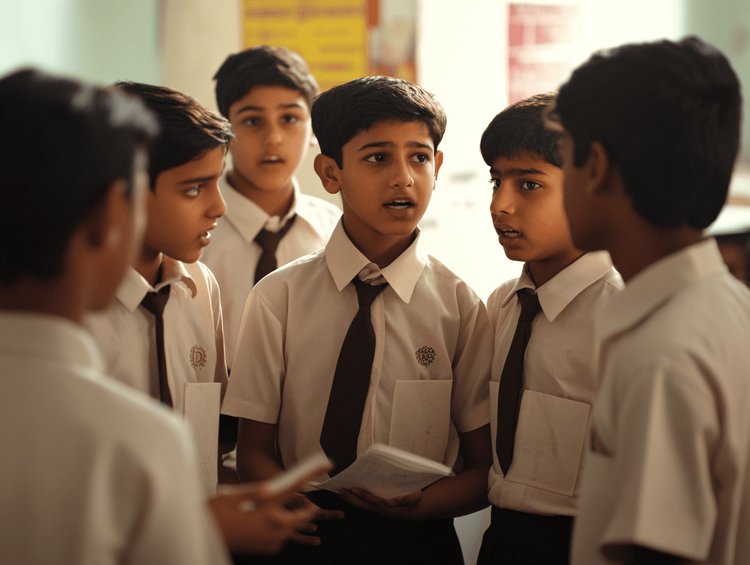

A school assembly brief covering key national headlines helps students in Tier 2 and Tier 3 cities stay informed about current affairs that shape daily life. This article explains how such briefs are structured, which national issues matter most for students, and why simplified news awareness is essential in schools.
The intent of this topic is informational with a time sensitive news orientation. While headlines change daily, the approach to selecting and understanding national news for school assemblies follows a consistent framework. The tone is factual, clear, and student focused.
Why national headlines matter for school assemblies
School assembly briefs play a vital role in building awareness beyond textbooks. National headlines introduce students to governance, economy, science, sports, and social developments. For students in Tier 2 and Tier 3 cities, assemblies often serve as the first structured exposure to national news. These updates help students understand how decisions made at the national level influence education, employment, prices, and public services in their own towns and districts.
What makes a headline suitable for students
Not every national news story is appropriate for a school assembly. Suitable headlines are those that are factual, impactful, and easy to explain without political bias or sensational detail. Topics related to education reforms, major government decisions, national achievements, science milestones, sports events, and important social initiatives are commonly included. The goal is awareness, not debate. Clear language and context are more important than depth.
Key governance and policy updates students should know
National governance headlines often focus on Parliament sessions, new laws, cabinet decisions, and policy announcements. For students, these updates explain how the country is run. Simple explanations of budget priorities, education policy changes, or national missions help students connect civics lessons to real events. In Tier 2 and Tier 3 cities, understanding governance builds confidence and encourages interest in public service careers.
Economy and development news in simple terms
Economic headlines affect households directly. Topics like fuel prices, inflation trends, employment initiatives, and infrastructure projects are relevant for students when explained clearly. For example, news about railway expansion, digital services, or rural development schemes shows how national planning reaches smaller towns. Assembly briefs should focus on impact rather than numbers, helping students see the connection between policy and daily life.
Science, technology, and innovation highlights
Science and technology news inspires curiosity and ambition. National achievements in space missions, digital platforms, renewable energy, or medical research are ideal assembly topics. These stories show progress and opportunity without controversy. For students in smaller cities, such headlines highlight that innovation is not limited to metros and that national programs aim to include wider participation.
Sports and cultural achievements
Sports headlines are among the most engaging for students. National team performances, international tournament results, and achievements by Indian athletes motivate participation and discipline. Cultural milestones such as awards, heritage recognition, and national celebrations also strengthen identity and pride. Including such news balances serious topics with positive reinforcement.
Social issues and awareness based headlines
Social awareness headlines help students understand challenges like health campaigns, environmental initiatives, and safety programs. Topics such as vaccination drives, clean energy efforts, or disaster preparedness can be explained in age appropriate ways. For Tier 2 and Tier 3 audiences, these stories often relate directly to community experiences, making them more relatable and impactful.
How teachers and students can present assembly briefs
An effective school assembly brief is concise and structured. Each headline should be explained in two or three sentences, focusing on what happened and why it matters. Avoid complex terminology. Teachers can guide students to read from verified summaries and practice clear pronunciation. Rotating student presenters encourages participation and builds confidence in public speaking.
Building a daily news habit among students
Regular exposure to national headlines helps students develop a habit of following news responsibly. Over time, this improves comprehension, vocabulary, and general knowledge. For competitive exams and future academic goals, early familiarity with current affairs is an advantage. Assemblies act as a starting point, encouraging students to explore topics further through reading and discussion.
Why Tier 2 and Tier 3 students benefit the most
Students in smaller cities often have limited access to structured news discussions. School assemblies bridge this gap by providing equal exposure to national developments. This promotes inclusivity and ensures students are not left behind in awareness and confidence. Over time, informed students become more engaged citizens who understand their role in a larger national context.
Takeaways
- School assembly briefs build early national awareness
- Headlines should be factual, simple, and student appropriate
- National news helps connect education with real life
- Tier 2 and Tier 3 students gain equal exposure through assemblies
FAQs
How many headlines should a school assembly brief include?
Usually five to seven concise headlines are enough to maintain attention and clarity.
Should political news be included in assemblies?
Only neutral governance related updates should be included, without opinion or debate.
Can students present assembly news themselves?
Yes, student participation improves confidence and understanding when guided properly.
How often should assembly briefs be updated?
Ideally, they should be updated daily or at least on major national news days.