
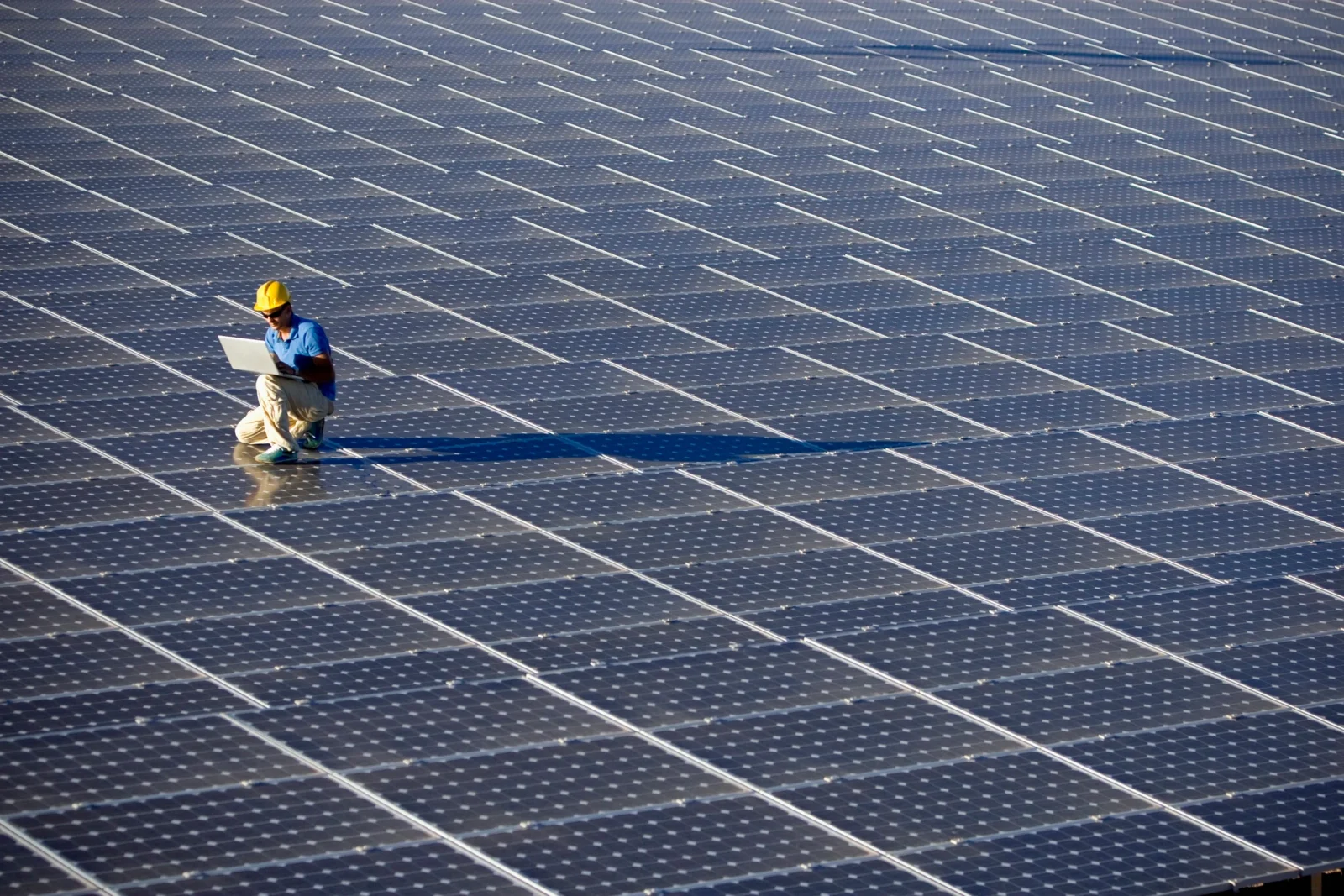

India’s push for renewable energy has positioned solar power as a key solution to climate change and energy security. However, as solar panels age and new installations surge, a lesser-known challenge is emerging—solar waste. Discarded panels contain toxic materials like lead and cadmium, and improper disposal can harm the environment, creating a new layer of ecological risk even as the country strives for cleaner energy.
The scale of the problem is rising rapidly. Solar panels typically have a lifespan of 20–25 years, and India’s ambitious solar targets mean millions of panels will reach the end of their life in the coming decades. Current recycling infrastructure is limited, and most waste is either dumped in landfills or handled in ways that release hazardous substances into soil and water, posing risks to nearby communities.
Recycling solar panels is complex and costly. Separating valuable materials such as silver, silicon, and rare earth metals from toxic components requires advanced technology, which is not widely available in India. Without proper regulations and incentives, manufacturers and installers have little motivation to ensure environmentally safe disposal, leaving local authorities to grapple with growing waste volumes.
The challenge is especially acute in Tier-2 cities and semi-urban regions where regulatory oversight is weaker. As solar adoption increases beyond major metropolitan areas, the burden of managing waste falls on smaller municipalities, often without the technical expertise or funds to handle it safely.
Addressing solar waste requires a coordinated approach involving manufacturers, policymakers, and local governments. Extended producer responsibility, investment in recycling technology, and public awareness campaigns are essential to prevent this green energy solution from creating a new environmental problem.
The rise of solar waste highlights that sustainable energy must go beyond just clean production. True sustainability demands planning for the full lifecycle of technology, ensuring that the quest for renewable energy does not inadvertently harm the environment it seeks to protect.