
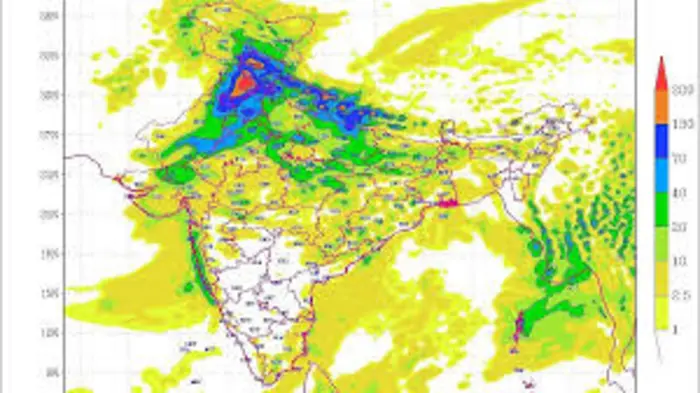

Weather alerts across North India have been issued following fresh storm activity signals, prompting advisories for farmers, transport operators and residents in small towns. With fluctuating temperatures, rainfall and gusty winds expected in several districts, daily routines and agricultural cycles may be affected.
The latest weather alerts across North India indicate the possibility of thunderstorms, moderate rainfall and strong winds in parts of Delhi, Uttar Pradesh, Haryana, Punjab, Rajasthan and adjoining hill states. Such storm systems during the late winter and early pre summer transition can disrupt harvesting schedules, vegetable supply chains and local transport connectivity, particularly in Tier 2 and Tier 3 towns.
IMD Storm Activity and Regional Forecast Pattern
The India Meteorological Department has signaled storm activity linked to western disturbances and local convection systems. These systems typically bring cloud cover, scattered showers and occasional lightning across northwestern and northern plains.
In plains districts, rainfall may range from light to moderate intensity, while isolated areas could witness brief heavy spells. Wind speeds during thunderstorms can temporarily cross safe thresholds for standing crops and temporary structures.
Hill states often experience snowfall or rain during such disturbances, which in turn affects downstream river flows and temperature patterns in the plains. Sudden temperature drops can influence crop maturity and post harvest handling.
Localized forecasts are especially important because storm impact can vary sharply between neighboring districts. Small towns without advanced drainage infrastructure are more vulnerable to waterlogging and traffic disruption.
Impact on Rabi Crops and Farming Operations
The timing of storm activity is critical for farmers cultivating rabi crops such as wheat, mustard and pulses. In several northern states, wheat crops approach the grain filling stage during late winter. Excess rainfall and strong winds at this stage can cause lodging, where crops bend or fall due to wind pressure.
Lodged crops are harder to harvest mechanically and may suffer quality loss. Farmers growing mustard may face risks if moisture levels rise during flowering or pod formation.
Vegetable farmers in peri urban belts around Tier 2 towns are also exposed to storm related losses. Open field cultivation of tomatoes, potatoes and leafy vegetables can be damaged by hail or waterlogging.
However, not all rainfall is negative. Moderate showers in moisture stressed areas can support soil hydration, reducing irrigation demand. The overall impact depends on intensity, duration and crop stage.
Effect on Daily Life in Small Towns
In small towns across North India, storm alerts directly influence daily routines. Markets, schools and transport services often experience temporary disruptions during heavy rainfall or lightning warnings.
Power outages are common in semi urban regions when strong winds affect local transmission lines. In towns where overhead wiring is prevalent, gusty conditions increase the risk of temporary supply cuts.
Road connectivity between villages and town centers may also be affected. Mud roads and partially paved stretches become slippery, slowing movement of goods and commuters. This impacts supply chains for milk, vegetables and other essentials.
Local administrations typically advise residents to avoid open fields during lightning activity and secure loose objects on rooftops. In areas with ongoing construction, precautionary measures are essential to prevent accidents.
Transport, Rail and Highway Implications
Storm activity in North India can influence rail and highway operations, particularly if visibility drops due to heavy rainfall. Waterlogging near railway tracks or bus terminals can cause minor delays.
Highways connecting small towns to larger urban centers may witness slower traffic movement. Two wheelers and light commercial vehicles are more vulnerable to strong crosswinds.
Interstate bus services sometimes adjust departure times during severe weather alerts. Residents planning travel during storm windows should check local advisories and allow buffer time.
Air travel from major northern airports may experience minor delays during thunderstorm activity, which indirectly affects passengers traveling from nearby towns.
Precautionary Measures for Residents and Farmers
Residents should monitor local weather bulletins regularly. Mobile weather apps and district level advisories provide updated information on storm timing and intensity.
Farmers can adopt preventive steps such as strengthening crop support structures, ensuring proper drainage in fields and harvesting mature crops early if heavy rainfall is forecast.
Storing harvested produce in covered and ventilated spaces reduces moisture related losses. Livestock owners should ensure that shelters are secure and protected from strong winds.
Urban households can reduce risk by checking rooftop water drainage systems and avoiding parking vehicles under weak trees or temporary hoardings.
Takeaways
• Weather alerts across North India signal possible thunderstorms and gusty winds
• Rabi crops like wheat and mustard may face lodging or moisture related risks
• Small towns are vulnerable to power outages and waterlogging
• Monitoring district level forecasts helps reduce economic and safety impact
FAQ
Q1: Which states are likely to be affected by the storm activity?
Parts of Delhi, Uttar Pradesh, Haryana, Punjab, Rajasthan and nearby hill regions may experience rain, wind and localized thunderstorms.
Q2: How does storm activity affect wheat crops?
Strong winds and heavy rain during the grain filling stage can cause lodging, which reduces harvesting efficiency and may affect grain quality.
Q3: Should residents avoid travel during weather alerts?
Travel is possible, but it is advisable to check local advisories and avoid unnecessary movement during peak thunderstorm hours.
Q4: Can moderate rainfall benefit farmers?
Yes, if rainfall is light to moderate and not accompanied by strong winds, it can improve soil moisture and reduce irrigation demand.