
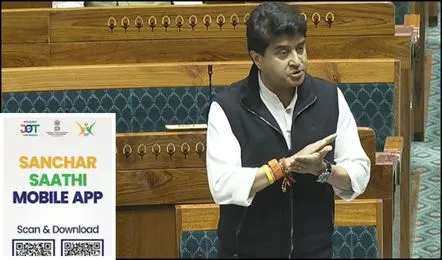

The tech policy U turn on mandatory phone app pre installation has major implications for device makers, retailers and consumers in India. By withdrawing the requirement, the government signalled that regulatory directives affecting smartphone software must balance security objectives with user rights and industry feasibility.
Why the policy reversal matters for India’s smartphone ecosystem
The initial mandate required manufacturers to preinstall specific government backed apps on new smartphones. Although intended to strengthen cybersecurity and curb mobile related fraud, the compulsory nature of the directive created operational and privacy concerns across the market. Device makers questioned the technical and logistical impact. Retailers worried about user pushback. Consumers debated autonomy and data access rules.
The reversal changed the conversation. It shifted the focus from compliance to voluntary adoption. For an industry that ships millions of devices monthly, removing mandatory software requirements reduces friction and restores standardisation in device setup flows. It also reinforces that digital governance must be aligned with market dynamics to remain effective.
Impact on device makers and their software strategies
For manufacturers, preinstallation directives affect engineering pipelines. Integrating compulsory apps requires system level testing, compatibility checks and long term maintenance. These tasks divert resources from optimisation and innovation. The U turn eases this burden by allowing OEMs to maintain consistent global builds with minimal India specific overlays.
The reversal also reduces uncertainty for brands managing security certifications. Many premium brands follow strict procedures to validate device firmware. Forced additions increase the risk of delays and compliance complications. With the requirement withdrawn, manufacturers can focus on timely updates and ecosystem partnerships rather than navigating evolving policy mandates.
Another key impact relates to cost. Every mandated customisation affects hardware procurement, quality checks and logistics. Eliminating compulsory apps allows OEMs to retain leaner operational structures. For value centric segments, even small savings help maintain competitive pricing.
How the policy shift affects retailers and distribution networks
Retailers often deal with immediate consumer reactions to software changes. Mandatory preinstalled apps risked confusing customers during unboxing or raising concerns about unwanted features. Retailers would have been required to explain the purpose of the app and guide users through disabling or managing it. The reversal prevents this added complexity.
It also protects point of sale efficiency. High volume retailers depend on quick device activation times. Any new mandatory setup step increases queue delays and reduces throughput. By removing forced installations, retailers can continue offering predictable device experiences. This consistency matters in Tier 2 and Tier 3 markets where consumers expect familiarity and simplicity when purchasing phones.
Distribution channels benefit too. Devices no longer require region specific packaging or software configurations. This simplifies inventory management and allows faster shipment across states without regulatory compliance variations.
What the U turn means for consumers and digital autonomy
Consumers gain the most direct benefit from the reversal. Mandatory preinstalled apps raise concerns about privacy, data access and device control. Even if the app is safe and optional in practice, compulsory installation signals reduced autonomy. The U turn reinforces the principle that consumers should decide which apps belong on their devices.
It also supports clearer consent practices. India’s data protection laws emphasise user permission. When preinstalled apps handle sensitive information or system level operations, users expect transparency. The reversal aligns policy with these expectations. Consumers can still access the app voluntarily through app stores or web portals if they find the service useful.
Another important benefit is device performance. Unwanted preinstalled software consumes storage, background resources and update bandwidth. For users in budget segments, every megabyte matters. The U turn ensures that device optimisation remains in the hands of OEMs rather than policy directives.
How the U turn influences future tech policy in India
The reversal highlights the importance of stakeholder consultation. Policy making in the technology sector affects large global ecosystems. Decisions must account for engineering feasibility, user sentiment and market realities. The quick shift indicates that adaptive governance will play a stronger role in India’s digital future.
It also suggests that future digital public infrastructure initiatives may adopt opt in models instead of mandatory inclusion. Voluntary adoption tends to create higher trust and better long term engagement. Policymakers may prioritise awareness campaigns, interoperability frameworks and consumer education rather than device level mandates.
This episode will likely guide how governments design interventions involving smartphone apps, system settings or digital identifiers. Companies now expect clearer rules, multi phase rollout plans and consultative procedures before implementing software mandates.
Business opportunities emerging from a voluntary ecosystem
The absence of mandatory apps opens opportunities for innovation. OEMs can partner with app developers to offer value added services without regulatory restrictions. Retailers can recommend apps based on customer profiles rather than fixed requirements. Consumers benefit from personalised onboarding rather than a one size fits all setup.
Startups building digital public goods may need to focus on usability and feature strength to drive voluntary adoption. This shift encourages competitive product development instead of relying on enforcement based distribution. It also strengthens India’s position as a consumer driven digital economy.
Takeaways
The policy reversal reduces operational and compliance pressure on device makers
Retailers benefit from simpler onboarding and consistent user experience
Consumers gain autonomy and avoid unnecessary preinstalled software
Future tech policy may lean toward voluntary adoption over mandatory directives
FAQs
Does the reversal mean the app will no longer be available
No. The app remains accessible for download. Only compulsory installation on new devices has been withdrawn.
Will manufacturers revert to global software builds
Most will. Without mandatory apps, OEMs can minimise region specific customisations.
Does this affect data protection regulations
The reversal reinforces consent based practices but does not change existing data protection rules.
Will this influence future digital governance decisions
Yes. It signals that stakeholder input and user sentiment will shape upcoming tech policy frameworks.