
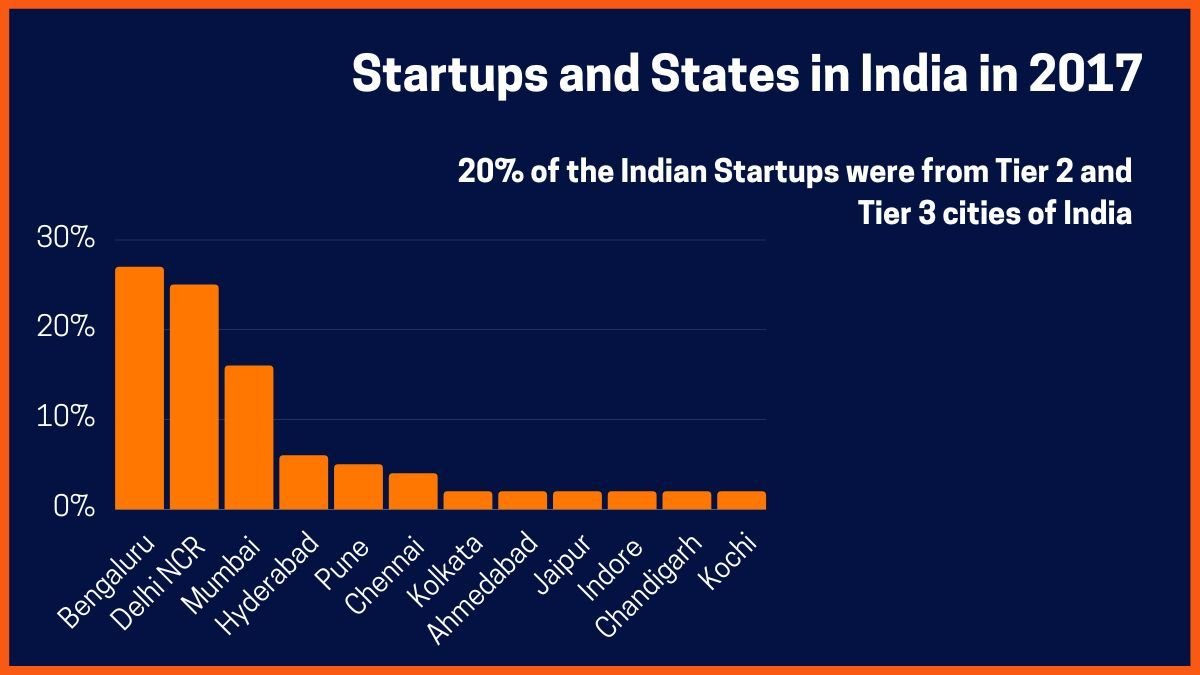

India’s latest startup funding trends are shaping how budding entrepreneurs in tier 2 cities plan their ventures, secure early capital and scale operations. This is an informational and partially time sensitive topic because funding patterns shift with market cycles, investor focus areas and economic conditions across sectors.
In recent years, investors have expanded interest beyond metro based startups and are backing founders operating from smaller cities. Improved digital adoption, cost efficient operations and growing consumer markets in tier 2 regions have made these locations attractive. Understanding current funding signals helps early stage founders prepare realistic strategies and identify where opportunities are strongest.
Shift toward sustainable business models and secondary keywords supporting tier 2 growth
Funding trends now focus on sustainability, profitability and real demand instead of rapid scale at high burn. For entrepreneurs in tier 2 cities, this shift is beneficial because smaller town startups naturally operate with lean teams, lower rents and conservative spending. Investors now value disciplined financial planning, which aligns with the operating reality of non metro founders.
Sectors like agritech, healthtech, vernacular content, mobility solutions and fintech for underserved markets continue to attract interest. These categories match the needs of tier 2 and tier 3 populations, creating strong product market fit from the start. Investors increasingly look for evidence of local adoption before committing larger funds. For founders, this means building real user traction matters more than theoretical projections.
Rise of micro funds, angel networks and local investment channels
Another major trend is the rise of micro venture funds and angel syndicates targeting early stage ideas in smaller cities. These groups offer seed capital through flexible ticket sizes. Many angel investors now come from tier 2 business families who understand local markets and see value in supporting founders from their own regions.
Co working spaces and incubation centres in cities like Jaipur, Indore, Nagpur, Coimbatore and Bhubaneswar have become strong enablers. They connect entrepreneurs with mentors, investors and government schemes. This ecosystem expansion reduces the need for founders to relocate to metros for fundraising. Local pitch events, state backed startup challenges and university based incubation programs also help early stage ventures find capital.
Government schemes and credit based funding support
Government support plays a significant role in tier 2 entrepreneurial growth. Schemes offering collateral free loans, interest subsidies, incubation grants and innovation incentives create additional pathways for raising capital. Startups building solutions for agriculture, digital payments, manufacturing and public services often qualify for grants or low interest credit.
Credit based funding is becoming more relevant as lenders use digital records to evaluate early businesses. Founders with strong financial discipline and predictable revenue can access working capital without dilution. This helps tier 2 businesses maintain ownership while scaling gradually. Blending small grants, revenue based financing and bank credit is emerging as a practical model for early founders.
Digital reach making tier 2 startups more visible to investors
Improved digital connectivity enables tier 2 startups to reach customers online and demonstrate traction quickly. SaaS tools, e commerce platforms, social media and digital payment systems help founders operate nationally without being located in a metro. This digital visibility allows investors to assess user engagement, recurring revenue and product feedback in real time.
Startups that solve hyperlocal problems such as logistics, daily services, retail digitisation or education support often scale horizontally across similar towns. Investors view this expansion model as predictable and replicable. For entrepreneurs, focusing on smaller but uniform markets can create steady growth without intense competition from metro based players.
Challenges tier 2 founders must navigate in the funding landscape
Even with positive trends, challenges remain. Many tier 2 founders lack exposure to investor expectations, financial documentation norms or pitch structuring. Without clear revenue forecasting or a defined go to market plan, early discussions may stall. Skill gaps in technology or product development can slow progress unless founders build strong remote teams.
Another barrier is limited access to strategic networks. Founders often need guidance on legal processes, shareholding structures and IP protections. As funding becomes more selective, tier 2 entrepreneurs must show stronger market validation and readiness for scale. Addressing these gaps through mentorship, training and community groups is essential for long term success.
Long term opportunities for entrepreneurs in smaller cities
Despite the challenges, the long term outlook for tier 2 entrepreneurship remains strong. Investors increasingly recognize the potential in non metro markets due to rising disposable incomes, digital penetration and locally relevant business models. Startups that solve everyday problems for lower and middle income consumers will continue to gain attention.
Founders should focus on building high trust customer relationships, maintaining consistent product quality and demonstrating sustainable margins. With patient growth, strong financial discipline and regional market insight, tier 2 startups can attract both domestic and global investment. The shift toward practical, profitability oriented funding supports this approach.
Takeaways
Funding trends favour sustainable, low burn business models suited for tier 2 markets
Micro funds and angel networks expand early stage access to capital
Government credit schemes support startups addressing local needs
Digital visibility helps tier 2 startups prove traction to investors
FAQs
Are investors actively funding startups outside major metros now
Yes, investor interest in tier 2 and tier 3 markets has increased due to cost efficiency, digital adoption and strong local demand patterns.
What sectors offer the best opportunities for tier 2 entrepreneurs
Agritech, healthtech, vernacular content, fintech for underserved markets and retail tech continue to show strong investor appetite.
Do startups need to relocate to metros for funding
Not necessarily. Digital pitching, hybrid events and growing local ecosystems allow founders to raise early capital without relocating.
How can tier 2 founders improve their chances of securing funding
Clear documentation, proof of traction, strong financial discipline and a well defined product strategy significantly increase the likelihood of investment.