
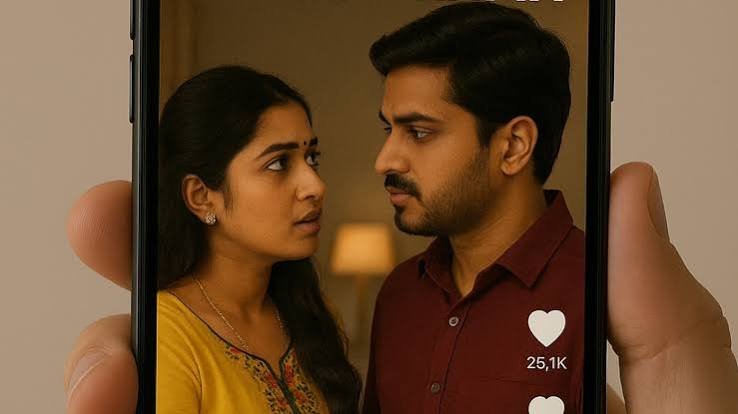

Micro-dramas are becoming a significant part of India’s digital entertainment landscape as platforms experiment with short, vertical and episodic storytelling. With smartphone-first viewing, regional-language content and younger audiences driving consumption, the format is increasingly moving beyond social media reels into dedicated entertainment platforms and mainstream OTT services.
Micro-Dramas Move From Reels to Structured Entertainment
The rise of micro-dramas in India is closely linked to the way audiences consume video on smartphones. Unlike conventional films or web series, these stories are generally divided into very short episodes, often designed to be watched vertically on a phone.
The format combines two familiar habits: the quick consumption associated with short videos and the continuing curiosity created by serialised storytelling. An episode can end with a cliffhanger, encouraging viewers to immediately watch the next part.
Recent industry data suggests that this is no longer a niche experiment. An Ormax Media report cited by The Economic Times said India’s online video audience reached 664.9 million in 2026, while micro-dramas recorded 50% growth in audience size.
That growth is happening alongside the broader expansion of short-form video, social platforms and mobile-first entertainment.
Why Gen Z Is Important to Micro-Drama Platforms
Gen Z is particularly important because its entertainment habits are strongly connected to smartphones, social platforms and personalised recommendation feeds.
For platforms, short episodes create more opportunities to bring viewers back multiple times during the day. Instead of asking someone to commit 30 or 60 minutes to a programme, micro-dramas can fit into a commute, college break, lunch break or short period of free time.
A recent Financial Express report described Gen Z as a major target for entertainment and technology companies competing for screen time. It also noted that companies including JioStar, Sony Pictures Networks India, Eloelo Group and Kuku TV are exploring vertical videos and micro-dramas for younger audiences.
This does not mean Gen Z has stopped watching films, conventional web series or television. Rather, micro-dramas are becoming another layer in an increasingly fragmented entertainment routine.
Short Episodes Make Stories Easier to Fit Into Daily Life
The biggest difference between a conventional web series and a micro-drama is not simply episode length. It is the way the story is designed around mobile viewing.
Micro-dramas usually need to establish a situation quickly. Characters, conflict and emotional stakes may appear within the opening moments because viewers can swipe away at any time.
This has changed the writing structure. Episodes often rely on immediate conflict, emotional turns and cliffhangers rather than lengthy introductions.
The Economic Times reported in August that micro-dramas were attracting substantial engagement in India, with audiences watching multiple episodes and returning to stories because of their relatable narratives and short completion times.
For young viewers accustomed to scrolling through short videos, this structure can make a fictional story feel closer to the rhythm of everyday digital content.
Regional Languages Are Expanding the Micro-Drama Audience
India’s micro-drama market is not limited to Hindi or English. Regional languages are becoming an important part of the industry’s expansion, particularly because mobile entertainment reaches audiences outside the largest metropolitan centres.
Sun TV launched Sun NXT Shorts in August 2026 with short-form content across Tamil, Telugu, Kannada and Malayalam. The service was positioned toward mobile-native Gen Z and television audiences.
Story TV has also announced a major South India expansion, with plans to produce more than 1,000 original micro-dramas in Telugu, Tamil, Kannada and Malayalam by March 2027. The company said its initial southern content had already generated more than 250 million views.
For Tier-2 and Tier-3 cities, this regional approach matters. Viewers do not necessarily need to shift to Hindi or English to participate in the format. Stories can be built around local languages, cultural references and familiar social settings.
OTT Platforms Are Taking the Format Seriously
Micro-dramas are increasingly being treated as a distinct entertainment category rather than simply another type of social media content.
JioHotstar’s TADKA is one example. The platform’s short-form offering crossed 100 million users in 2026, according to company data reported by The Economic Times. Its content includes vertical episodic programmes generally running between 30 and 60 seconds. The report also said more than 42% of TADKA’s audience was below the age of 24, while metros and Tier-2 cities each contributed nearly 40% of watch time.
Other entertainment companies are following similar strategies. Tata Play Binge introduced a category called Shots for short, vertical micro-dramas, while established content companies have also begun investing in vertical storytelling.
The involvement of established entertainment businesses suggests that the format is being evaluated not only for immediate views but also for its potential to create new characters, stories and intellectual properties.
Why Tier-2 and Tier-3 Cities Matter
One of the most important aspects of India’s micro-drama growth is its geographic reach.
Digital entertainment is no longer concentrated only in Mumbai, Delhi, Bengaluru or other major metropolitan markets. Affordable smartphones, mobile internet and regional-language content have opened digital entertainment to a much wider audience.
The Ormax data reported by The Economic Times shows that India’s OTT audience is increasingly distributed geographically, with 44 cities having an OTT audience of at least one million.
Micro-dramas can fit this environment particularly well because they are designed primarily for phones rather than requiring a smart television or long uninterrupted viewing session.
For young audiences in cities such as Nagpur, Indore, Jaipur, Lucknow, Surat, Coimbatore and other growing urban centres, the format can sit naturally alongside Instagram Reels, YouTube Shorts and conventional OTT viewing.
The Business Model Is Still Developing
The growing audience has also attracted advertisers and content companies.
Micro-dramas create a high frequency of viewing because one story can contain dozens or even hundreds of short episodes. This gives platforms repeated opportunities to show advertising or introduce paid features.
A ShareChat and Moj study conducted with Kantar found that 80% of surveyed audiences preferred micro-drama content, while 86% of viewers in the study spent more than 15 minutes per day watching it. The research covered 1,045 smartphone and social-media users aged 18 to 44 across 14 Indian cities.
The numbers should be understood within the study’s specific sample rather than treated as a measurement of every Indian viewer.
Still, the findings indicate why advertisers and entertainment companies are paying attention. Repeated viewing can create more opportunities for engagement than a single short viral video.
Micro-Dramas Also Create New Opportunities for Actors and Creators
The format is changing who can participate in India’s entertainment industry.
Traditional television and film production can require significant budgets, established production networks and long development cycles. Micro-drama production can operate on a smaller scale and is built specifically for digital distribution.
The Economic Times has reported the emergence of so-called vertical actors, performers building recognition through portrait-format episodic storytelling.
For independent creators, this could provide another route to build an audience. A successful character or storyline can potentially move from micro-drama into longer-form entertainment, although that progression is not guaranteed.
Established companies are also exploring this opportunity. Yash Raj Films announced an investment in Rusk Media, with the partnership focused partly on original vertical storytelling and micro-drama intellectual property.
What Micro-Dramas Mean for India’s Entertainment Future
Micro-dramas are not necessarily replacing movies, television or traditional OTT shows. Industry reporting suggests they are developing as a complementary format that competes for the same limited resource: audience attention.
Their appeal comes from a combination of factors. Episodes are short, stories are serialised, content can be produced in multiple languages, and distribution is naturally suited to smartphones.
The challenge will be maintaining quality as the market expands. A format built around speed and frequent releases can easily become repetitive if storytelling is reduced to predictable twists and cliffhangers.
For India’s Gen Z audience, the format’s long-term success will likely depend on whether platforms can combine the convenience of short videos with characters and stories strong enough to keep viewers returning.
Key Takeaways
- Micro-dramas use short, episodic and often vertical storytelling designed primarily for mobile viewing.
- Industry data in 2026 shows strong growth in micro-drama consumption in India.
- Regional languages and Tier-2 and Tier-3 markets are becoming increasingly important to the format’s expansion.
- Major entertainment companies and OTT platforms are investing in micro-dramas as a new digital storytelling and content business.
Frequently Asked Questions
What is a micro-drama?
A micro-drama is a short-form fictional series divided into brief episodes. Many are produced vertically for smartphone screens and use serialised storytelling, emotional hooks and cliffhangers to encourage viewers to continue watching.
Why are micro-dramas popular among young Indian viewers?
Their short episodes fit easily into mobile viewing habits. Viewers can watch an episode during short breaks and continue the same story later. Personalised recommendations and social-media discovery can also help users find new series.
Are micro-dramas replacing OTT web series?
There is currently no evidence that micro-dramas are replacing conventional web series. They are developing as another entertainment format alongside films, television, long-form OTT content and short videos.
Are micro-dramas available in regional Indian languages?
Yes. Platforms are increasingly producing or adapting micro-drama content in languages including Tamil, Telugu, Kannada and Malayalam, alongside Hindi and other languages. This regional expansion is particularly relevant to India’s Tier-2 and Tier-3 audiences.