
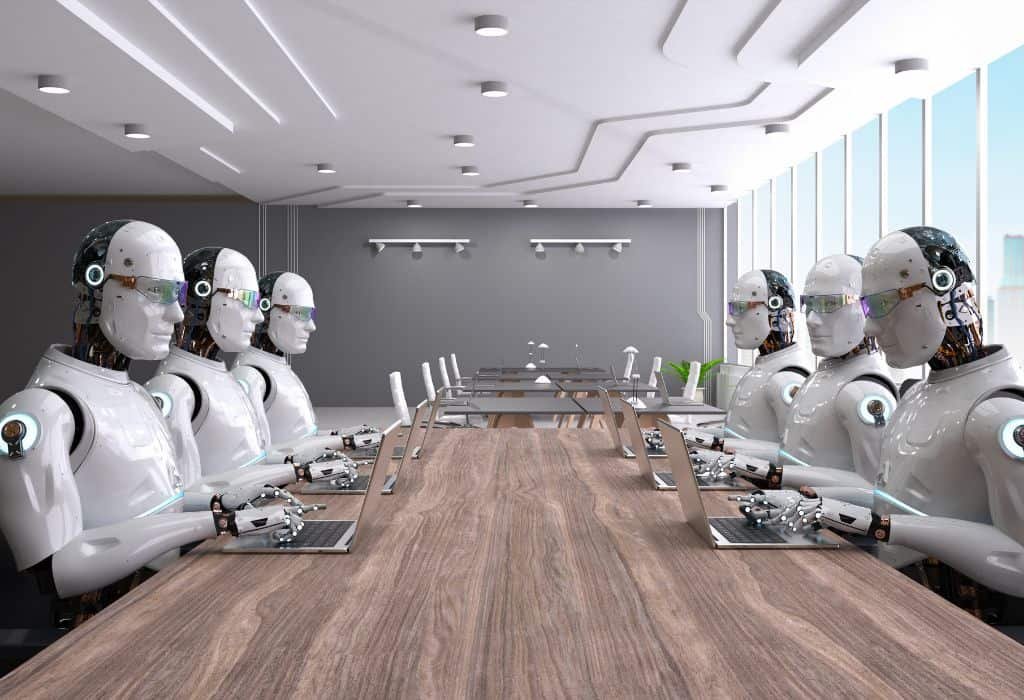

Artificial intelligence is transforming the workplace in India and globally, raising questions about whether it will replace human jobs or create new opportunities. In 2025, AI adoption is accelerating across sectors like IT, manufacturing, finance, and healthcare. For workers and businesses in Tier 2 and 3 cities, understanding AI’s impact is critical to adapt, reskill, and leverage technology for growth.
AI can automate repetitive and routine tasks, which may reduce demand for certain roles in data entry, basic analysis, and customer service. Businesses benefit from increased efficiency and lower costs, but employees in these roles must anticipate change and acquire new skills.
At the same time, AI is generating new opportunities. Roles in AI development, machine learning, data analysis, and cybersecurity are expanding rapidly. Startups and companies adopting AI need talent for implementation, oversight, and creative problem-solving, creating jobs that did not exist a few years ago.
Reskilling and education are key to bridging this transition. Online courses, vocational training, and AI-focused programs help professionals and students prepare for emerging roles. In India, local initiatives in smaller cities are increasingly providing access to these learning opportunities.
Businesses also benefit from AI-enhanced productivity. By integrating AI tools, small and medium enterprises can streamline operations, analyze consumer behavior, and develop innovative products, opening avenues for entrepreneurship and economic growth outside metro hubs.
In conclusion, AI is reshaping the job market rather than simply replacing human workers. While some roles may diminish, new opportunities are emerging for those who adapt and reskill. By embracing AI thoughtfully, professionals and businesses across India, including Tier 2 and 3 cities, can thrive in the evolving digital economy.