
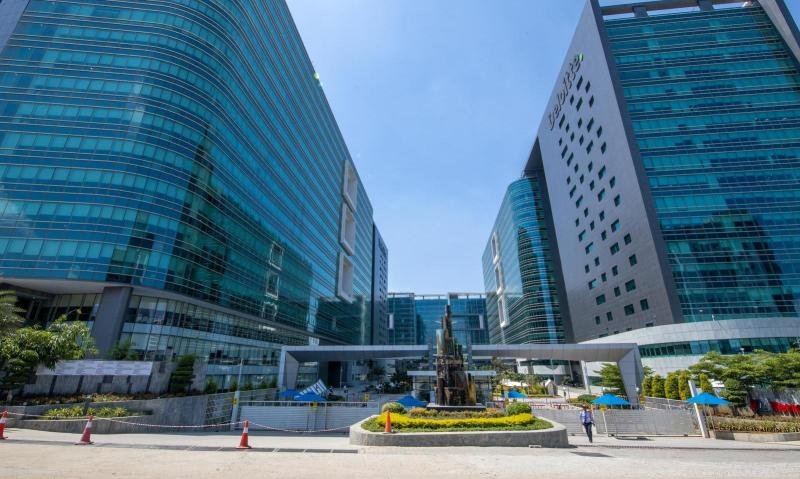

The trend of global capability centres (GCCs) gravitating toward Hyderabad is real and accelerating, making Hyderabad a major destination for multinational companies to build tech, analytics and innovation hubs. This shift has important implications for the local workforce—opening new job types, demanding new skills and raising expectations for employment pathways.
Hyderabad already hosts hundreds of GCCs and is attracting high-impact investments, turning what was once a cost arbitrage destination into a global strategic node. For the workforce in Hyderabad and the surrounding region this means improved career prospects, but also sharper competition and a need for up-skilling.
Why Hyderabad is emerging as a global capability centre hotspot
Hyderabad’s rise as a GCC hub is driven by several factors: availability of technical talent, modern office infrastructure, policy support from the state government and proximity to major tech parks. The city offers strong connectivity, both physical and digital, along with special economic zones and vast office space in areas like HITEC City and Gachibowli. Because many global firms now view GCCs not just as delivery centres but as innovation and product hubs, they are investing in Hyderabad accordingly.
For example, major companies are moving in with a focus on data analytics, cloud engineering, AI/ML and product development rather than just process work. That change in depth of work signals deeper opportunities for the workforce.
What this shift means for the local workforce and job creation
The influx of GCCs is creating job opportunities across layers—from early-career analysts and software engineers to mid-level product managers and senior technical leads. For fresh graduates in Hyderabad, the likelihood of landing roles in analytics, automation, robotics process design and cloud engineering is now significantly higher than before. The demand isn’t limited to technical skills: roles in talent management, operations, HR analytics and digital finance are also growing.
At the same time, quality expectations are rising. New entrants will need stronger foundations in programming, statistics, data modelling or DevOps. Employers are looking for people who can not only execute tasks but contribute to innovation and continuous improvement. This shift means training and development at local colleges and coaching hubs need to evolve.
Skills, up-skilling and career pathways in the GCC ecosystem
To thrive in a Hyderabad-based GCC, the workforce must align with modern capabilities. For software engineers it means familiarity with cloud platforms, containers, microservices and agile methodologies. For analytics roles, it means proficiency in data tools, visualisation, statistical methods and business domain understanding. Mid-career professionals will need to adopt leadership in digital transformation, automation strategy and cross-functional collaboration.
Local training providers, polytechnics and universities are responding. Hyderabad’s ecosystem also benefits from global firms running internal training programmes for new employees, exposing them to global standards. For job seekers in smaller nearby towns and satellite cities, commuting or relocation to Hyderabad may become a factor as GCCs often look for deeper talent pools.
Impacts on local economy, salaries and employment patterns
GCC growth in Hyderabad is boosting demand for office space, commercial real estate, hospitality and retail—creating a multiplier effect in the local economy. Salary levels for freshers in GCCs have gradually risen, and compensation for mid-level professionals has become more competitive with metrocity benchmarks. For independent contractors and small talent agencies, the demand for niche tech roles like cloud automation or cybersecurity is a new growth area.
But it also means competition increases. Local talent from Hyderabad and beyond must stay updated; earlier advantages of proximity are diminishing as GCCs look for excellence rather than just location. Firms may hire from other Indian cities, adding pressure to maintain skill relevance and performance.
Challenges and what workforce should watch out for
While the narrative is positive, the workforce in Hyderabad should remain aware of certain challenges. Rapid job growth may lead to skills gaps and training delays. Professionals may face transitions from routine tasks to more demanding work requiring continuous learning. Work culture in a global centre can differ—expectations of global collaboration, performance metrics and flexibility may increase.
For individuals, this means not treating a GCC job as just another IT role but as a global standard role. Salary is important but so is skill growth, opportunities to design, lead and influence. For the workforce in and around Hyderabad, staying relevant means constant learning, certifications, global exposure and soft skills development.
Takeaways
Hyderabad’s GCC boom brings high-impact jobs in cloud, AI and analytics
Fresh talent must up-skill in modern tech and global working modes
Mid-career professionals should prepare for leadership in digital transformation
Relocation, mobility and continuous learning are becoming key to staying competitive
FAQ
What types of roles are most in demand in Hyderabad GCCs?
Roles in cloud engineering, data analytics, automation, product engineering, user experience, cybersecurity and process design are highly sought after.
Do I need to move to Hyderabad to access these opportunities?
While many GCCs are based in Hyderabad, some roles allow remote work or work-from-hybrid arrangements, but being physically available can increase access to better roles.
How much have salaries grown for GCC roles in Hyderabad?
Salaries for fresh graduates and mid-level professionals have been rising, with better packages for roles involving cloud, AI and product engineering compared to traditional delivery roles.
What must local colleges and training providers focus on now?
Training must emphasise cloud platforms, analytics tools, agile practices, problem solving, global collaboration skills and soft skills like communication and project ownership.