
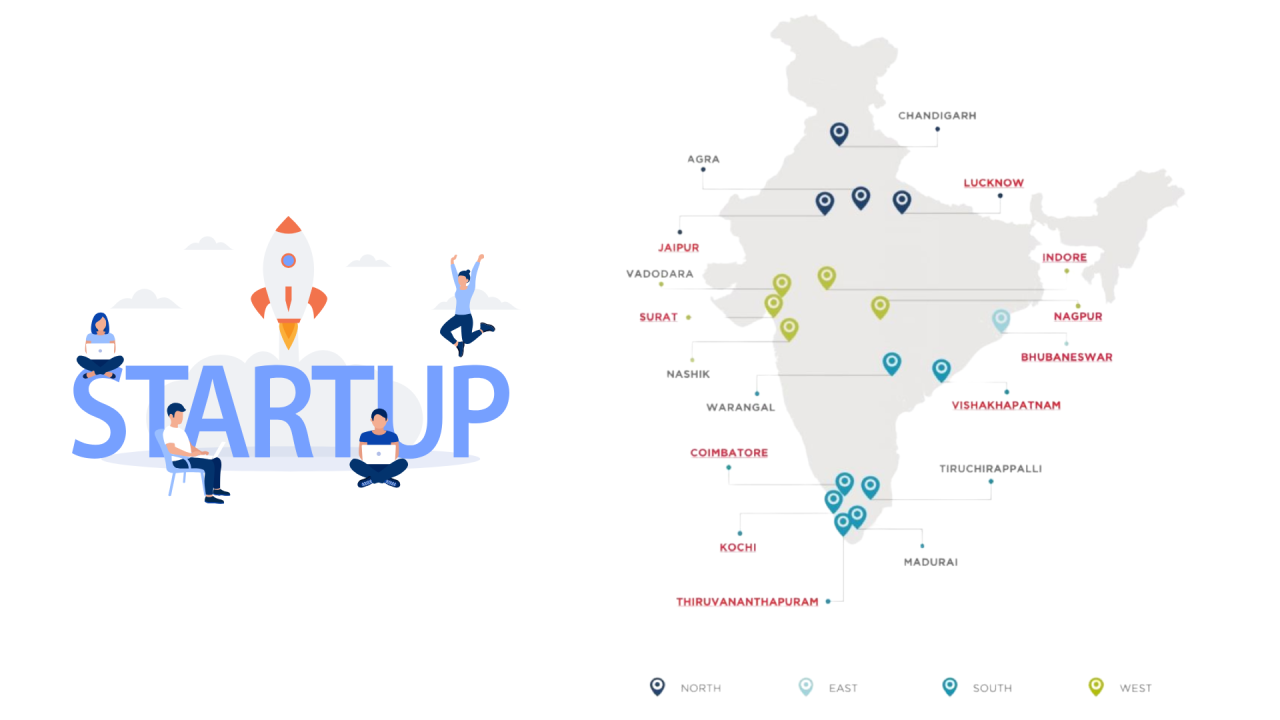

Many founders want to understand how to plan year end startup funding in tier 2 cities as investors reassess portfolios before closing annual books. The final quarter creates a narrow but active window where startups can secure capital if they follow a disciplined approach aligned with investor expectations.
Understanding year end funding patterns and tier 2 startup behaviour
This is an evergreen topic because funding cycles repeat annually. Investor behaviour typically tightens during the final quarter as they balance risk, sector exposure and compliance requirements. Startups in tier 2 cities face additional challenges including smaller networks, limited pitch visibility and slower access to formal incubators. Funding, however, still flows into regional markets because investors want diversified portfolios and lower operating cost structures. Many founders assume year end means reduced opportunity but the opposite can occur when investors need to deploy capital before closing financial statements. Understanding this timing helps founders adjust outreach and prepare targeted pitch material. A structured process is more impactful than broad outreach.
Preparing financials and using secondary metrics to stand out
Clear financial documentation is the foundation of year end funding. Investors evaluate projections more critically during this period because they want predictable performance indicators. Startups must assemble audited financials, updated cash flow forecasts and unit economics. The secondary keyword startup metrics fits well here because these indicators influence investment readiness. Founders should also present customer acquisition efficiency, retention rates and operational stability. Tier 2 startups often excel in cost efficiency but fail to highlight it. Demonstrating stable burn rates, profitability potential or actual profits strengthens the pitch. Year end investors prefer calmer financial profiles that reduce risk. Examples include SaaS firms with low churn or D2C brands with consistent repeat purchases.
Building investor pipelines and using regional networks effectively
Investor outreach must be more focused during year end. Instead of mass pitch emails, founders should build a curated pipeline of investors who actively invest in their sector and geography. Many angel networks, regional venture groups and government backed incubators increase activity in the final quarter. The secondary keyword funding opportunities fits naturally because these networks create additional access points. Tier 2 cities often have strong local business communities that support early stage founders through smaller but reliable cheques. Leveraging district industry associations, startup summits and state innovation missions helps founders build visibility without competing directly with metropolitan ecosystems. Maintaining a concise data room and a two page investment brief accelerates investor screening, which is critical during compressed timelines.
Strengthening product validation and preparing evidence driven pitches
Product validation becomes a major decision driver at year end because investors want assurance that funds will accelerate scale rather than support experimentation. Startups must present a clear problem statement, validated through customer interviews, pilot usage or early revenue. Evidence driven pitches outperform narrative heavy presentations. Demonstrating traction metrics, user testimonials and conversion data helps investors assess reliability. This approach aligns with the secondary keyword startup growth because validation signals future scalability. Tier 2 founders should use regional case studies where local users solved real problems using the startup’s solution. Investors respond positively to grounded examples that show practical product market fit. A focused pitch deck with measurable outcomes creates a strong impression during year end scrutiny.
Planning cash utilisation and establishing transparent capital deployment plans
Investors expect clarity on how the startup will use funds. At year end, financial discipline becomes even more important because investors prefer structured deployment plans that reduce uncertainty. Startups must outline specific spending categories such as technology upgrades, sales expansion, hiring or marketing. Quantifying these allocations helps investors visualise how fresh capital translates into growth. Tier 2 startups often operate with lean teams, so detailed utilisation plans reassure investors that the startup can scale without creating unsustainable expenses. Founders should prepare a 12 month execution roadmap that includes risk assessment, milestone targets and fallback strategies. This improves investor confidence and increases the probability of funding closure before the financial cycle ends.
Aligning with government incentives and local funding programs
Tier 2 cities often benefit from state backed startup policies, incubation programs and grant based funds. These tools reduce dependence on traditional venture capital and strengthen early stage stability. Founders should identify available incentives, including tax benefits, prototype grants and interest subsidies. Many schemes open new application windows during year end, creating additional routes to secure funding. Using these programs effectively supports the secondary keyword startup funding strategies and enhances investor trust. Demonstrating government support also signals structural validation, which can influence private investor decisions. Tier 2 ecosystems like Indore, Kochi, Jaipur and Bhubaneswar have actively used these programs to attract early stage capital.
Takeaways
Tier 2 founders should plan funding outreach strategically around year end cycles.
Evidence based pitch decks and clear financials increase investor confidence.
Using regional networks and government programs widens funding access.
Detailed capital utilisation plans improve the odds of securing investment.
FAQs
Why is year end a good time for startup funding in tier 2 cities?
Investors often need to deploy remaining capital before closing annual books, creating a more active funding window for ready startups.
Do tier 2 startups face more challenges in fundraising?
Yes, mainly due to reduced visibility and smaller networks, but they also benefit from lower operating costs and strong local market validation.
What documents should be ready before pitching investors?
Audited financials, cash flow projections, unit economics, traction data and a concise pitch deck should be prepared.
How important are government incentives for tier 2 startup growth?
They play a significant role by offering grants, subsidies and incubation support that reduce financial pressure and attract private investors.