
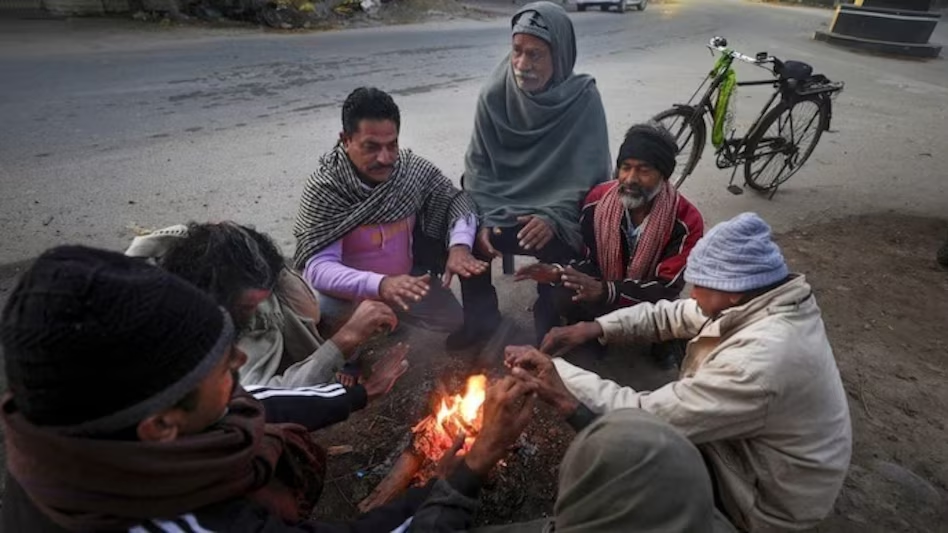

A strong cold wave is gripping North India with significant local effects in tier-2 cities as the India Meteorological Department has issued ongoing warnings. Temperatures are well below normal, dense fog is intensifying, and the chill is impacting daily life, transport and health across multiple urban centres.
What cold wave means and how IMD defines conditions
This topic is time sensitive with a news reporting style because IMD alerts are current and ongoing. The main keyword cold wave grips North India naturally appears here because the Meteorological Department has confirmed that widespread cold wave conditions are affecting the region, extending from plains to central India through December 12. A cold wave occurs when minimum temperatures fall significantly below normal for a region and persist for multiple days. IMD categorises frost, dense fog and chill winds under this condition, prompting formal alerts that guide readiness and precautionary measures. In the present pattern, cold wave conditions are moving east and south from northwest India, affecting cities in Uttar Pradesh, Punjab, Haryana and even central belt regions.
IMD alert breakdown and coloured warning signals
IMD uses different levels of advisories to communicate severity. Yellow alerts indicate that cold wave conditions are likely and residents should take basic precautions. Orange alerts suggest a stronger chill with higher risk to vulnerable populations, while red warnings mean action is advised immediately due to severe cold. Recent bulletins show isolated orange alerts particularly in Uttar Pradesh and neighboring plains, and widespread yellow alerts in central states as minimum temperatures stay 2 to 3 degrees below seasonal norms until at least December 12. Additionally, dense fog is forecast for early mornings in many districts, further compounding travel challenges. Railway operations, bus schedules and road visibility are affected because early morning fog sets in during peak commute times, especially in tier-2 cities where infrastructure for fog mitigation is limited.
Impact on tier-2 urban centres and local daily life
Tier-2 cities such as Dehradun, Agra, Lucknow and Kanpur are reporting noticeable temperature drops with minimums significantly lower than typical December averages. These cities usually experience mild winter chill but current patterns have intensified cold early in the season. Residents report earlier wake up times to deal with frost on vehicles and chilled indoor conditions. Public markets are less crowded in early hours and local businesses that rely on morning footfall are feeling the immediate effects. Schools in several cities have adjusted morning assemblies to later hours to avoid exposing children to severe early morning cold. Layered clothing like woollens, thermal wear and head covers have become essential even during daytime. Household energy use rises as more people rely on electric heaters or room warmers, adding to short term power demand stresses.
Health risks, fog effects and transport disruption
Cold wave conditions elevate the risk of respiratory illnesses, joint stiffness and flu-like symptoms especially among the elderly and children. Medical clinics in tier-2 cities are observing higher footfall for cold related complaints. Dense fog reduces visibility sharply before sunrise, increasing the risk of road and rail accidents. Transport authorities are enforcing speed limits on highways and advising extra caution. Train timetables are frequently rescheduled due to low visibility at smaller stations that lack advanced fog signaling. In cities with moderate pollution, cold trapping of air near the surface can lead to temporary air quality deterioration early in the morning, affecting people with asthma or chronic lung issues. This combination of cold and fog is typical in winter but the current intensity is above normal for this time period.
Economic and agricultural ripple effects
Cold waves also extend impacts to agriculture and daily wage sectors. Crops sensitive to frost, such as vegetables and certain rabi crops, require additional protective measures like covering or irrigation timing adjustments. Farmers in peri-urban and rural belts near tier-2 cities are adjusting field routines to avoid frost damage during early mornings. Daily wage workers who work outdoors face reduced hours because of extreme early morning chill and visibility concerns. Retailers selling winter products like heaters, warm clothing and blankets report surge in demand in these cities. Local service sectors such as home maintenance and repairs note that scheduling outdoor work becomes more challenging during cold and foggy conditions.
Precautions and community coping strategies
As cold wave conditions persist, municipal bodies are issuing public advisories for residents to stay indoors during peak chill hours before sunrise. Simple community measures such as warming centres for the elderly, extended clinic hours for cold related issues and fog awareness campaigns are increasingly common. Individuals are advised to keep hydrated, maintain balanced diet and monitor vulnerable family members more closely. Keeping mobile weather alerts active and adjusting travel plans to daylight hours reduces risk. Businesses are also adjusting shift timings to align with warmer parts of the day, reducing exposure to cold.
Takeaways
Cold wave conditions are spreading across North India with persistent low temperatures.
IMD yellow and orange alerts guide precaution levels for residents.
Tier-2 cities face practical impacts on daily life, transport and small business.
Fog and health risks are compounding local effects requiring focused adaptation.
FAQs
What is a cold wave alert from IMD?
A cold wave alert signals that the minimum temperature is well below normal and residents should take precautionary measures to protect health and safety.
Why do tier-2 cities feel the cold more intensely?
These cities often lack advanced heating infrastructure and have limited fog mitigation systems, making cold and low visibility effects more acute.
How does dense fog affect travel during cold waves?
Fog reduces visibility, leading to slower traffic, rescheduled trains and higher risk of accidents during early morning hours.
Who is most vulnerable during a cold wave?
Children, elderly and people with respiratory or cardiovascular conditions are more susceptible to health issues during prolonged cold and foggy conditions.