
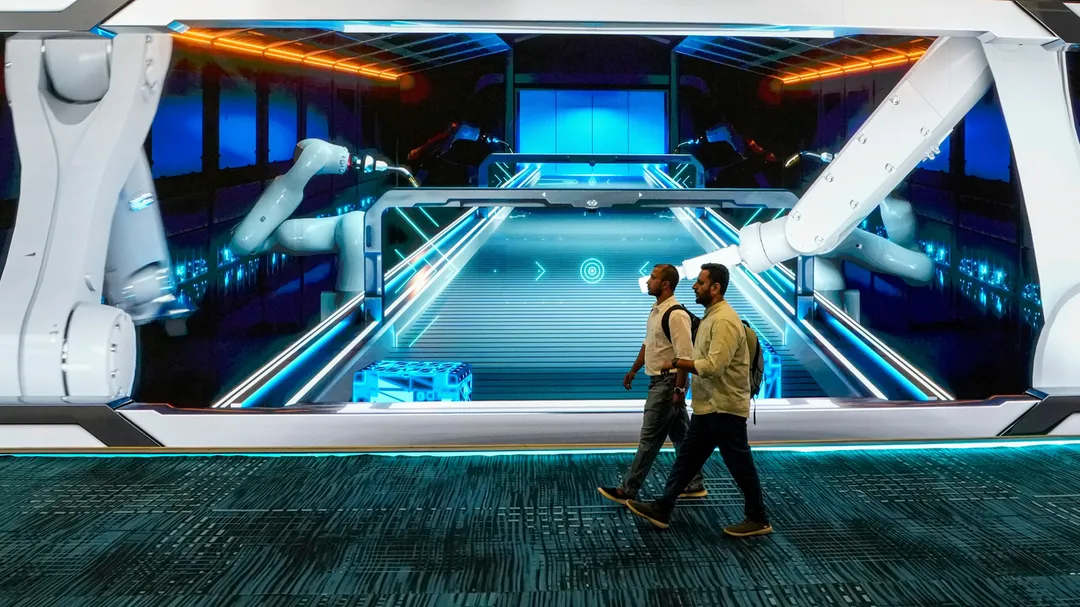

After AI Summit 2026, attention has shifted to how Tier 2 tech hubs such as Nagpur and Vadodara will benefit from new policy signals and investment commitments. The summit highlighted artificial intelligence adoption, semiconductor push, and startup ecosystem expansion beyond metro cities.
After AI Summit 2026, policy discussions and industry announcements indicate a deliberate shift toward decentralizing India’s technology growth. While major metros remain innovation centers, Tier 2 cities are increasingly positioned as execution hubs for AI deployment, manufacturing, and digital services. Nagpur and Vadodara stand out due to infrastructure upgrades, academic presence, and industrial ecosystems.
Policy Signals Supporting Tier 2 AI Expansion
One of the key outcomes of AI Summit 2026 was the emphasis on inclusive technology growth. Policymakers reiterated support for expanding AI research, skilling programs, and startup incentives outside traditional metro clusters.
State governments have been encouraged to align local startup policies with national AI strategies. This includes incubation grants, faster approvals for technology parks, and partnerships with engineering institutions. Cities like Nagpur, with strong logistics connectivity and central geographic positioning, are well suited for data centers and AI enabled services.
Vadodara, known for its industrial base in chemicals and manufacturing, can integrate AI driven automation and predictive maintenance systems into existing industries. Policy frameworks discussed at the summit signal support for such sector specific AI adoption.
Investment Momentum Moving Beyond Metros
Investment conversations at the summit reflected a maturing funding environment. Venture capital firms are increasingly exploring startups based in Tier 2 cities due to lower operating costs and access to emerging talent pools.
Nagpur has witnessed gradual growth in IT parks and startup incubators over the past few years. With improved fiber connectivity and competitive real estate costs, the city offers advantages for early stage SaaS and AI analytics startups.
Vadodara benefits from Gujarat’s pro business policies and established industrial corridors. Investors view such cities as attractive for deep tech manufacturing, AI powered industrial software, and hardware integration projects. The summit reinforced investor confidence that growth in artificial intelligence will not remain limited to Bengaluru or Hyderabad.
Skilling and Talent Development as Core Priorities
A major theme of AI Summit 2026 was workforce readiness. Expansion of AI training programs and digital skilling initiatives is central to spreading opportunities across Tier 2 regions.
Engineering colleges in cities like Nagpur and Vadodara are expected to collaborate more closely with industry partners. Short term certification programs in machine learning, data science, and cloud computing are likely to expand.
Local talent retention is another focus area. Many graduates from Tier 2 cities migrate to metro hubs for employment. Strengthening regional startup ecosystems and corporate presence can reduce this migration and support balanced economic growth.
Infrastructure and Data Ecosystem Development
AI driven growth requires robust infrastructure. Discussions after AI Summit 2026 highlighted the need for reliable power supply, high speed internet, and secure data storage facilities.
Nagpur’s central location and improving logistics infrastructure make it a potential candidate for regional data centers. Data localization requirements and enterprise cloud adoption are creating demand for distributed storage facilities.
Vadodara’s proximity to major industrial corridors and ports strengthens its case for technology integrated manufacturing. AI applications in supply chain optimization, quality control, and predictive analytics can thrive where industrial ecosystems already exist.
Challenges That Tier 2 Tech Hubs Must Address
Despite positive signals, challenges remain. Access to large scale venture capital is still concentrated in metro cities. Tier 2 founders may need to rely on hybrid funding models combining local angel networks and national investors.
Another challenge is ecosystem density. Metro cities offer dense networks of mentors, accelerators, and corporate partnerships. Tier 2 hubs must actively build such networks through regular industry events and collaborations.
Quality of life factors also influence talent decisions. Improving urban infrastructure, housing, and public services can help cities like Nagpur and Vadodara attract and retain high skill professionals.
Long Term Economic Impact for Regional Growth
If implemented effectively, policy and investment momentum after AI Summit 2026 could reshape India’s digital geography. Tier 2 cities can emerge as specialized hubs rather than direct competitors to metros.
Nagpur could position itself as a logistics tech and data services hub, leveraging central connectivity. Vadodara may evolve into an AI enabled industrial innovation center aligned with manufacturing strengths.
Decentralized growth reduces pressure on metro infrastructure while distributing economic benefits more evenly. This aligns with broader national objectives of balanced regional development and digital inclusion.
The coming years will determine how effectively announcements translate into on ground execution. Consistent policy support, private investment, and local entrepreneurship will define outcomes for Tier 2 tech hubs.
Takeaways
• AI Summit 2026 emphasized expanding technology growth beyond metro cities
• Nagpur and Vadodara are positioned for AI driven services and industrial integration
• Skilling programs and local talent retention are critical for sustainable growth
• Infrastructure readiness will determine long term success of Tier 2 tech ecosystems
FAQs
Q1. Why are Tier 2 cities important after AI Summit 2026?
They offer lower operational costs, emerging talent pools, and growing infrastructure, making them suitable for AI adoption and startup expansion.
Q2. What sectors can benefit most in Nagpur and Vadodara?
Logistics tech, data services, industrial automation, and AI driven manufacturing solutions show strong potential.
Q3. Will investors seriously fund Tier 2 startups?
Yes, especially if startups demonstrate strong unit economics, scalable models, and clear market demand.
Q4. What is the biggest challenge for Tier 2 tech hubs?
Building dense support ecosystems including mentors, investors, and skilled workforce remains the primary challenge.