
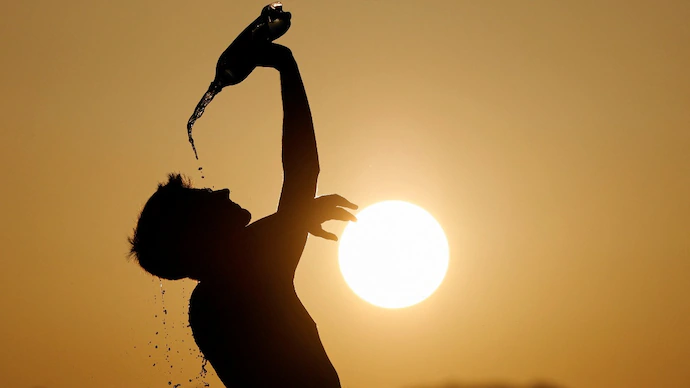

India is witnessing rising heatwaves this May, with several states reporting extreme temperatures. Staying safe during heatwaves is now a public health priority, especially in urban and Tier-2 cities where heat stress is increasing due to dense construction and limited green cover.
Understanding Heatwave Conditions in India
A heatwave in India is officially declared when temperatures cross specific thresholds set by the India Meteorological Department. In many regions, especially central and western India, daytime temperatures are already touching 42 to 45 degrees Celsius this season.
Cities like Nagpur, Jaipur, and parts of Gujarat often experience prolonged dry heat combined with high solar radiation. Urban heat island effects make conditions worse in cities where concrete retains heat even after sunset.
This year, forecasts suggest longer and more intense heat spells, making awareness and preparation essential for daily life.
Early Signs of Heat-Related Illness You Should Not Ignore
Understanding how heat affects the body can help prevent serious health risks. Heat exhaustion and heatstroke are the two most common conditions during extreme summer.
Early symptoms include dizziness, excessive sweating, fatigue, headache, and muscle cramps. If ignored, this can escalate to heatstroke, where body temperature rises above 40 degrees Celsius. At this stage, confusion, nausea, and even unconsciousness may occur.
Children, elderly individuals, outdoor workers, and people with pre-existing health conditions are at higher risk. Recognising these symptoms early can prevent medical emergencies.
Practical Ways to Stay Safe During Heatwaves
To stay safe during heatwaves in India, small daily habits can make a big difference. The first rule is hydration. Drink water frequently even if you do not feel thirsty. Oral rehydration solutions and natural drinks like buttermilk and coconut water help maintain electrolyte balance.
Avoid stepping out during peak hours between 12 PM and 4 PM when temperatures are at their highest. If stepping out is necessary, wear light-coloured, loose cotton clothes and use protective gear like hats or umbrellas.
Keep your living space cool by using curtains during the day, cross ventilation, and energy-efficient cooling appliances. Even simple practices like placing a bowl of water in front of a fan can help reduce room temperature slightly.
Safety Tips for Tier-2 and Tier-3 City Residents
In smaller cities, power cuts and water shortages often worsen heatwave conditions. Planning ahead becomes critical in such areas.
Store drinking water in advance and keep backup power solutions ready if possible. Avoid cooking during peak afternoon hours to reduce indoor heat. Shift heavy physical work to early morning or late evening.
Local authorities in many cities open public cooling centres and water distribution points during peak heat periods. Staying informed about these local resources can provide immediate relief when needed.
Protecting Children, Elderly, and Outdoor Workers
Vulnerable groups require extra attention during heatwaves. Children should not be allowed to play outdoors during peak sun hours. Schools in many states adjust timings or declare holidays during severe heat conditions.
Elderly individuals should stay indoors in well-ventilated spaces and maintain consistent hydration. Outdoor workers such as delivery personnel, construction workers, and traffic police face the highest exposure.
Employers and local administrations are increasingly encouraging frequent breaks, shaded rest areas, and access to drinking water for such workers. These measures are crucial to prevent heat-related illnesses.
Role of Government Advisories and Public Awareness
Government agencies regularly issue heatwave advisories to guide citizens. These advisories include do’s and don’ts, emergency contacts, and region-specific alerts.
Public awareness campaigns through SMS alerts, social media, and local announcements are becoming more common. Following these updates can help individuals make informed decisions daily.
Simple awareness combined with preventive action can significantly reduce the impact of extreme heat on health and productivity.
Takeaways
• Drink water regularly and avoid dehydration throughout the day
• Stay indoors during peak afternoon hours whenever possible
• Recognise early symptoms of heat exhaustion and act quickly
• Follow local advisories and prepare for power or water disruptions
FAQs
What is the safest way to stay hydrated during a heatwave?
Drink water at regular intervals and include fluids like coconut water and ORS to maintain electrolyte balance.
Which time of day is most dangerous during a heatwave?
The period between 12 PM and 4 PM is usually the hottest and most risky for outdoor exposure.
How can I keep my home cool without air conditioning?
Use curtains to block sunlight, ensure cross ventilation, and avoid using heat-generating appliances during the day.
Who is most at risk during extreme heat?
Children, elderly individuals, and people working outdoors are the most vulnerable to heat-related illnesses.