
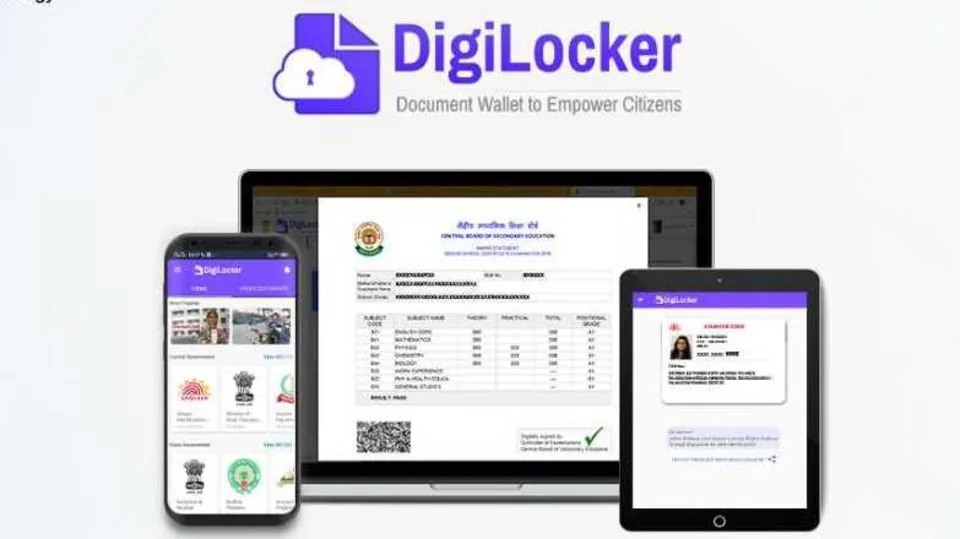

DigiLocker and Aadhaar have become key pillars of India’s digital governance system, helping citizens access government services, verify documents, and claim welfare benefits online. Understanding how these platforms work can save time, reduce paperwork, and simplify access to various schemes.
Claiming government benefits online has become easier with DigiLocker and Aadhaar integration across multiple public services. Whether applying for scholarships, pensions, subsidies, insurance schemes, or welfare programs, citizens can now complete much of the process digitally. The government’s push toward paperless governance has enabled millions of Indians to access services without repeatedly submitting physical documents. For people living in small towns and rural areas, these digital tools can significantly reduce travel, waiting times, and administrative hurdles.
What Are DigiLocker and Aadhaar Services?
DigiLocker is a government-backed digital document wallet that allows citizens to store, access, and share verified documents electronically. It was launched under the Digital India initiative to reduce dependence on physical paperwork.
Aadhaar, issued by the Unique Identification Authority of India (UIDAI), serves as a unique identity number linked to biometric and demographic information. Aadhaar authentication is widely used across government schemes and services to verify beneficiary identity.
When linked together, DigiLocker and Aadhaar enable users to access digitally verified documents such as Aadhaar cards, PAN cards, driving licences, educational certificates, vehicle registration certificates, and other official records.
This integration helps government departments verify eligibility faster and reduces document-related fraud.
Why Aadhaar Linking Matters for Government Schemes
Many welfare programs use Aadhaar-based verification to ensure benefits reach the intended beneficiaries. Direct Benefit Transfer (DBT) systems rely heavily on Aadhaar-linked bank accounts to transfer subsidies and financial assistance directly to recipients.
Examples include LPG subsidies, scholarship schemes, pension programs, agricultural support initiatives, and various state government welfare benefits.
Aadhaar helps eliminate duplicate records and streamlines identity verification during the application process. However, applicants should always ensure that their Aadhaar information is accurate and updated, including mobile numbers linked to the account.
Without proper Aadhaar authentication, delays in application processing or benefit disbursement may occur.
How to Create and Set Up a DigiLocker Account
Creating a DigiLocker account is a straightforward process.
Users need a valid mobile number and Aadhaar number. After registration, an OTP is sent for verification. Once the account is activated, users can connect their Aadhaar details and begin accessing digital documents.
Many government-issued documents can be fetched automatically from participating departments. Instead of uploading scanned copies, users can often retrieve verified digital versions directly from the issuing authority.
The platform also allows users to upload personal documents for storage, though government-issued verified documents carry greater validity during official verification processes.
Having a properly configured DigiLocker account can significantly simplify applications for government services.
How to Claim Government Benefits Online
The exact process varies depending on the scheme, but the general workflow remains similar across most government portals.
First, visit the official portal of the relevant government scheme. Create an account if required and complete the registration process.
During application, users may be asked to verify identity using Aadhaar authentication. Many portals now allow direct integration with DigiLocker for document retrieval.
Instead of manually uploading certificates, applicants can grant permission to access verified documents from their DigiLocker account. This reduces errors and speeds up document verification.
After submitting the application, users can track status updates online and receive notifications regarding approval, additional requirements, or benefit disbursement.
Common Government Benefits Accessible Through Digital Services
A growing number of central and state government schemes support digital verification through Aadhaar and DigiLocker.
These include educational scholarships, pension programs, skill development schemes, farmer assistance programs, employment-related benefits, social welfare initiatives, and various subsidy programs.
Educational institutions, transport departments, tax authorities, and financial service providers also increasingly accept DigiLocker-issued documents for verification purposes.
The expansion of digital governance has made it easier for citizens to interact with multiple government agencies without repeatedly submitting the same paperwork.
Safety Tips While Using Aadhaar and DigiLocker
Although these platforms are secure, users should follow good digital practices to protect personal information.
Never share OTPs received on your mobile phone. Use only official government websites and applications when accessing services.
Avoid logging into accounts through public computers or unsecured networks. Regularly update passwords and verify account activity.
Users should also ensure that mobile numbers linked to Aadhaar remain active, as many authentication services depend on OTP-based verification.
Being cautious online helps prevent unauthorized access and protects sensitive personal data.
The Future of Digital Governance in India
India’s digital public infrastructure continues to expand rapidly. Aadhaar, DigiLocker, and related digital platforms are helping create a more efficient and transparent service delivery system.
As more government departments adopt paperless workflows, citizens can expect faster approvals, simplified documentation requirements, and improved access to welfare benefits.
For residents of small towns and rural areas, digital governance tools are reducing barriers that previously made government services difficult to access. Understanding how to use DigiLocker and Aadhaar effectively can help citizens take full advantage of these evolving digital services.
Key Takeaways
• DigiLocker allows citizens to store and share verified government documents digitally.
• Aadhaar authentication helps verify identity for welfare schemes and public services.
• Many government portals now support direct document retrieval through DigiLocker integration.
• Using official websites and protecting OTPs are essential for account security.
FAQ
Q1. Is DigiLocker legally valid for government applications?
Yes. Documents issued through DigiLocker by authorized government departments are generally considered legally valid for many official verification purposes.
Q2. Do I need Aadhaar to use DigiLocker?
While DigiLocker can be accessed using mobile-based registration, Aadhaar linking provides access to additional verification and document retrieval features.
Q3. Can DigiLocker be used for scholarship and pension applications?
Yes. Many scholarship, pension, and welfare scheme portals accept documents retrieved through DigiLocker.
Q4. What should I do if my Aadhaar-linked mobile number changes?
You should update your mobile number through the official Aadhaar update process to ensure continued access to OTP-based authentication services.
(Keyword Suggestions: DigiLocker benefits, Aadhaar services India, government benefits online, DigiLocker document verification, Aadhaar authentication, Digital India services, Direct Benefit Transfer, welfare schemes India, online government applications, DigiLocker registration)