
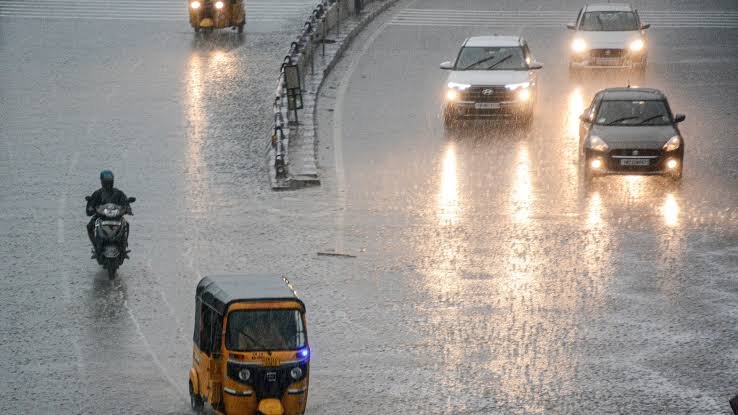

The India Meteorological Department (IMD) has issued heavy rainfall alerts for several parts of the country as active monsoon conditions continue on 31 July 2026. Residents in Tier 2 cities should monitor official weather updates, prepare for possible disruptions, and follow local advisories to stay safe.
Heavy Rain Alerts Across India: What Tier-2 Cities Should Prepare For Today
The heavy rain alerts across India issued by the India Meteorological Department indicate that several states are likely to experience moderate to heavy rainfall, thunderstorms, lightning, and strong winds today due to an active monsoon system. Regions including Maharashtra, Gujarat, Rajasthan, Uttar Pradesh, Odisha, Telangana, and parts of central and northern India remain under varying weather alerts.
For residents of Tier 2 cities such as Nagpur, Vadodara, Surat, Indore, Nashik, Udaipur, Prayagraj, Ranchi, Jabalpur, and others, the focus should be on preparedness rather than panic. While not every city will receive extreme rainfall, localized waterlogging, traffic congestion, and temporary disruptions are possible wherever heavy showers occur.
Since weather systems evolve throughout the day, citizens should rely on the latest IMD bulletins and updates from local district administrations.
Which Areas Are Under Close Watch Today?
According to the latest IMD forecasts, widespread rainfall activity is expected across multiple regions as the southwest monsoon remains active.
Gujarat is among the states facing the highest concern, with red alerts issued for districts including Vadodara and Ahmedabad due to forecasts of very heavy to extremely heavy rainfall. Flood-prone areas continue to remain under close observation following intense rainfall over the past week.
In Maharashtra, rainfall activity is expected across several districts, including Vidarbha and surrounding regions. Nagpur has already witnessed reduced school attendance after recent heavy rainfall and fresh IMD warnings prompted many families to remain cautious.
Northern states such as Uttarakhand and Himachal Pradesh are also experiencing heavy rain warnings, with authorities monitoring the risks of flash floods and landslides in vulnerable areas.
What Tier-2 Cities Should Expect
Heavy rainfall does not always result in flooding, but even moderate downpours can affect daily life in rapidly growing cities where drainage infrastructure is under pressure.
Residents should be prepared for:
- Waterlogging on major roads
- Traffic delays during office hours
- Temporary power interruptions
- Slower public transport services
- Reduced visibility while driving
- Localized flooding in low-lying neighborhoods
Cities with ongoing infrastructure projects may experience additional travel delays due to construction zones collecting rainwater.
People commuting by two-wheelers should remain particularly cautious during periods of intense rainfall and thunderstorms.
How Residents Can Prepare Before Leaving Home
Simple precautions can significantly reduce inconvenience during heavy rain.
Before beginning your day:
- Check the latest IMD district forecast.
- Charge mobile phones and power banks.
- Carry rain protection for electronic devices.
- Allow extra travel time.
- Keep emergency contact numbers accessible.
- Avoid unnecessary travel during periods of very heavy rainfall.
Motorists should avoid driving through flooded roads where water depth cannot be assessed. Even shallow-looking water may conceal open drains, potholes, or stalled vehicles.
If local authorities issue advisories requesting people to avoid certain routes, those instructions should be followed immediately.
Farmers, Small Businesses and Schools Should Stay Alert
Heavy rainfall affects more than transportation.
Farmers may experience temporary delays in harvesting, sowing, or field operations depending on local rainfall intensity. Agricultural advisories issued through government agencies can help farmers plan activities according to weather forecasts.
Retail businesses may see lower customer footfall during prolonged rainfall, while delivery services can experience slower operations because of waterlogged roads.
Schools and colleges in some districts may issue local notifications depending on rainfall conditions and administrative decisions. Parents are advised to monitor official communication from educational institutions instead of relying on unofficial social media messages.
Follow Only Official Weather Updates
During severe weather events, misleading information often spreads rapidly through messaging platforms.
Residents should depend on:
- India Meteorological Department weather bulletins
- Official district administration announcements
- State disaster management authorities
- Police traffic advisories
- Municipal corporation updates
Color-coded IMD alerts also help residents understand the seriousness of weather conditions.
A Yellow Alert indicates that people should stay informed.
An Orange Alert advises people to remain prepared for potentially severe weather.
A Red Alert signals the need for immediate precaution because dangerous weather conditions are expected.
Understanding these alerts allows citizens to make informed travel and safety decisions.
The Monsoon Situation Will Continue to Evolve
Monsoon weather systems remain dynamic and rainfall intensity can change within a few hours. Areas receiving light showers in the morning may experience heavy rainfall later in the day, while forecasts are updated regularly based on evolving atmospheric conditions.
For Tier 2 cities across India, preparedness is the most effective response. Monitoring official forecasts, avoiding unnecessary travel during intense rain, and following instructions from local authorities can help minimize risks while ensuring normal activities continue wherever conditions permit.
Takeaways
- Heavy rainfall alerts remain active across several Indian states on 31 July 2026, with some regions facing higher risks than others.
- Tier 2 cities should prepare for possible waterlogging, traffic delays, and localized service disruptions.
- Residents should rely only on IMD and official government advisories for weather updates.
- Basic precautions such as planning travel, protecting electronic devices, and avoiding flooded roads can improve safety during active monsoon conditions.
FAQ
Q1. Which organization issues official rain alerts in India?
The India Meteorological Department (IMD) is the country’s official authority for weather forecasts and rainfall warnings.
Q2. What does a Red Alert mean?
A Red Alert indicates that extremely severe weather is expected, and people should take immediate precautions while following instructions from local authorities.
Q3. Can heavy rainfall affect Tier 2 cities even without flooding?
Yes. Heavy rain may cause waterlogging, traffic congestion, power interruptions, slower public transport, and delays in daily activities even when large-scale flooding does not occur.
Q4. Where should people check the latest rain alerts?
Residents should refer to the IMD website, the Mausam mobile application, district administration notifications, and official state disaster management updates for the latest weather information.