
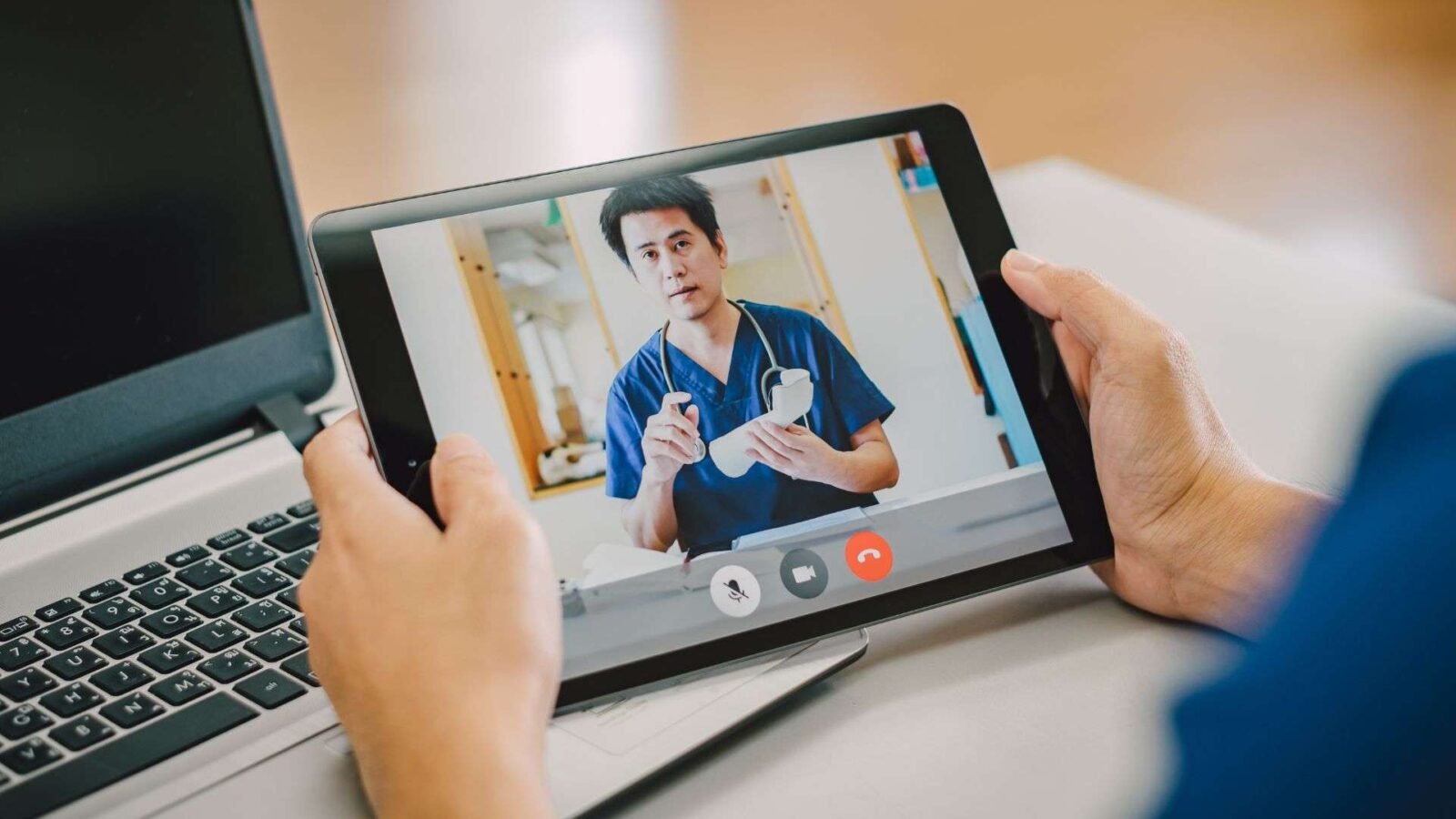

Accessing telemedicine services in smaller towns has become easier in India due to rapid digital adoption and government-backed health platforms. Telemedicine allows patients to consult qualified doctors remotely, reducing travel time and improving access to timely medical care.
Why Telemedicine Is Growing in Tier-2 and Tier-3 India
Telemedicine services in smaller towns are expanding due to improved internet connectivity and smartphone penetration. Government initiatives like Ministry of Health and Family Welfare have promoted digital healthcare to bridge gaps in rural and semi-urban areas.
The launch of platforms such as eSanjeevani has enabled free online consultations through government systems. This is particularly useful in areas where access to specialists is limited.
Private healthcare providers have also introduced teleconsultation apps, making healthcare more accessible and reducing dependence on physical visits.
What You Need to Use Telemedicine Services
Using telemedicine services requires basic digital access. A smartphone or computer with internet connectivity is sufficient for most platforms.
Patients need to register on a telemedicine platform, provide basic details such as name, age, and medical history, and choose the type of consultation required.
Video calls are commonly used for consultations, but some platforms also offer audio or chat-based options. Keeping previous prescriptions and reports ready can help doctors provide accurate advice.
For government services like eSanjeevani, registration is simple and often free of cost, making it suitable for users in smaller towns.
Step-by-Step Process to Book a Teleconsultation
To access telemedicine services in smaller towns, start by selecting a reliable platform. Government portals and recognised private apps are the safest options.
After registration, choose the medical department or specialist you need. Many platforms allow you to select consultation timings based on availability.
Once the appointment is booked, you will receive a confirmation along with a time slot. Log in at the scheduled time to connect with the doctor.
After the consultation, digital prescriptions are usually provided, which can be used to purchase medicines locally or online.
Popular Telemedicine Platforms Available in India
Several platforms provide telemedicine services across India. Government-run eSanjeevani offers both doctor-to-patient and doctor-to-doctor consultations, making it widely accessible.
Private platforms like Practo and Tata 1mg provide consultations with specialists, along with medicine delivery and diagnostic services.
These platforms often include features such as appointment scheduling, medical record storage, and follow-up consultations. Choosing a trusted platform ensures better quality and data security.
Benefits of Telemedicine for Small Town Residents
Telemedicine offers several advantages for people living in smaller towns. It reduces the need to travel long distances for medical consultations, saving both time and cost.
Access to specialists becomes easier, especially for conditions that require expert advice. Patients can consult doctors from metro cities without leaving their homes.
It also helps in managing chronic conditions through regular follow-ups. For elderly patients or those with mobility issues, telemedicine provides a convenient healthcare option.
During emergencies or seasonal health issues, quick access to medical advice can prevent complications.
Limitations and When Physical Visits Are Necessary
While telemedicine is useful, it cannot replace all types of medical care. Physical examinations, diagnostic tests, and emergency treatments still require in-person visits.
Conditions that involve severe pain, injuries, or sudden health deterioration should be addressed at the nearest hospital immediately.
Connectivity issues in some areas may also affect the quality of consultations. In such cases, audio or chat-based consultations can be an alternative.
Understanding these limitations helps users make informed decisions about when to use telemedicine and when to seek direct care.
Tips for Safe and Effective Teleconsultations
Choose platforms that are verified and widely used. Avoid sharing sensitive medical or personal information on untrusted apps.
Ensure a stable internet connection before starting the consultation. Sit in a quiet environment to communicate clearly with the doctor.
Provide accurate medical history and symptoms to receive appropriate advice. Follow prescribed instructions carefully and schedule follow-ups if needed.
Keeping a record of consultations and prescriptions can help in future treatments.
Takeaways
• Telemedicine provides easy access to healthcare in smaller towns
• Government and private platforms offer reliable consultation options
• Basic internet access and registration are enough to get started
• Use telemedicine for non-emergency conditions and follow medical advice
FAQs
Is telemedicine free in India?
Government platforms like eSanjeevani offer free consultations, while private apps may charge fees depending on the service.
Can I get prescriptions through telemedicine?
Yes, most platforms provide digital prescriptions after consultation.
Is telemedicine safe for medical advice?
Yes, if you use verified platforms and qualified doctors.
When should I avoid telemedicine?
In case of emergencies or conditions requiring physical examination, visit a hospital directly.