
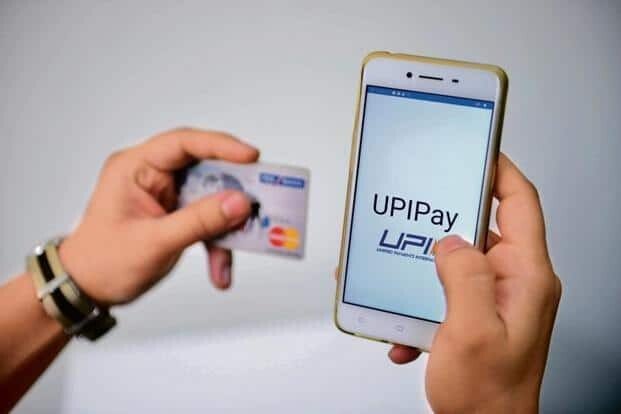

Digital cashback and UPI rewards have become a regular part of online payments in India, but scammers are increasingly using fake reward messages to steal money and personal information. Understanding how genuine cashback offers work and recognizing common fraud tactics can help users claim legitimate rewards safely while avoiding financial losses.
Why Cashback and UPI Reward Scams Are Increasing
Learning how to claim digital cashback and UPI rewards without falling for scams is becoming essential as digital payments continue to grow across India. Unified Payments Interface (UPI) has made everyday transactions quick and convenient, and many payment apps offer cashback, vouchers, and promotional rewards to encourage digital payments.
However, fraudsters take advantage of the popularity of these offers by sending fake SMS messages, WhatsApp forwards, emails, and social media posts claiming that users have won cashback or exclusive rewards. These messages often include links to fake websites or ask users to click on “Claim Reward” buttons that are designed to steal banking credentials.
Unlike genuine promotions, scam offers usually create urgency, promise unusually high rewards, or ask users to share confidential financial information. Understanding the difference between authentic offers and fraudulent schemes is the first step toward staying safe.
Understand How Genuine Cashback Offers Work
Legitimate cashback and reward campaigns follow a transparent process.
Banks and authorized payment platforms generally announce promotional offers through their official mobile apps, websites, verified social media accounts, or registered email communications. Cashback is usually credited automatically after completing eligible transactions or appears within the application as a reward that can be redeemed according to the terms of the promotion.
Users are rarely required to click unknown external links to receive genuine cashback. In most cases, rewards are processed within the official application itself.
Every promotion also includes eligibility criteria such as minimum transaction value, participating merchants, offer validity, and maximum cashback limits. Reading these conditions helps users understand whether they actually qualify for the reward.
Never Share Sensitive Banking Information
One of the most common tactics used by scammers is requesting confidential financial information.
No legitimate bank, UPI application, or payment service provider will ask customers to reveal their UPI PIN, ATM PIN, internet banking password, CVV, debit card PIN, or One-Time Password (OTP) to claim cashback.
Fraudsters may pretend to be customer support executives and ask users to verify their identity by sharing these details. In reality, such information can be used to authorize unauthorized transactions.
Users should also remember that receiving money through UPI does not require entering a UPI PIN. The PIN is only required when approving a payment or transferring money from your account.
If someone asks you to enter your UPI PIN to receive cashback, it is almost certainly an attempt to debit funds from your account.
Verify Reward Messages Before Clicking Any Link
Fake cashback notifications often appear convincing because they imitate the branding of popular payment platforms.
Before clicking any promotional link, verify whether the offer is available within the official mobile application or on the company’s verified website.
Be cautious if the message contains spelling mistakes, suspicious web addresses, shortened URLs, or exaggerated claims such as “Guaranteed ₹5,000 Cashback” or “Reward Expires in 10 Minutes.”
Scammers frequently use urgency to pressure users into acting without verifying the information.
If you receive a reward notification through WhatsApp or SMS from an unknown number, avoid opening the attached links until the promotion is confirmed through official channels.
Beware of Fake Customer Care and Screen Sharing Apps
Another growing fraud involves fake customer care representatives.
Scammers ask users to install screen-sharing applications while pretending to assist with cashback claims, refunds, or reward activation. Once screen access is granted, fraudsters can observe confidential banking information and manipulate financial transactions.
Legitimate customer support does not require customers to install remote access software simply to claim cashback or promotional rewards.
Similarly, avoid downloading unknown APK files or unofficial versions of payment applications. Always install financial apps from trusted app stores and keep them updated with the latest security patches.
Maintaining device security is an important part of protecting digital payments.
Enable Security Features and Monitor Transactions
Modern banking applications provide multiple security features that users should activate.
Enable transaction alerts through SMS, email, or app notifications to receive immediate updates whenever money moves from your account.
Use biometric authentication or strong device passwords to protect access to payment applications.
Regularly review bank statements and UPI transaction history. If you notice an unfamiliar transaction, report it to your bank or payment service provider immediately.
Quick reporting improves the chances of limiting financial damage and initiating appropriate dispute resolution procedures where applicable.
Staying alert after claiming cashback is just as important as verifying offers beforehand.
Practice Safe Digital Payment Habits
Safe digital payment habits reduce the likelihood of becoming a victim of online fraud.
Avoid forwarding unverified cashback offers to friends and family. Fraudulent messages often spread because recipients assume they came from trusted contacts.
Before participating in any promotional campaign, read the terms and conditions carefully. Understand the eligibility requirements, redemption process, and validity period.
Educating family members, especially first-time smartphone users and senior citizens, about common cashback scams can also prevent financial losses.
Responsible digital payment practices help users enjoy the convenience of UPI rewards while minimizing security risks.
Takeaways
- Claim cashback only through official banking or payment applications and verified websites.
- Never share your UPI PIN, OTP, passwords, or card details to receive rewards.
- Verify every cashback notification before clicking links or downloading applications.
- Enable transaction alerts and monitor account activity regularly for added security.
Frequently Asked Questions
1. Do I need to enter my UPI PIN to receive cashback?
No. Receiving money through UPI does not require entering your UPI PIN. The PIN is only needed when authorizing a payment from your account.
2. How can I verify whether a cashback offer is genuine?
Check the promotion directly within the official app or website of your bank or payment platform. Avoid relying solely on forwarded messages or unknown links.
3. Can customer care executives ask for my OTP or UPI PIN?
No. Legitimate customer support representatives do not ask for confidential information such as OTPs, UPI PINs, passwords, or debit card PINs.
4. What should I do if I click on a fake cashback link?
Immediately stop interacting with the website, change relevant passwords if necessary, contact your bank or payment service provider, and report any unauthorized transactions as quickly as possible.