
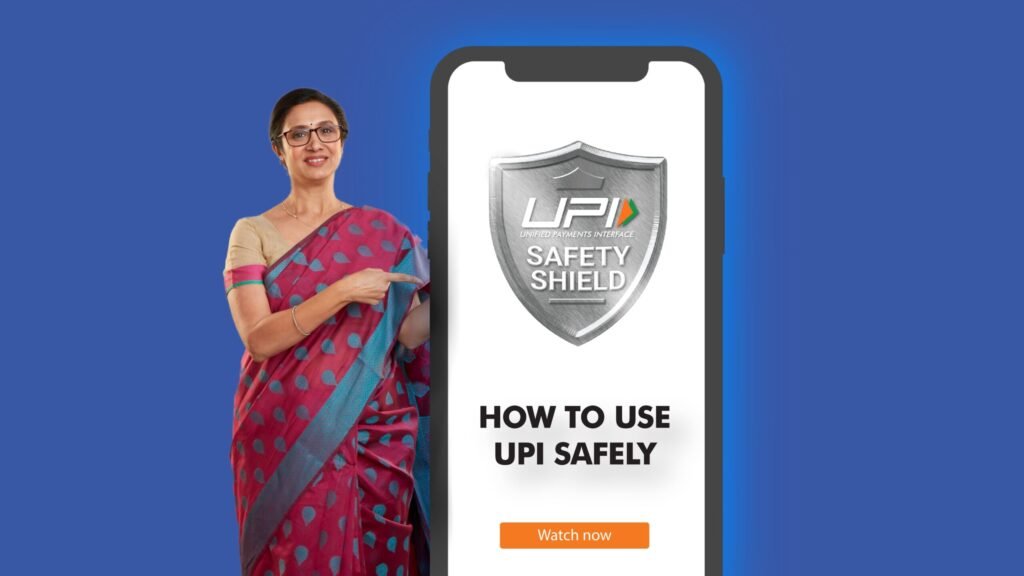

UPI has become India’s preferred digital payment method, especially during online shopping festivals and flash sales. While it offers speed and convenience, shoppers should follow essential security practices to avoid payment fraud, phishing scams, and unauthorized transactions.
How to use UPI safely while shopping during online sale events is an important question as millions of Indians make digital payments during festive sales, flash deals, and discount campaigns. Unified Payments Interface (UPI), developed by the National Payments Corporation of India (NPCI), enables instant bank-to-bank transfers through mobile apps. However, increased online shopping activity also attracts cybercriminals who attempt to exploit unsuspecting users. Understanding safe payment practices can help shoppers protect both their money and personal information.
Why Online Sale Events Attract Cyber Fraudsters
Major online sale events often see a sharp increase in digital transactions. Whether consumers are buying electronics, fashion products, home appliances, or groceries, UPI has become one of the fastest payment options.
Cybercriminals take advantage of this surge by creating fake shopping websites, sending phishing messages, impersonating customer support executives, and promoting fraudulent discount offers on social media and messaging platforms.
These scams usually rely on creating urgency through limited-time deals or fake cashback offers. Shoppers who rush through the payment process without verifying the seller may unknowingly expose themselves to financial fraud.
Awareness and caution remain the most effective defenses against such scams.
Verify the Shopping Platform Before Making UPI Payments
Before completing any payment, ensure that you are purchasing from a trusted website or mobile application.
Check that the website address begins with “https://” and displays the padlock icon in the browser. Verify the domain name carefully, as fraudsters often create websites with names that closely resemble popular online marketplaces.
Avoid clicking shopping links received through unsolicited SMS messages, emails, or social media posts. Instead, visit the retailer’s official website or app directly.
If shopping through a new seller, review customer ratings, return policies, contact details, and seller information before proceeding with payment.
Taking a few extra moments to verify the platform significantly reduces the risk of fraud.
Safe UPI Payment Practices Every Shopper Should Follow
UPI transactions are designed to be secure, but users must also follow good security habits.
Always verify the recipient’s name before approving a payment. Most UPI apps display the beneficiary’s registered name before the transaction is confirmed.
Never share your UPI PIN with anyone. Customer support representatives, banks, payment service providers, and government agencies will never ask for your PIN, OTP, or banking password.
Remember that entering your UPI PIN authorizes a payment. If someone asks you to enter your PIN simply to receive money or claim a cashback, it is almost certainly a scam.
Keep your UPI application updated to the latest version so that you benefit from the newest security improvements and bug fixes.
Beware of Common UPI Shopping Scams
Fraudsters continuously develop new techniques to deceive online shoppers.
Some common scams include:
- Fake cashback messages requesting UPI approval.
- QR codes that actually deduct money instead of crediting it.
- Fraudulent customer care numbers displayed on unofficial websites.
- Fake order cancellation requests.
- Phishing links asking users to log into banking accounts.
- Social media advertisements promoting unrealistic discounts.
Scammers often create pressure by claiming that offers will expire within minutes. Avoid making payments in haste and verify every request before approving any transaction.
If a deal appears significantly cheaper than market prices, it deserves additional scrutiny.
What to Do If a UPI Transaction Appears Suspicious
If you notice an unauthorized transaction or suspect fraud, act immediately.
First, contact your bank or payment service provider through official customer support channels. Many UPI applications also provide options to report suspicious transactions directly within the app.
Monitor your bank account regularly and review transaction history after every online shopping session. If necessary, temporarily disable UPI services until the issue is resolved.
Do not delete suspicious messages or screenshots, as they may be useful while reporting the incident.
Quick reporting improves the chances of preventing further unauthorized transactions.
Additional Tips for Safe Online Shopping
Secure digital payments involve more than just using UPI correctly.
Avoid making financial transactions while connected to public Wi-Fi networks. Use a secure mobile data connection or trusted private internet network whenever possible.
Enable biometric authentication or strong screen locks on your smartphone to prevent unauthorized access.
Activate transaction alerts through SMS and email so that every payment is immediately reported.
Regularly review your bank statements and remove UPI access from old or unused devices.
By combining secure payment habits with careful shopping practices, consumers can enjoy online sale events with greater confidence while minimizing cybersecurity risks.
Key Takeaways
- Verify websites and sellers before making UPI payments during online sales.
- Never share your UPI PIN, OTP, or banking credentials with anyone.
- Review recipient details carefully before approving every transaction.
- Report suspicious payments immediately through official banking or payment channels.
Frequently Asked Questions
Q1. Is UPI safe for online shopping?
Yes. UPI is a secure payment system when used through authorized applications and combined with safe digital practices such as verifying merchants and protecting your UPI PIN.
Q2. Can someone steal money using a QR code?
A QR code itself does not steal money, but scanning a fraudulent payment QR code and authorizing the transaction with your UPI PIN can result in funds being transferred to a scammer.
Q3. Should I enter my UPI PIN to receive money?
No. Receiving money through UPI does not require entering your UPI PIN. If someone asks you to enter your PIN to claim a refund or cashback, it is likely a scam.
Q4. What should I do if I accidentally paid a fraudster through UPI?
Immediately report the transaction through your UPI application or bank’s official customer support, preserve transaction details, and monitor your account for any further unauthorized activity.
(Internal keyword suggestions: UPI safety tips, safe UPI payments, online shopping security India, UPI fraud prevention, digital payment safety, online sale scams, phishing scams India, NPCI UPI guide, secure online shopping, QR code payment safety, UPI cyber security, safe digital transactions)