
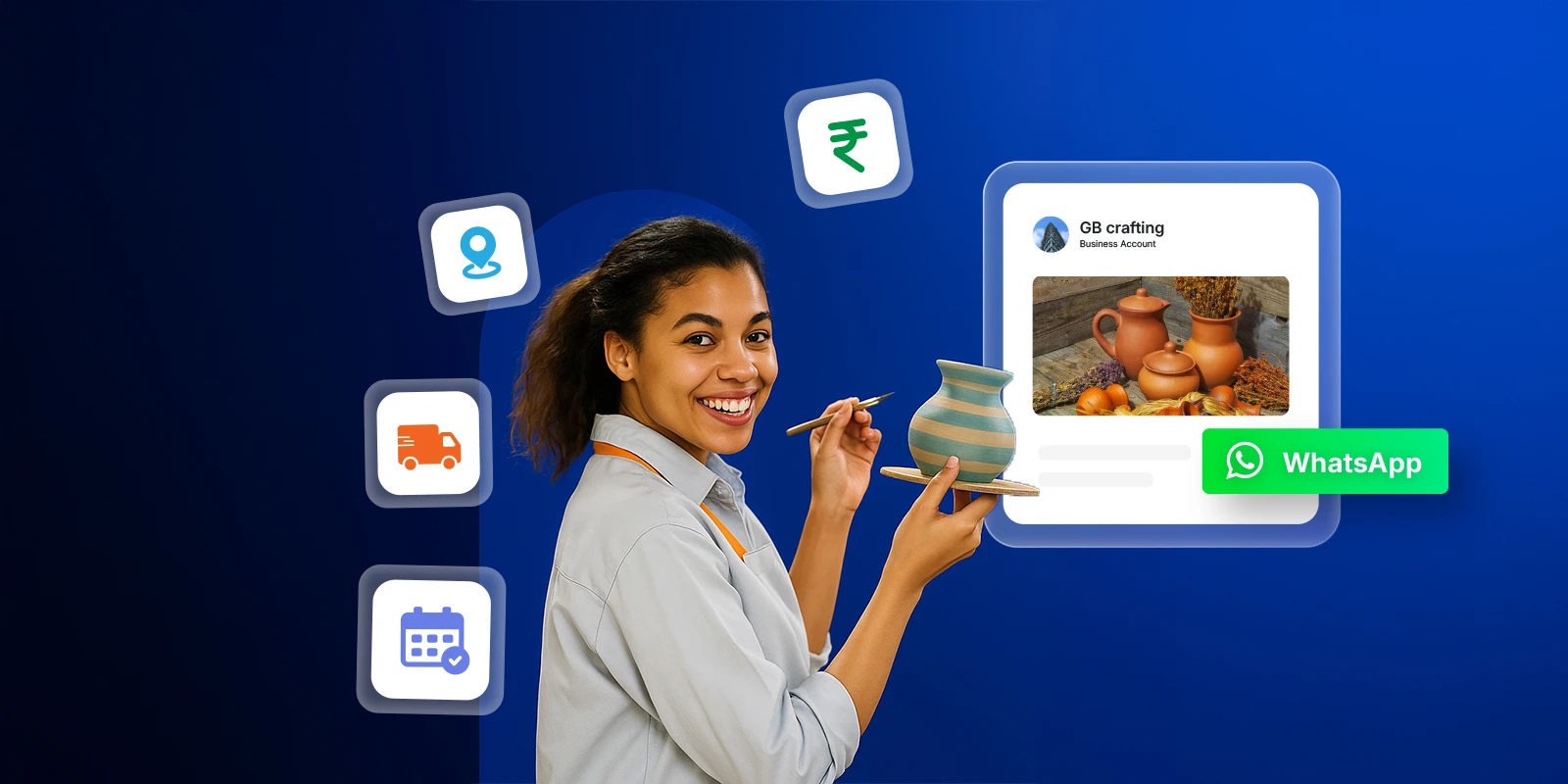

WhatsApp Channels are becoming a low-cost digital marketing tool for small shop owners in Tier-2 Indian cities. From clothing stores and grocery shops to home businesses and local cafes, many sellers are using the platform to share offers, updates, and product launches directly with customers.
WhatsApp Channels for local business growth are gaining popularity across India as small retailers search for affordable ways to reach customers online. In cities like Nagpur, Indore, Surat, Lucknow, Rajkot, Kochi, and Bhopal, shop owners are increasingly turning to WhatsApp instead of expensive advertising platforms or large e-commerce marketplaces.
Why WhatsApp Channels Are Growing in Tier-2 Cities
Small businesses in Tier-2 and Tier-3 cities often operate with limited marketing budgets. Traditional advertising through newspapers, local cable television, banners, or social media ads can become expensive for local shop owners.
WhatsApp Channels offer a simpler alternative. Business owners can post product photos, festival discounts, restock alerts, videos, and customer updates directly through a one-way broadcast system. Unlike regular WhatsApp groups, channels allow shop owners to send updates without customer replies cluttering the feed.
India has one of the world’s largest WhatsApp user bases, which makes the platform highly accessible even for first-time digital entrepreneurs. Many local customers already use WhatsApp daily for communication, payments, and shopping inquiries.
This familiarity has made adoption easier in smaller cities where businesses are slowly transitioning toward digital commerce.
How Small Shop Owners Are Using WhatsApp Channels
Local businesses are using WhatsApp Channels in different ways depending on their category and audience.
Clothing shops are sharing new arrivals, festive collections, and seasonal sales. Grocery stores are posting daily vegetable prices, delivery updates, and combo offers. Electronics shops are promoting exchange deals and smartphone launches.
Home bakers and small food businesses are using channels to announce menu updates and limited-time orders. Some tuition classes and coaching centres are also using channels to send admission notices and batch information.
Because channels support images, short videos, and clickable updates, many small businesses are treating them like a lightweight version of Instagram or Telegram without needing advanced technical knowledge.
For many local sellers, WhatsApp also feels more personal and trustworthy than unknown online marketplaces.
Why Customers Prefer WhatsApp-Based Local Shopping
Consumers in smaller cities often prefer direct communication with known local shops instead of ordering from unfamiliar online sellers. WhatsApp Channels help maintain this local trust while adding digital convenience.
Customers can quickly view updates without downloading separate apps or visiting websites. Many businesses also combine WhatsApp Channels with UPI payments and home delivery services.
Festival seasons such as Diwali, Eid, Raksha Bandhan, and wedding periods have become major growth opportunities for these businesses. Shop owners frequently use channels for flash discounts, booking reminders, and limited-stock alerts during high-demand weeks.
Another advantage is language flexibility. Many businesses share updates in Hindi, Marathi, Gujarati, Tamil, Bengali, or regional languages to better connect with nearby audiences.
This local communication style often creates stronger engagement than generic English marketing campaigns.
Challenges Faced by Local Businesses Using WhatsApp Channels
Despite growing popularity, WhatsApp Channels also come with limitations for small business owners.
One major issue is discoverability. Unlike Instagram or YouTube, channels are still harder to search organically unless customers already know the business name or link.
Some shop owners also struggle with content consistency. Posting low-quality images, excessive offers, or repetitive updates can reduce customer interest over time.
Another challenge is digital literacy. Many older business owners still depend on younger family members or staff to manage channel updates, create posters, and handle customer queries.
Privacy and spam concerns also remain important. Businesses that overuse messaging or send too many updates risk losing followers quickly.
Still, many local retailers believe the advantages outweigh the challenges, especially compared to paid advertising platforms.
How WhatsApp Is Changing Digital Commerce for Small Businesses
India’s small business ecosystem is rapidly shifting toward mobile-first commerce. WhatsApp has become part of this transition because it combines communication, marketing, and customer support in one platform.
Experts believe platforms like WhatsApp Channels could become even more important as hyperlocal commerce expands across non-metro India. Customers increasingly expect instant updates, direct communication, and fast ordering experiences from nearby businesses.
Small retailers who adapt to digital tools early may gain stronger customer loyalty and better visibility within their communities.
While WhatsApp Channels may not fully replace websites or e-commerce apps, they are becoming a practical digital growth tool for businesses that previously relied only on offline customers.
Takeaways
• Small shop owners in Tier-2 cities are using WhatsApp Channels for low-cost digital marketing
• Businesses are sharing offers, product launches, and local updates directly with customers
• Customers prefer WhatsApp shopping because it feels simple, local, and familiar
• Challenges include discoverability, content quality, and digital management skills
FAQ
Q1. What are WhatsApp Channels for businesses?
WhatsApp Channels are broadcast-style communication tools that allow businesses to send updates, offers, and announcements to followers.
Q2. Are WhatsApp Channels free to use?
Yes, WhatsApp Channels are generally free for businesses and users, though internet charges still apply.
Q3. Which businesses benefit most from WhatsApp Channels?
Local clothing shops, grocery stores, cafes, home businesses, electronics shops, and service providers are among the biggest users.
Q4. Can customers directly reply on WhatsApp Channels?
No, channels mainly work as one-way broadcasts, though businesses can still communicate separately through regular WhatsApp chat.
(WhatsApp Channels business use, local business marketing India, Tier-2 city digital commerce, WhatsApp marketing for shops, small business digital growth, WhatsApp local shopping trend, hyperlocal business India, WhatsApp Channel strategy)