
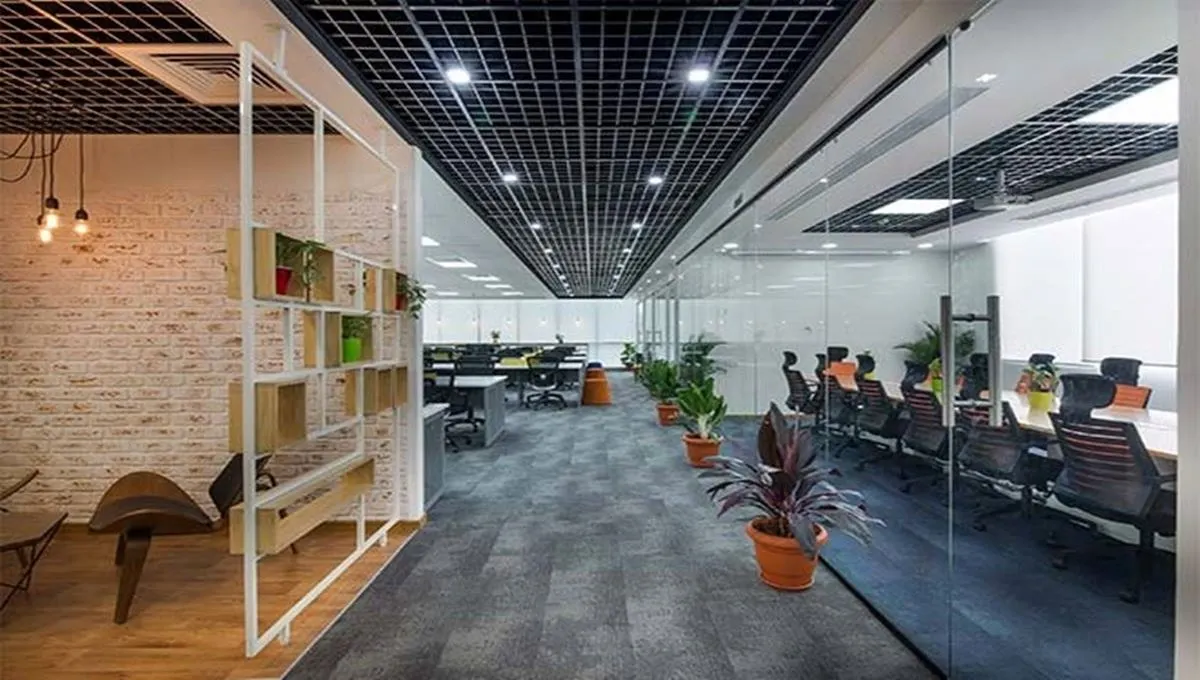

Startups in Tier 2 cities are reshaping India’s real estate and office space demand, and the main keyword startups Tier 2 cities real estate trend reflects a long running shift rather than a short news event. With rising talent availability, lower costs and improving infrastructure, office demand patterns are moving beyond metros into smaller but fast growing business hubs.
Why startups are choosing Tier 2 cities for expansion
Secondary keyword: emerging startup hubs India
The movement of startups into Tier 2 cities is driven by three primary factors. First, talent availability has expanded significantly outside metros as engineering and management graduates prefer working closer to home. Second, rental and operational costs in major cities have escalated, prompting founders to seek cost efficient alternatives. Third, infrastructure improvements such as upgraded airports, expressways and coworking centres have made smaller cities more business ready.
For early stage and growth stage startups, these factors reduce burn rate and extend runway, making Tier 2 locations increasingly attractive for primary or satellite operations.
How this shift is reshaping office space preferences
Secondary keyword: office demand smaller cities
Startups moving into Tier 2 cities prefer flexible office formats rather than large fixed leases. Coworking spaces, managed offices and hybrid models dominate demand because they allow founders to scale without heavy capital commitments.
Cities such as Indore, Coimbatore, Lucknow, Guwahati, Nagpur, Cochin and Jaipur are seeing rising occupancy in coworking centres. These facilities offer high speed internet, meeting rooms, private cabins and shared infrastructure suitable for early stage teams.
As a result, commercial landlords in these cities are redesigning properties to support agile offices instead of traditional long term layouts.
Impact of remote work and distributed team structures
Secondary keyword: hybrid teams Tier 2 India
Post pandemic work culture has accelerated distributed team models where companies place core functions in metros while shifting support, tech, design or operations teams to smaller cities.
This pattern increases demand for mid sized office spaces of 20 to 100 seats, a category not fully utilised earlier in non metro markets. Startups benefit through lower salaries, reduced attrition and a more stable workforce in Tier 2 locations.
Hybrid work also means that startups need satellite offices near talent clusters instead of concentrated headquarters, contributing to the rise in multi city office footprints.
Changing real estate economics in Tier 2 business corridors
Secondary keyword: commercial real estate Tier 2
The surge in startup activity is directly influencing commercial real estate pricing. While rents remain significantly lower than metros, absorption rates have increased, pushing developers to launch new commercial projects.
Local governments in these cities often support business districts with better zoning policies, faster building approvals and tax incentives. This speeds up commercial real estate development and makes the region more attractive to incoming companies.
In many Tier 2 hubs, business parks located near highways or airports are evolving into new commercial corridors, offering modern workspace without metro level premiums.
How startups benefit from local ecosystem advantages
Secondary keyword: startup ecosystem smaller cities
Unlike metros, where competition for talent and office space is intense, Tier 2 cities offer ecosystem advantages such as easier hiring, better work life balance for employees and stronger local networks.
Startups also find that retention is higher in smaller cities, reducing continuous hiring costs. Universities and local innovation centres partner with companies to offer training pipelines, creating consistent talent inflow.
This ecosystem effect not only strengthens operations but also encourages long term investments in physical office spaces and commercial leasing.
Sector wise trends driving office space demand
Secondary keyword: high growth sectors Tier 2
Several sectors are leading the demand for office real estate in smaller cities.
IT services and SaaS startups prefer Tier 2 hubs due to strong engineering talent.
Fintech and payment companies use these cities for backend and support operations.
D2C brands rely on smaller cities for logistics, warehousing and fulfilment.
Edtech and content startups base their sales and operations teams in Tier 2 markets due to cost efficiency and proximity to consumer segments.
These sector wise trends ensure that office demand remains diverse and stable rather than dependent on one industry.
Long term implications for India’s commercial market
The sustained shift of startups into Tier 2 cities indicates a deeper transformation in India’s commercial landscape. Metros will remain corporate headquarters, but smaller cities are emerging as operational and innovation hubs.
This dual city model reduces economic pressure on metros, creates more evenly distributed development and increases commercial real estate resilience.
Over the next few years, Tier 2 cities may attract larger enterprises as well, once startup ecosystems mature and talent pipelines deepen further.
Takeaways
Tier 2 cities are becoming major startup hubs due to lower costs and strong talent pools
Office demand is shifting toward coworking and flexible spaces suited for scaling teams
Hybrid work and distributed teams are driving multi city office footprints
Commercial real estate in smaller cities is expanding rapidly as demand rises
FAQ
Q. Why are startups moving to Tier 2 cities instead of metros?
A. Lower operational costs, better employee retention, strong talent availability and improved infrastructure make smaller cities strategic choices.
Q. What types of office spaces are startups choosing in these regions?
A. Coworking spaces, managed offices and flexible leases are preferred due to lower risk and quick scalability.
Q. Are Tier 2 cities ready with adequate commercial infrastructure?
A. Many have modern coworking hubs, business parks and upgraded connectivity, making them suitable for tech operations.
Q. Will this trend continue beyond 2025?
A. Yes. With hybrid work becoming standard and commercial costs rising in metros, Tier 2 office expansion will likely accelerate.