
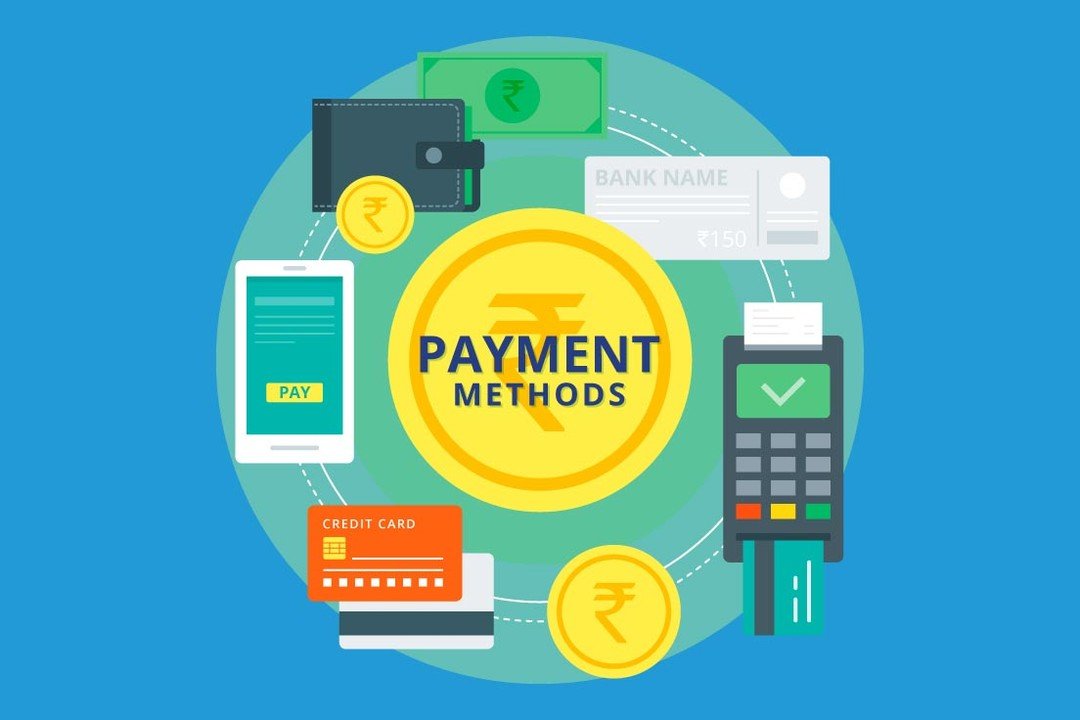

The rapid rise of SME digital payments in non metro India is reshaping the fintech landscape. The main keyword SME digital payment surge non metro India reflects a structural shift where small and mid sized businesses in Tier 2 and Tier 3 towns are adopting UPI, QR and wallet based payments at record speed, creating a powerful market for fintech startups.
The scale and speed of digital uptake among SMEs
Secondary keyword: SME payment growth Bharat
Small businesses in smaller cities are showing over 40 to 50 percent year on year growth in digital transactions across categories such as retail, food services, healthcare, travel and local services.
This acceleration is driven by better smartphone penetration, easier onboarding, micro merchant focused products and the rising comfort of customers who prefer QR based payments even for low value purchases.
For fintech startups, this surge indicates a large underserved user group that was once considered difficult to digitise. SMEs in non metro regions now form the fastest growing segment in India’s digital commerce ecosystem.
Why fintech startups cannot ignore smaller city SMEs
Secondary keyword: fintech opportunity Tier 2 India
Smaller city businesses represent high volume and high frequency transactions. Kirana stores, pharmacies, salons, coaching centres, hardware shops, eateries and local service providers process dozens to hundreds of daily transactions.
These merchants want fast settlement, easy reconciliation and low friction payment tools. Fintech startups that design products specifically for these needs can build strong retention and meaningful transaction value.
What makes this segment attractive is the low churn. Once a merchant trusts a provider’s QR, dashboard or settlement system, they rarely switch. This long term value is far higher than urban merchant acquisition where competition and switching are frequent.
Demand for value added services beyond payments
Secondary keyword: fintech merchant solutions India
As SMEs become more comfortable with digital payments, they begin demanding adjacent solutions:
Digital bookkeeping
GST billing
Credit scoring based on payment history
Inventory tools
Supplier payment automation
These value added services represent major revenue channels for fintechs. A payment relationship becomes the entry point into a full financial operating system for the merchant.
For example, many SMEs in Tier 2 and Tier 3 cities now use payment dashboards for daily settlement reports or apply for working capital loans backed by transaction data. This behaviour creates a scalable path for fintech startups to deepen engagement.
How digital payment behaviour leads to credit growth
Secondary keyword: SME credit fintech India
Access to loans for small businesses in non metro regions has traditionally been limited. Banks rely on collateral, paperwork and long processing cycles.
Fintech startups use digital payment trails to assess cash flow patterns. A steady volume of UPI payments or QR transactions becomes a proxy for sales health.
This shift opens credit access for small merchants who previously depended on informal borrowing. Instant credit, small ticket loans and invoice based financing become feasible.
The surge in digital payments therefore feeds directly into a much larger fintech opportunity: SME lending in Bharat.
Infrastructure improvements making adoption easier
Secondary keyword: digital infrastructure small cities
Better 4G coverage, affordable data plans and widespread smartphone usage have removed early barriers. Retailers and service providers can now accept payments reliably even in semi urban pockets.
Fintech startups also benefit from the national payments stack, which standardises onboarding and security. The ease of generating QR codes, verifying KYC and enabling settlements accelerates adoption dramatically in smaller cities.
This infrastructure foundation positions Tier 2 and Tier 3 markets as fintech ready zones rather than lagging regions.
Why non metro SMEs offer stronger long term stability
Secondary keyword: SME loyalty non metros
Merchant retention is higher in non metros because:
Customer footfall is stable and localised
Competition from large chains is still limited
Relationships matter more in local markets
Digital payment habits, once formed, become routine
This creates predictable transaction flows for fintechs and reduces acquisition costs. A fintech serving one neighbourhood shop can often onboard neighbouring shops organically through word of mouth.
Challenges fintechs must solve to win this segment
Secondary keyword: fintech challenges rural Bharat
Despite the surge, challenges remain:
Network inconsistency during peak hours
Low awareness of advanced financial tools
Hesitation among older merchants to trust digital data
Thin margins in some small businesses
Fintech startups must design products that work in low bandwidth zones, offer vernacular interfaces and build trust through simple onboarding and local support.
The road ahead for fintech in non metro India
The SME digital payment surge in smaller cities is not a temporary spike. It signals a behavioural transformation where digital becomes the default, not the exception.
Fintech startups that understand the rhythm of Bharat’s small merchants—high volume, low ticket, trust driven, mobile first—will be the ones shaping the next wave of financial inclusion and digital commerce growth.
Takeaways
SME digital payments in non metro India are rising fast, creating a massive fintech opportunity
Fintech startups gain from stable merchants, low churn and high transaction frequency
Digital trails unlock micro credit, billing tools and financial services for small businesses
Winning this market requires localised product design and trust building
FAQ
Q. Why are SMEs in smaller cities adopting digital payments so quickly?
A. Affordable smartphones, customer demand for UPI, easy onboarding and better network access all contribute to rapid adoption.
Q. What makes this surge important for fintech startups?
A. It offers a large, loyal and high frequency user base that supports long term monetisation through payments, credit and business tools.
Q. Do SMEs in Tier 2/3 cities trust fintech products?
A. Yes, especially when solutions are simple, reliable and vernacular friendly. Trust grows once they see fast settlement and clear reports.
Q. What fintech services have the highest potential in this segment?
A. Digital bookkeeping, small ticket credit, GST billing, supplier payments and inventory management linked to payment data.