
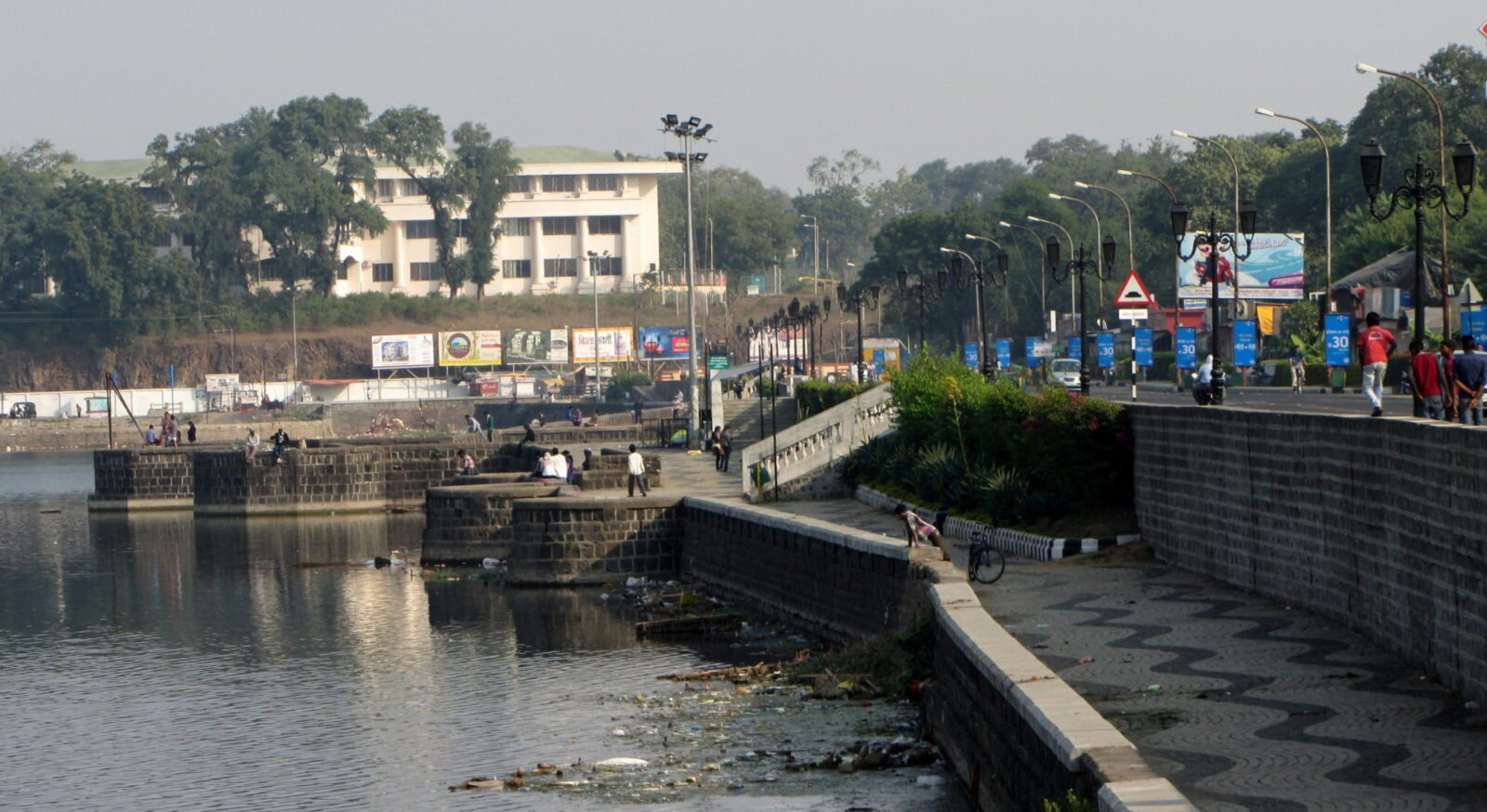

Water scarcity in Central India is becoming a serious urban challenge in 2026, with cities like Nagpur facing rising demand and inconsistent supply. Authorities are responding with infrastructure upgrades, recycling projects, and policy interventions to manage water stress.
Water scarcity in Central India has intensified in recent years due to irregular rainfall, population growth, and increasing urban consumption. Cities such as Nagpur are now adopting a mix of short-term and long-term strategies to address the growing gap between water demand and availability.
Why Water Scarcity Is Rising in Central India
Central India has traditionally depended on monsoon rainfall and surface water sources such as rivers, lakes, and reservoirs. However, changing rainfall patterns have reduced predictability, leading to uneven water availability.
Rapid urbanization is another major factor. As cities expand, demand for water increases across residential, industrial, and commercial sectors. In Nagpur, growing population and industrial activity have placed additional pressure on existing resources.
Groundwater depletion is also contributing to the crisis. Over-extraction for daily use and agriculture has reduced water levels, making it harder to sustain supply during dry periods.
These factors combined are creating a structural challenge rather than a seasonal issue.
Nagpur’s Water Supply System and Current Challenges
Nagpur relies on a combination of surface water sources, including reservoirs and river-based supply systems. The city has implemented a 24×7 water supply model in selected areas, which aims to provide continuous access to clean water.
However, maintaining consistent supply across all areas remains a challenge. Distribution losses, pipeline leakages, and uneven infrastructure create disparities between different parts of the city.
Seasonal shortages during summer months continue to affect certain localities. Tanker supply is often used as a backup, which increases costs for residents.
Managing demand while ensuring equitable distribution has become a key priority for local authorities.
Infrastructure Upgrades and Smart Water Management
To address water scarcity, Nagpur has invested in infrastructure improvements and smart water management systems. These include pipeline upgrades, leak detection technologies, and automated monitoring systems.
The city has also implemented metering systems to track water usage more accurately. This helps in reducing wastage and improving billing efficiency.
Smart city initiatives have introduced data-driven approaches to water management. Real-time monitoring allows authorities to respond quickly to supply disruptions and optimize distribution.
Such measures are gradually improving efficiency, though full coverage is still a work in progress.
Wastewater Recycling and Reuse Initiatives
One of the most significant steps taken by Nagpur is the use of treated wastewater for industrial purposes. The city supplies recycled water to thermal power plants, reducing the demand for fresh water.
This model is considered one of the more practical solutions for urban water management in India. By diverting non-potable water for industrial use, more freshwater can be reserved for domestic consumption.
Other cities in Central India are also exploring similar models to manage water scarcity.
Recycling and reuse are expected to play a larger role in the future as water demand continues to rise.
Policy Measures and Public Awareness Efforts
Government policies are increasingly focusing on sustainable water use. Rainwater harvesting has been made mandatory in many urban areas, including parts of Nagpur.
Awareness campaigns are encouraging residents to use water responsibly and adopt conservation practices. Simple measures such as fixing leaks, reducing wastage, and using efficient fixtures can have a cumulative impact.
Local authorities are also working with housing societies and commercial establishments to implement water-saving systems.
Public participation is essential for the success of these initiatives, as infrastructure alone cannot solve the problem.
Challenges That Still Need Attention
Despite ongoing efforts, several challenges remain. Infrastructure upgrades require significant investment and time. Not all areas benefit equally from current projects.
Climate variability continues to affect water availability, making long-term planning more complex.
Coordination between different agencies involved in water management can also slow down implementation.
Additionally, behavioral change among consumers is gradual, which limits the immediate impact of conservation measures.
Addressing these challenges will require sustained effort and policy consistency.
Future Outlook for Water Management in Central India
The future of water management in Central India will depend on a combination of technology, policy, and public cooperation. Cities like Nagpur are already experimenting with models that can be replicated elsewhere.
Investment in alternative water sources, improved storage systems, and efficient distribution networks will be critical.
Urban planning will also need to integrate water sustainability as a core component rather than an afterthought.
While the situation remains challenging, proactive measures are helping cities move toward more resilient water systems.
Takeaways
- Water scarcity in Central India is driven by climate, urban growth, and groundwater depletion
- Nagpur is using smart infrastructure and recycling to manage water demand
- Wastewater reuse is emerging as a practical long-term solution
- Public awareness and policy support are essential for sustainable water use
FAQ
Q1. Why is water scarcity increasing in Central India?
Irregular rainfall, urban expansion, and groundwater depletion are the main causes.
Q2. How is Nagpur addressing water shortages?
Through infrastructure upgrades, smart monitoring, and wastewater recycling initiatives.
Q3. What role does recycling play in water management?
Recycled water is used for industrial purposes, reducing pressure on freshwater resources.
Q4. Can residents help reduce water scarcity?
Yes, adopting conservation practices and reducing wastage can significantly contribute.