
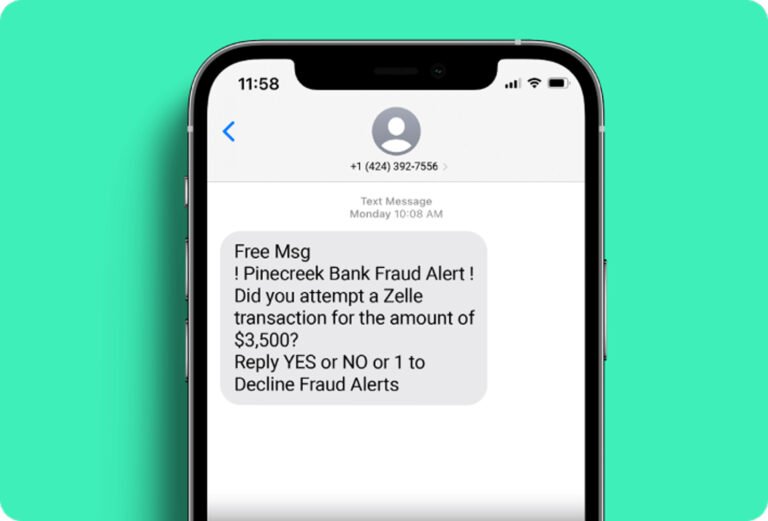

WhatsApp and Instagram phishing scams are increasing rapidly in India, targeting students, creators, business owners, and regular smartphone users. Cybercriminals are using fake links, impersonation messages, and account recovery tricks to steal passwords, banking access, and personal information from unsuspecting users.
Social media scams have become more sophisticated in 2026 due to the growing use of AI-generated messages, fake customer support accounts, and realistic phishing websites. Many victims lose access to their WhatsApp or Instagram accounts simply by clicking unknown links or sharing OTP codes without verification.
Cybersecurity experts and law enforcement agencies have repeatedly warned users about phishing attacks disguised as verification alerts, copyright notices, business collaboration offers, giveaway promotions, and fake login requests.
Since WhatsApp and Instagram are widely used for communication, business, and digital payments in India, securing these accounts has become increasingly important.
What Are Phishing Scams on WhatsApp and Instagram?
Phishing scams are fraudulent attempts to steal sensitive information such as passwords, OTPs, bank details, or account access by pretending to be trusted individuals or official platforms.
On WhatsApp, scammers often send fake messages claiming that a user’s account will be blocked unless they verify immediately through a suspicious link. Some attackers impersonate friends or relatives after hacking their accounts and request emergency money transfers.
Instagram phishing scams commonly involve fake copyright violation notices, blue tick verification offers, or messages claiming account suspension. Users are redirected to fake login pages that closely resemble Instagram’s official website.
Once victims enter their login credentials, attackers gain account access and may change passwords, lock out the original owner, or misuse the account for further scams.
In many cases, hacked Instagram accounts are later used to promote cryptocurrency fraud, fake investment schemes, or phishing links targeting followers.
Common Signs of WhatsApp and Instagram Fraud
Most phishing scams follow predictable patterns. Recognizing these warning signs early can prevent account theft and financial loss.
Messages creating urgency are one major red flag. Scammers often pressure users with statements such as “Your account will be deleted in 24 hours” or “Immediate verification required.”
Poor grammar, unusual website links, and unknown sender profiles are also common indicators. Official companies rarely ask users to submit passwords or OTPs through direct messages.
Another warning sign is fake customer support accounts. On Instagram especially, scammers create profiles that copy official logos and usernames to appear authentic.
Users should also be cautious of shortened links, random APK download files, and suspicious QR codes. Malware links can secretly install spyware or steal login sessions from smartphones.
Voice cloning and AI-generated profile photos are also becoming more common in social engineering scams. Attackers sometimes use edited voice notes or copied profile pictures to impersonate trusted contacts.
Best Security Settings to Enable Immediately
One of the most effective ways to secure WhatsApp and Instagram accounts is enabling two-factor authentication.
On WhatsApp, users can activate two-step verification through the privacy and account settings section. This adds an extra PIN layer beyond SMS OTP verification.
Instagram users should enable two-factor authentication using authentication apps or device-based verification instead of relying only on SMS codes.
Strong passwords are equally important. Many users still use simple passwords such as birth dates, names, or repeated number combinations. Cybersecurity experts recommend using unique passwords with a mix of letters, symbols, and numbers.
Users should also regularly check logged-in devices. Instagram allows users to review active login sessions and remove suspicious devices remotely.
Keeping apps updated is another important security practice because software updates often patch vulnerabilities that hackers exploit.
Public Wi-Fi networks should also be avoided while logging into sensitive accounts, especially during banking or payment-related activity.
How to Avoid Fake Links and Account Recovery Traps
Most phishing attacks succeed because users react emotionally without verifying information carefully.
Before clicking any link, users should inspect the website address properly. Fake domains often contain spelling variations, extra numbers, or unusual extensions that imitate official platforms.
For example, attackers may use misleading website names that look similar to legitimate Instagram or WhatsApp login pages.
Users should avoid downloading unknown files received through direct messages. Malware hidden inside APK files or compressed documents can compromise entire devices.
Another growing scam involves fake account recovery requests. Attackers may contact users pretending to help restore hacked accounts while secretly collecting passwords or OTPs.
If users receive suspicious warnings about their account status, they should directly open the official app instead of clicking links from messages or emails.
Cybersecurity experts also recommend avoiding public sharing of personal details such as mobile numbers, email addresses, and date of birth on open social profiles.
What to Do If Your Account Gets Hacked
Quick action is important if a WhatsApp or Instagram account is compromised.
Users should immediately attempt password resets through official recovery tools. If login access is still available, all unknown devices should be logged out instantly.
Friends and followers should also be informed quickly because hacked accounts are often used to spread scams further.
If financial fraud occurs, users should contact their bank and report unauthorized transactions immediately. Complaints related to cybercrime in India can also be submitted through the government cybercrime portal.
Changing passwords across linked accounts is equally important because many people reuse the same password on multiple platforms.
Experts advise enabling stronger authentication settings after account recovery to reduce future risks.
Key Takeaways
- Phishing scams on WhatsApp and Instagram are becoming more advanced in India
- Fake login links, OTP theft, and impersonation scams are the most common threats
- Two-factor authentication significantly improves account security
- Users should verify suspicious messages directly through official apps
FAQ
What is the most common WhatsApp phishing scam?
Fake account verification messages and OTP fraud are among the most common WhatsApp scams targeting Indian users.
Can Instagram accounts be hacked through fake links?
Yes, phishing websites can steal login credentials if users enter their username and password on fake pages.
Is two-factor authentication enough for protection?
It greatly improves security, but users must still avoid suspicious links, fake support accounts, and unknown downloads.
What should users do after getting hacked?
They should reset passwords immediately, remove suspicious devices, inform contacts, and report cybercrime if financial fraud occurs.