
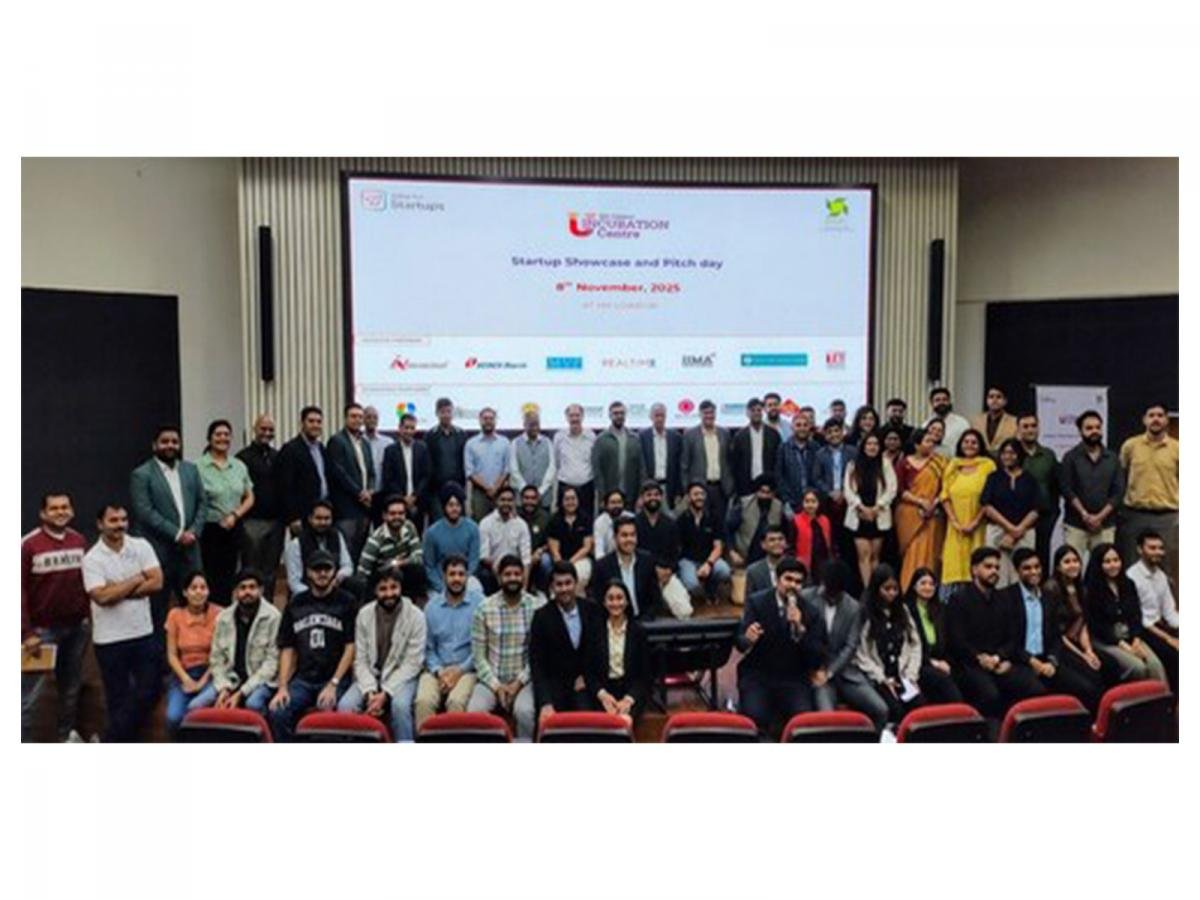

Building a startup outside India’s major metros is no longer a disadvantage. With better digital infrastructure, local incubators, and rising investor attention, founders in Tier 2 and Tier 3 cities are now proving they can scale fast. The recent Indian Institute of Management (IIM) Udaipur Startup Showcase offered a clear roadmap on how to create and pitch a startup effectively from smaller cities.
Why non metro founders are gaining traction
The startup ecosystem in India is no longer centered only in Bengaluru, Mumbai, or Delhi NCR. Nearly half of all new DPIIT-registered startups in 2024 originated from non metro regions. This shift is driven by improved connectivity, regional innovation hubs, and the lower cost of operations. IIM Udaipur’s Startup Showcase highlighted how local founders are using these advantages to compete nationally. Startups from cities such as Udaipur, Indore, and Nagpur showcased ideas in agri tech, logistics, and digital commerce that directly address rural and semi urban challenges.
Step 1: Identify local problems worth solving
Every strong pitch begins with a local insight. Non metro founders should focus on problems unique to their region: inefficient logistics networks, limited financial inclusion, or untapped tourism potential. IIM Udaipur mentors stressed that investors today value startups solving real Bharat problems over generic tech concepts. For instance, one shortlisted startup built a predictive model for rural cold chain management using low cost sensors, a solution relevant to Rajasthan’s agri supply chain. This kind of problem specific thinking creates authenticity and market fit.
Step 2: Build lean prototypes using local resources
The advantage of smaller cities is cost efficiency. Office rents, developer salaries, and operational expenses are lower, allowing founders to stretch early funds. Startups at the showcase used student talent from local engineering colleges and design schools to build prototypes at one third the metro cost. Founders were advised to focus on Minimum Viable Products (MVPs) that demonstrate the core value proposition rather than polished aesthetics. Early validation through pilot users or local SMEs builds confidence before approaching investors.
Step 3: Leverage incubators and university networks
Incubation centers like IIM Udaipur’s Innovation and Incubation Centre (IIMUIC) and other regional hubs such as Atal Innovation Missions provide mentorship, workspace, and access to grants. Founders in Tier 2 cities often overlook these opportunities due to lack of awareness. Joining such programs helps startups refine business models, access seed capital, and connect with angel networks. The IIM Udaipur event emphasized that startups nurtured in structured incubation programs are more likely to raise follow on funding and survive beyond the first two years.
Step 4: Craft a strong and structured pitch deck
Investors attending the Udaipur showcase repeatedly mentioned that clarity and data backed storytelling matter more than flashy design. A winning pitch deck should include five essentials: the problem, your solution, market potential, traction, and monetization plan. Non metro founders often skip data validation, which weakens credibility. Using local surveys, pilot metrics, or user testimonials adds authenticity. Founders should also include realistic funding requirements with a clear 12 to 18 month roadmap. Short, confident pitches between six to eight minutes performed best at the event.
Step 5: Build investor trust through transparency
Smaller city startups sometimes face perception bias about execution capability. Overcoming this requires transparency. Regular investor updates, measurable milestones, and disciplined reporting build long term credibility. IIM Udaipur mentors suggested keeping a clear founder agreement, clean cap table, and proper compliance from day one. Founders who demonstrated clear accounting and regulatory discipline attracted higher investor interest.
Step 6: Network beyond your city
While local incubation is a strong start, scaling requires broader visibility. Non metro founders should actively participate in national startup summits, accelerator programs, and pitch competitions. Many successful startups use hybrid networking strategies: maintaining headquarters in smaller cities for cost advantage while having a liaison office in a metro for investor relations. Digital tools such as LinkedIn outreach and virtual pitch events now make it easy to access investors without relocation.
Step 7: Scale sustainably with realistic metrics
Rapid growth without operational stability can hurt early stage ventures. The Udaipur showcase stressed sustainable scaling: prioritizing profitability and local employment before expansion. Investors favored founders with clear unit economics and realistic growth targets rather than overambitious projections. Using low cost marketing such as regional influencer campaigns or partnerships with local cooperatives proved more effective than expensive metro style campaigns.
Takeaways
• Founders in Tier 2 cities should solve local problems using cost efficient models.
• Leverage incubators like IIM Udaipur’s to refine business models and gain investor access.
• Build data driven pitch decks that highlight real traction and transparency.
• Focus on sustainable scaling and local partnerships before expanding nationally.
FAQs
Q1. Do investors prefer startups from metros over non metro cities?
No. Investors are increasingly funding regional startups that demonstrate strong market validation and clear financial discipline. Many VCs now have specific Bharat focused funds for Tier 2 and Tier 3 ecosystems.
Q2. How can a Tier 2 founder approach investors without connections?
Join recognized incubation programs, participate in startup showcases, and engage on professional platforms. Quality pitch decks and verifiable traction often open doors even without personal networks.
Q3. What is the minimum investment stage for such startups?
Most non metro startups begin with seed or pre series A funding ranging from Rs 25 lakh to Rs 2 crore, depending on the sector and market readiness.
Q4. What makes a pitch from smaller cities stand out?
Authenticity, data backed problem solving, and grounded execution plans stand out. Investors appreciate when founders understand both the regional consumer and operational realities of Tier 2 India.